Prague in December 2026: Weather, Christmas Markets, and What to Expect
Beyond the fairy-tale markets: a complete month guide covering weather, crowds, costs, and everything December Prague actually looks like
Powered by ITINE
Get this guide as a tappable itinerary
Day-by-day plan, audio tours, and one-tap Google Maps — completely free.
Destinations
Your Itinerary
Google Maps
December in Prague is a city split in two. On one side: the postcard version, all golden lights, mulled wine steam rising against Gothic spires, the Astronomical Clock ticking through its hourly show to an audience wrapped in wool and wonder. On the other side: sub-zero mornings, four o'clock darkness, cobblestones that become ice rinks, and crowds so thick around Old Town Square that forward motion becomes a negotiation. Both versions are true. Both happen simultaneously. The trick is knowing how to find the magic while dodging the misery.
This guide covers the full reality of December in Prague -- the weather you will actually experience (not the Instagram version), what the Christmas markets deliver and where they disappoint, how New Year's Eve works in this city, and crucially, what to do when the cold drives you indoors. If you are looking specifically for a deep dive into every market, stall by stall, see our dedicated Prague Christmas Markets guide. This article is broader: it is about what December as a whole feels like in this city, and how to plan around it.
What Does Prague Weather Actually Look Like in December?
Let us start with the numbers. December in Prague averages a high of 3-4°C (37-39°F) and a low of -2 to 0°C (28-32°F). Those are averages. In practice, you might get a week of -8°C mornings followed by a mild spell at 6°C. Snowfall is possible but unreliable -- some Decembers are a grey, damp 3°C slog with no snow at all, while others deliver a picture-perfect dusting that transforms the rooftops. Do not plan your trip around snow. If it comes, consider it a bonus.
Daylight is the bigger adjustment. On December 1st, the sun rises around 7:25 AM and sets at 4:00 PM, giving you roughly 8.5 hours of daylight. By the winter solstice on December 21st, that shrinks to sunrise at 7:57 AM and sunset at 3:59 PM -- barely 8 hours. The golden hour arrives early, often around 3:00 PM, which is actually a gift for photographers but demands that you front-load your outdoor activities. By 4:30 PM the city is dark, and by 5:00 PM it feels like deep evening.
What Should You Pack for December in Prague?
Prague in December demands proper winter gear. This is not a mild Mediterranean winter -- this is Central European cold that settles into your bones if you are not prepared. Cobblestones amplify the chill because you are constantly on stone and there is no grass or earth to insulate from below. Your feet will get cold first.
- A proper winter coat rated for below-zero temperatures -- puffy down jackets work, wool overcoats work, a trench coat does not
- Thermal base layers (merino wool is ideal) for both top and bottom on the coldest days
- Waterproof, insulated boots with grip -- cobblestones become treacherous when wet or icy, and you will walk 15,000+ steps daily
- A warm hat, insulated gloves, and a thick scarf or buff -- exposed ears and fingers will punish you within fifteen minutes at -5°C
- Thin glove liners if you want to use your phone for photos without removing your gloves entirely
- Hand warmers (reusable or disposable) for market evenings -- your hands will go numb holding a cup of svarak while standing still
- Layers you can shed: heated interiors in Prague are tropical, often 24-25°C, and you will be peeling off sweaters the moment you step into any restaurant, museum, or tram
- A compact umbrella for the grey drizzle days that outnumber the snowy ones
How Crowded Is Prague in December?
December is, paradoxically, both one of Prague's busiest and quietest months -- it depends entirely on where you are. The Christmas market zone (Old Town Square, Wenceslas Square, and the connecting streets) is absolutely heaving from late November through December 26. On Saturday afternoons in mid-December, Old Town Square reaches a crowd density that makes movement difficult and photography nearly impossible. Wenceslas Square is slightly better but still packed. The market at Namesti Miru in Vinohrady is busy but manageable.
But step two blocks away from the market perimeter and you will find a completely different city. Mala Strana in December is quieter than any month except January or February. Vysehrad is practically deserted. Zizkov and Vinohrady (beyond the market squares) feel like a local neighborhood rather than a tourist destination. Even Prague Castle, which is mobbed in summer, is significantly calmer in December mornings. The crowds are intense but geographically concentrated. Use that to your advantage.
What Do the Christmas Markets Actually Offer?
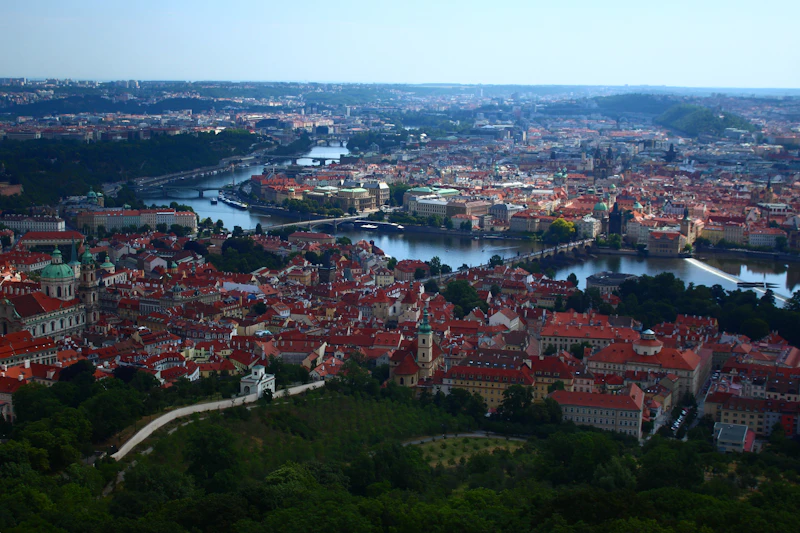
We have a complete Prague Christmas Markets guide that covers every market in detail. Here is the condensed version for your December planning. The three main markets are Old Town Square (the flagship, most crowded, most expensive, most photogenic), Wenceslas Square (longer, more linear, slightly cheaper, less atmospheric), and Namesti Miru in Vinohrady (smallest, most authentic, only open Advent weekends). Smaller markets appear at Prague Castle courtyards, Kampa Island, Namesti Republiky, and Andel in Smichov.
The markets typically open in late November and run through January 6. Daily hours are roughly 10:00 AM to 10:00 PM, with food stalls sometimes staying open until 11:00 PM. The tree-lighting ceremony at Old Town Square -- usually the last Saturday of November -- is the unofficial start of the season, and the square is standing-room-only that evening.
What Is Svarak and Why Does Everyone Talk About It?
Svarak (svařak) is Czech mulled wine, and it is the lifeblood of December Prague. Every market stall sells it, every pub offers a version, and by your second day you will be ordering it reflexively. The standard recipe is red wine heated with cinnamon, cloves, star anise, orange peel, and sugar. Quality varies wildly. The worst stalls serve a thin, overly sweet version that tastes like cough syrup with alcohol. The best serve a rich, complex drink that genuinely warms you from the stomach outward.
At the main markets, svarak costs 80-120 CZK (EUR 3.20-4.80) per cup. You pay a deposit of 50 CZK (EUR 2) for the ceramic mug, which you can return for a refund or keep as a souvenir. Each year's mug has a different design, and collecting them has become a tradition for repeat visitors. Some stalls also offer medovina (hot mead), which is sweeter and stronger, or grog (rum, hot water, lemon) for those who prefer something with more kick. Non-alcoholic options include hot apple cider (horky jablecny mošt) and hot chocolate.
What Holiday Food Should You Try Beyond Trdelnik?
Trdelnik -- the spiral pastry cooked on a rotisserie that dominates every market stall -- is the most visible food in December Prague. It is also not traditionally Czech (it is Slovak-Hungarian in origin, and most Praguers consider it a tourist invention). That said, a freshly made trdelnik rolled in cinnamon sugar and eaten warm on a cold evening is genuinely good. Just do not mistake it for an authentic Czech Christmas tradition.
The real Czech Christmas foods are worth seeking out. Klobasa (grilled sausage) is the market staple -- look for stalls that grill to order rather than keeping pre-cooked sausages on a warm plate. Langoš is a deep-fried flatbread topped with garlic, cheese, and sour cream -- heavy, greasy, and perfect at -3°C. Bramborak is a Czech potato pancake, crispy and seasoned with marjoram and garlic. At sit-down restaurants, look for bramborova polevka (potato soup) and kapr na cerno (carp in dark sauce), the traditional Czech Christmas Eve dinner.
Where Can You Go Ice Skating in Prague?
Several outdoor ice rinks operate in December, and they are a wonderful way to break up the market-and-sightseeing routine. The most scenic is the rink at Ovocny trh (Fruit Market) near the Estates Theatre, which operates from late November through February. It is small, charmingly lit, and surrounded by baroque architecture. Skate rental costs around 100 CZK (EUR 4) per session. The rink at Na Frantisku near the river is larger and slightly less crowded.
For a full ice-skating experience, Štvanice Island has a regulation-size outdoor rink that is popular with locals and open into the evening. It is a tram ride from the center (take tram 8 or 14 to Štvanice) but well worth the trip if skating is your thing. Admission is around 80-120 CZK (EUR 3.20-4.80) with skate rental available. On weekday mornings, you may have the ice nearly to yourself.
Ovocny trh Ice Rink
Ice SkatingOvocny trh, Prague 1 (near Estates Theatre)
Insider tip: Weekday mornings and late evenings on weekdays are the quietest times. The rink is small -- arrive early on weekends or expect to queue.
How Does New Year's Eve Work in Prague?
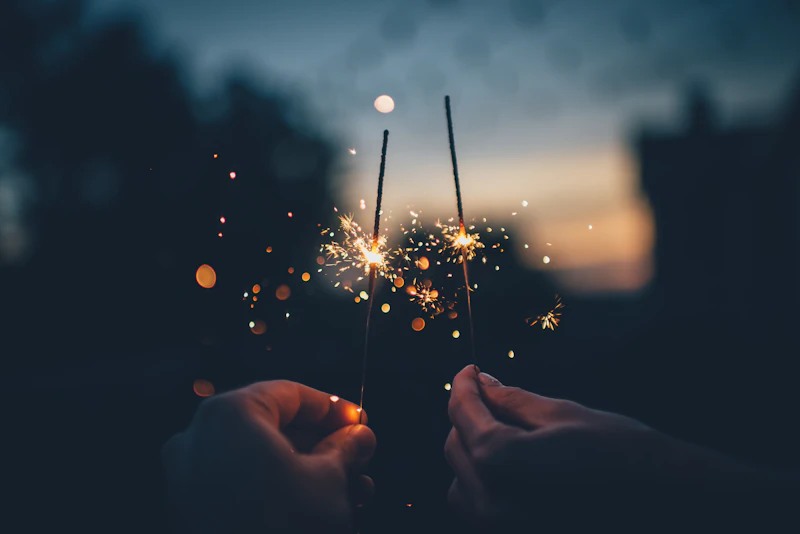
Prague's New Year's Eve is a massive, slightly chaotic, free-for-all celebration. There is no single organized city fireworks show (the way London or Sydney does it). Instead, individuals and businesses set off their own fireworks from every rooftop, bridge, and open space across the city. The result is a 360-degree, forty-minute barrage of explosions that starts a few minutes before midnight and continues well past 12:30 AM. It is spectacular, deafening, and completely unregulated -- which means fireworks fly at eye level, and the smoke eventually becomes thick enough to obscure buildings.
Old Town Square is the gravitational center. Tens of thousands of people pack in, and the atmosphere is electric but physically uncomfortable. Expect to be unable to move, unable to find a bathroom, and unable to leave easily until the crowd thins around 1:00 AM. Champagne bottles pop, fireworks scream overhead, and the energy is undeniably exciting -- but this is not a refined evening. It is a street party in the rawest sense.
For dining, most upscale restaurants offer fixed-price NYE menus ranging from 1,500-5,000 CZK (EUR 60-200) per person. These typically include a multi-course dinner, a glass of champagne at midnight, and sometimes live music. Book by early November at the latest -- popular venues sell out months ahead. For a budget option, buy a bottle of something at a Potraviny (grocery shop), grab food from a market stall, and find a spot along the river. Many locals do exactly this.
How Much Do Hotels Cost in December?
December hotel prices follow a curve that mirrors the crowd calendar. Early December (week one, Monday through Thursday) is the cheapest part of the month -- you can find good three-star hotels in Vinohrady or Zizkov for 1,800-2,800 CZK (EUR 72-112) per night, and even Old Town properties drop to 3,000-4,500 CZK (EUR 120-180). The first two weekends are moderately more expensive, typically 20-30% above weekday rates.
The price spike hits December 20-26. Christmas week hotel rates in Prague 1 jump to 4,500-8,000 CZK (EUR 180-320) per night for mid-range properties, and luxury hotels push past 12,000 CZK (EUR 480). The second spike arrives for New Year's Eve week: December 29-January 1 commands the highest rates of the entire year, with some hotels doubling their standard December prices and imposing minimum-stay requirements of 2-3 nights.
What Special Events Happen in December Beyond Markets?
Prague's December cultural calendar is rich, extending well beyond the markets. The National Theatre (Narodni divadlo) and the State Opera run their full winter repertoire, including traditional Czech Christmas performances. The Laterna Magika -- Prague's legendary multimedia theatre -- is an especially good December choice, as it requires no Czech language ability and the visual spectacle suits the festive mood. Tickets run 500-1,500 CZK (EUR 20-60) depending on the seat.
Church concerts multiply in December. Classical ensembles perform Vivaldi, Mozart, and Dvorak in gorgeous baroque settings nearly every evening. St. Nicholas Church in Mala Strana, the Klementinum's Mirror Chapel, and the Church of St. Simon and Jude are among the most atmospheric venues. Quality varies -- some are world-class musicians, others are tourist-oriented ensembles that coast on the setting. Check reviews before booking. Expect to pay 400-900 CZK (EUR 16-36) per ticket.
- December 5 -- Mikulas (St. Nicholas Day): trios of St. Nicholas, an angel, and a devil roam the streets and visit children. One of the most uniquely Czech traditions -- the devil figure genuinely terrifies young children, and adults find it hilarious. The procession on Old Town Square around 5:00 PM is the biggest
- December 6 -- Christmas tree lighting ceremonies at various neighborhood squares throughout Prague 2-10
- December 13-16 -- Advent concerts at St. Vitus Cathedral inside Prague Castle: free organ performances in the largest church in the Czech Republic
- December 21 -- Winter Solstice: the shortest day, but many yoga studios and cultural centers hold solstice events and candle-lit gatherings
- December 24 -- Stedry den (Generous Day): Czech Christmas Eve. Most restaurants close by 2:00 PM. The traditional dinner is fried carp with potato salad -- carp vendors set up live fish tanks across the city in the days before
- December 26 -- Sv. Stepan (St. Stephen's Day): a public holiday. Many Praguers take this day for family visits; the city is very quiet
- December 31 -- New Year's Eve: see the dedicated section above
What Indoor Activities Work Best When It Is Too Cold Outside?
You will need indoor escapes in December. Even the most cold-tolerant visitor will hit a wall after three hours of outdoor sightseeing at -5°C. Fortunately, Prague's indoor offerings are strong enough to fill an entire trip without stepping outside. The National Gallery's collections at the Trade Fair Palace (modern and contemporary art) and Sternberg Palace (Old Masters) are world-class and relatively uncrowded in December. The Museum of Decorative Arts near the Jewish Quarter is small but excellent. The Jewish Museum complex -- including the haunting Old Jewish Cemetery and the Spanish Synagogue -- is essential viewing in any season but especially powerful in the quiet of winter.
Prague's cafe culture comes into its own in December. Spend a mid-afternoon at Cafe Louvre (Narodni 22), where Einstein and Kafka once sat, nursing a hot chocolate while the cold darkens the windows. Cafe Savoy (Vitezna 5) in Mala Strana serves arguably the city's best cakes in an ornate neo-Renaissance interior. Kavarna Obecni dum in the Municipal House is pure Art Nouveau indulgence -- the setting alone justifies the slightly elevated prices.
- Beer spa experiences: Spa Beerland and Beer Spa Bernard let you soak in a wooden tub filled with warm beer ingredients while drinking unlimited beer. Kitschy, touristy, and surprisingly enjoyable. Around 1,300-1,800 CZK (EUR 52-72) per person
- DOX Centre for Contemporary Art in Holesovice: fascinating temporary exhibitions in a converted factory space
- Naprstek Museum: a quirky ethnographic museum focused on non-European cultures, tucked near Bethlehem Chapel
- Signal Festival installations (early December if dates overlap): indoor light art at various venues
- Czech beer tasting: BeerGeek Bar, Zlý Časy, or Kulový blesk in Zizkov -- perfect for an educational afternoon of sampling Bohemian craft beer out of the cold
- Cooking class: learn to make svickova, knedliky, or traditional Christmas cookies (vanocni cukrovi) at Prague Cooking Class or Chefparade
Are Day Trips Worth It in December?
Day trips in December demand careful consideration. The short daylight hours mean you leave Prague in the dark and return in the dark, with only 7-8 hours of usable light at your destination. Some trips are enhanced by winter; others are diminished. Here is an honest assessment.
Kutna Hora works well in December. The Bone Church (Sedlec Ossuary) is an indoor attraction, the Cathedral of St. Barbara is magnificent in winter light, and the town runs a small but charming Christmas market. The train takes one hour each way. Karlstejn Castle is beautiful in snow but the interior is closed for tours from November through March (exterior and grounds only). Cesky Krumlov has its own Christmas market and looks magical in winter, but the 2.5-hour drive each way eats into your daylight. It works best as an overnight trip in December.
How Do You Photograph Prague in December Light?
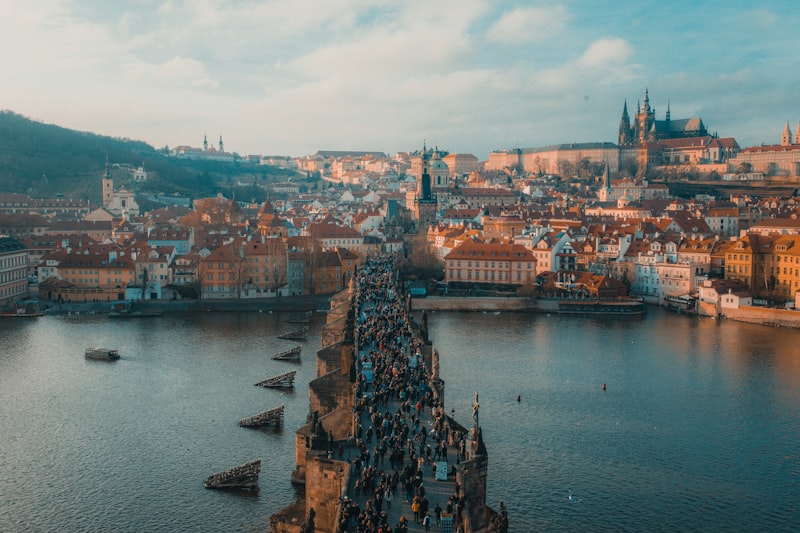
December light in Prague is extraordinary for photography -- if you know how to work with it. The sun never climbs higher than about 15 degrees above the horizon, which means the entire day is effectively golden hour. The light rakes across building facades at dramatic angles, casting long shadows and illuminating textures that are invisible in summer's overhead glare. Morning light (9:00-10:00 AM) is cool and blue, excellent for moody shots of fog on the Vltava. Afternoon light (2:00-3:30 PM) is warm gold, perfect for Charles Bridge and the Old Town rooftops. The blue hour after sunset (4:00-4:45 PM) is prime time for the Christmas market glow.
- Letna terrace at 2:30 PM: the entire Old Town skyline in warm side-light, with the Vltava reflecting the sky -- arguably the single best viewpoint in Prague at any time of year
- Charles Bridge at 7:30 AM: near-empty in December, the gas lamps may still be lit, and the mist from the river creates atmosphere that summer visitors never see
- Old Town Square market after 9:00 PM: the crowds thin, the stalls glow amber, and you can finally photograph the tree without a hundred heads in frame
- Prague Castle from the Manes Bridge at 3:00 PM: the castle catches the last direct sunlight while the lower city falls into shadow
- Narrow lanes of Mala Strana after fresh snow: the combination of snow, gas lamps, and baroque architecture is genuinely fairy-tale material -- but you need to be there within hours of the snowfall before it turns to slush
- Vysehrad cemetery at 3:00 PM: autumn leaves may still cling to the trees in early December, combining with the low sun for extraordinary compositions around the Art Nouveau graves
How Does Prague's Public Transport Work in December?
Prague's public transport operates on a winter schedule in December, which means slightly reduced frequency on some tram and bus lines (especially on December 24-26 and January 1, which run on holiday schedules). The metro runs normally throughout. The good news: the metro, trams, and buses are heated, and in December they become a practical warming strategy as much as a transport system. A 24-hour pass costs 120 CZK (EUR 4.80) and a 72-hour pass is 330 CZK (EUR 13.20). For detailed transport information, see our getting around Prague guide.
Trams are especially useful in December because they drop you closer to attractions than the metro, reducing your walking time in the cold. Tram 22 (the 'tourist tram') runs from the center up to Prague Castle and through Mala Strana. The Christmas tram (a vintage tram decorated with lights) runs on select December weekends -- check the DPP (Prague Public Transit) website for the exact schedule. It is free to ride and loops through the center, though expect queues to board.
What Are the Best Neighborhoods to Base Yourself in December?
Location matters more in December than in warmer months because walking long distances in the cold is genuinely unpleasant. Staying within walking distance of the Christmas markets (Old Town, Josefov, or northern Nova Mesto) means you can pop back to your hotel to warm up between outings -- a luxury that becomes genuinely important after day two.
For value, Vinohrady is the sweet spot: 10-15 minutes by tram from Old Town Square, significantly cheaper hotels, excellent restaurants and cafes, and the Namesti Miru market on your doorstep. Zizkov is even cheaper but requires a slightly longer commute. Mala Strana is gorgeous in December and close to Prague Castle, but hotel options are more limited and pricier. Stare Mesto (Old Town) puts you at the center of everything but at premium prices, and you will hear market noise until 11:00 PM from most rooms near the square.
A Suggested 3-Day December Itinerary
Day 1: Markets, Old Town, and First Impressions
Morning: Arrive and walk through Old Town Square market while crowds are thin (before 11:00 AM). See the Astronomical Clock, duck into Tyn Church. Grab a coffee at a cafe on Dlouha street. Afternoon: Walk to Wenceslas Square market, then explore the National Museum (recently renovated, excellent). By 3:30 PM, golden hour transforms the city -- photograph from Letna terrace. Evening: Return to Old Town Square market after dark for the full lit-up experience. Dinner at a restaurant in Josefov, away from the market crush.
Day 2: Castle, Mala Strana, and Culture
Morning: Take tram 22 up to Prague Castle. Visit St. Vitus Cathedral, the Old Royal Palace, and Golden Lane. The castle courtyard Christmas market is worth a quick browse. Descend through the castle gardens (if open) or walk down Nerudova street. Afternoon: Explore Mala Strana -- Lennon Wall, Kampa Island, Church of St. Nicholas. Warm up at Cafe Savoy. Evening: Attend a classical concert at a church venue, or see a performance at the National Theatre.
Day 3: Vyšehrad, Local Neighborhoods, and a Farewell Market Visit
Morning: Visit Vysehrad fortress -- the views over the Vltava are stunning in winter light, and the cemetery is hauntingly beautiful. Warm up at the Vysehrad casemates (underground tunnels). Afternoon: Head to Vinohrady for lunch at a local restaurant, then browse the Namesti Miru market (if it is an Advent weekend). Walk through Riegrovy sady park for city views. Evening: Final market visit -- return to whichever market you loved most. Splurge on a farewell svarak and watch the lights from a quiet corner.
Practical Tips for Surviving (and Enjoying) December Prague
- Warm up strategically: ducking into a museum, cafe, or shopping mall for 20-30 minutes every 2 hours prevents the slow creep of cold that eventually ruins your afternoon
- Eat a hot lunch: a warm bowl of kulajda (creamy dill soup) or bramborova polevka (potato soup) at a proper restaurant does more for your energy and warmth than any amount of market snacking
- Use the metro for warming up: riding a few stops underground in a heated car is a legitimate warming strategy when you are between attractions
- Carry cash: most market stalls accept only cash in Czech crowns. ATMs are everywhere, but the market stalls near Old Town Square often have queues at the nearest ATMs by evening
- Learn two words: 'svarak prosim' (mulled wine please) -- you will use this phrase forty times
- Avoid the currency exchange shops on the street: they offer predatory rates. Use ATMs from major banks (Ceska Sporitelna, CSOB, Komercni Banka) instead
- Book restaurants for December 24 and 31 weeks in advance: Christmas Eve and NYE are extremely limited, and many restaurants close entirely on the 24th
- Download the PID Litacka app for real-time tram and metro schedules and mobile ticket purchasing
There is no such thing as bad weather in Prague in December, only insufficient layering and an empty cup where svarak should be.
Is December the Right Month for Your Prague Trip?
December is perfect for you if: you love Christmas markets and festive atmosphere, you do not mind cold weather, you want to combine cultural sightseeing with seasonal events, you are willing to pay peak-season prices (especially around Christmas and NYE), or you have always wanted to see a European capital in full winter regalia. The city genuinely delivers on the fairy-tale promise -- just not without effort, warm clothing, and realistic expectations about crowds and daylight.
December is not ideal if: you hate crowds in tourist zones, you are primarily interested in outdoor activities and walking tours, you are on a tight budget (consider November or January instead), or cold weather makes you miserable. Prague in January or late February offers a similar winter atmosphere with dramatically fewer tourists and 30-50% lower prices -- you just lose the markets. For a broader comparison of every season, see our Prague seasonal guide.
Frequently Asked Questions
Sometimes, but it is not guaranteed. Prague averages 3-5 days with snowfall in December, but many years see only brief flurries that do not stick. Significant snow cover (the kind that blankets rooftops and makes the city look like a Christmas card) happens perhaps one December in three. Temperatures hover around freezing, so snow often melts within hours. Do not plan your trip around snow -- enjoy it as a bonus if it arrives.
Average highs are 3-4°C (37-39°F) and average lows are -2 to 0°C (28-32°F). However, cold snaps can push temperatures to -10°C (14°F) or lower, especially in late December. Wind chill along the Vltava and on exposed bridges makes it feel significantly colder. Pack for -5°C as your baseline and you will be prepared for most conditions.
The main markets (Old Town Square, Wenceslas Square) typically open in late November and run through January 6. Namesti Miru operates only during the first three Advent weekends. Smaller markets have varying dates. Daily hours are generally 10:00 AM to 10:00 PM, with food stalls sometimes open until 11:00 PM. Markets close early on December 24 and may have reduced hours December 25-26.
The Christmas market areas (Old Town Square, Wenceslas Square) are extremely crowded from mid-December through the 26th, especially on weekends. The rest of the city is significantly quieter than summer. Early December weekdays offer the best balance: markets are open and decorated but crowds are manageable.
A mid-range couple can budget approximately 5,000-8,000 CZK (EUR 200-320) per day including hotel, meals, transport, and activities. Early December weekdays are cheapest. Christmas week and NYE week are the most expensive, with hotel prices rising 50-100% above early December rates. Budget travelers staying in hostels or Vinohrady/Zizkov apartments can manage on 3,000-4,000 CZK (EUR 120-160) per day.
A warm winter coat, thermal base layers, insulated waterproof boots with good grip (cobblestones get icy), a warm hat, insulated gloves, and a thick scarf. Layers are essential because interiors are heavily heated. Thin glove liners help with phone use. Hand warmers are a lifesaver for evening market visits.
Yes, but with caveats. The compact center means most attractions are within 20-30 minutes' walk of each other, but sub-zero temperatures and icy cobblestones make long walks exhausting. Plan for shorter outdoor stretches (45-90 minutes) broken up by warm indoor stops. Trams are an excellent alternative for covering distance without freezing.
Letna terrace (above Cechuv Most) is the best spot: panoramic views over the city with fireworks erupting from every direction. Vysehrad fortress is another excellent option with fewer crowds. River cruise boats offer a moving perspective but must be booked well in advance (2,000-4,000 CZK per person). Old Town Square is the most exciting but the most crushingly crowded.
Most restaurants close by early afternoon on December 24 (Stedry den). A small number of hotel restaurants and tourist-oriented establishments remain open for dinner, but options are very limited and reservations are essential. If your hotel does not include dinner, buy supplies on December 23 or eat an early lunch on the 24th. December 25 is slightly better, with more restaurants reopening for lunch service.
Svarak (svařak) is Czech mulled wine made with red wine, cinnamon, cloves, star anise, orange peel, and sugar. It is the signature drink of December Prague. Market prices range from 80-120 CZK (EUR 3.20-4.80) per cup, plus a 50 CZK mug deposit (refundable or keep the mug as a souvenir). Quality varies wildly between stalls -- avoid the ones with the longest queues, as they often serve the most generic version.
Yes, but plan carefully around the short daylight hours (roughly 8 AM to 4 PM). Kutna Hora is the best December day trip: one hour by train, mostly indoor attractions, and a small Christmas market. Cesky Krumlov has a lovely Christmas market but the 2.5-hour drive each way eats into your light -- consider an overnight instead. Karlstejn Castle grounds are scenic in winter but interior tours are closed November through March.
About 8 to 8.5 hours. Sunrise ranges from 7:25 AM (December 1) to 7:57 AM (December 21), and sunset from 4:00 PM to 3:59 PM. Effective photography and sightseeing light extends from roughly 8:30 AM to 4:30 PM. Plan accordingly -- front-load outdoor activities and save indoor attractions for the dark hours.
Yes, with managed expectations. Old Town Square's market is genuinely one of the most beautiful Christmas market settings in Europe. The food is decent (not extraordinary), the crafts are a mix of handmade and mass-produced, and the atmosphere after dark is truly magical. Visit before 11 AM or after 9 PM to avoid the worst crowds. For a more authentic experience, prioritize the Namesti Miru market in Vinohrady on Advent weekends.
The first full week (approximately December 1-10) offers the ideal combination: Christmas markets are fully operational, decorations and lights are up, but crowds and hotel prices are significantly lower than mid-to-late December. Avoid December 20-26 unless you specifically want the peak Christmas experience and are willing to pay for it.
Most market stalls accept only cash in Czech crowns (CZK). Some larger stalls now take card payments, but do not count on it. Withdraw CZK from ATMs operated by major banks (Ceska Sporitelna, CSOB, Komercni Banka) and avoid the independent exchange offices on tourist streets, which charge predatory rates. Budget 500-800 CZK (EUR 20-32) in cash per market visit for food and drinks.
At the markets: klobasa (grilled sausage), langos (fried flatbread with garlic and cheese), bramborak (potato pancake), and trdelnik (chimney cake). At restaurants: bramborova polevka (potato soup), rybi polevka (fish soup, traditional on Christmas Eve), kapr na cerno (carp in dark sauce), and vanocka (braided Christmas bread). Ask your hotel or restaurant about vanocni cukrovi -- the tradition of baking dozens of varieties of tiny Christmas cookies.
Very safe. Prague is one of the safest capitals in Europe. The main December-specific risks are pickpockets in crowded market areas (keep valuables in front pockets or a cross-body bag), icy cobblestones causing slips (wear proper boots), and the cold itself if you are underdressed. The NYE fireworks are the one genuinely hazardous element -- amateur pyrotechnics fly at unpredictable angles, so avoid standing directly below anyone setting off rockets.
Yes. Old Town Square market is a 5-minute walk from Staromestska metro station (Line A) or Mustek (Lines A/B). Wenceslas Square market is directly above Mustek station. Namesti Miru is served by its own metro station on Line A. Trams 17 and 18 stop near Old Town Square. A 24-hour public transport pass costs 120 CZK (EUR 4.80) and covers unlimited travel on all metro, tram, and bus lines.
Klára Dvořáková
Prague Historian & Licensed Guide · Prague 1, Czech Republic
Born and raised in Prague's Staré Město, Klára holds a degree in Art History from Charles University and has been a licensed city guide since 2014. She specializes in Gothic and Baroque architecture, and leads walking tours through neighborhoods most tourists never find.
You might also enjoy
Best Time to Visit Prague in 2026: Month-by-Month Guide
When is the best time to visit Prague in 2026? Month-by-month weather, crowd levels, events, and packing tips to help you pick the perfect travel dates.
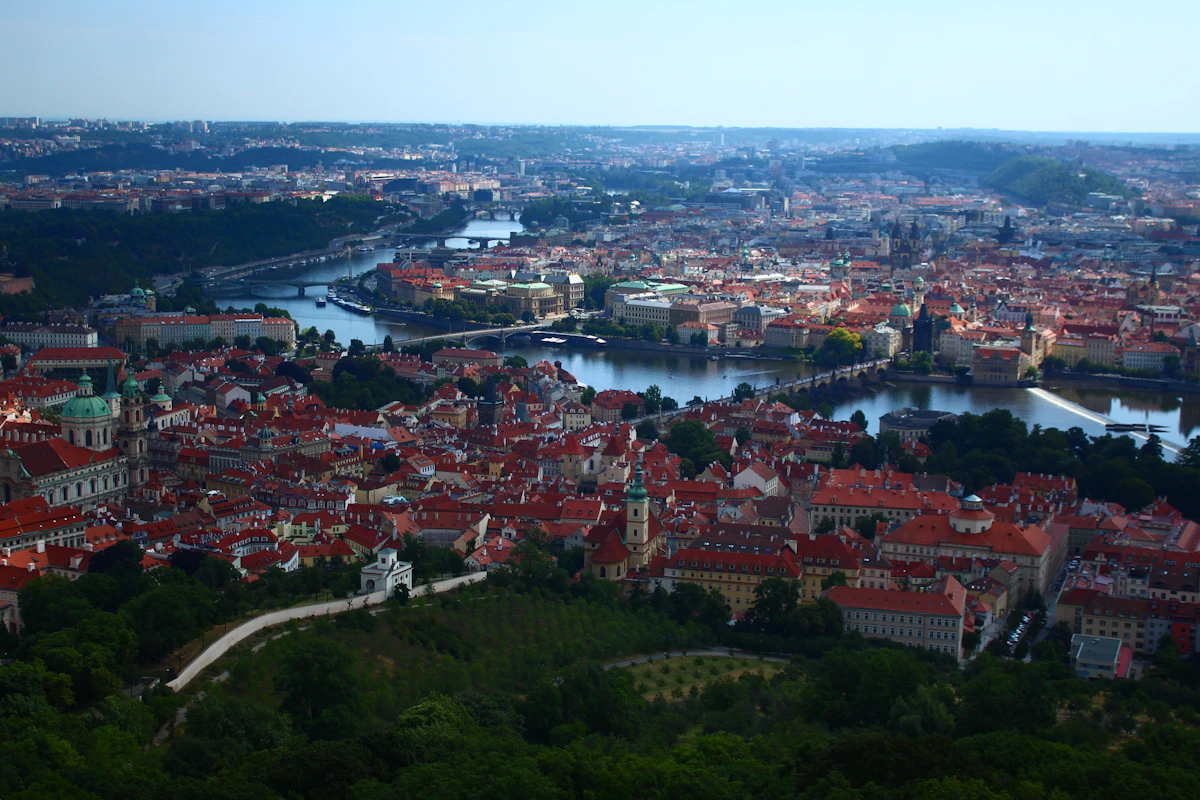
Prague Christmas Markets 2026: Complete Guide
Prague Christmas markets 2026: dates, locations, what to eat, and when to visit. Compare Old Town Square, Wenceslas Square, and local favorites.
The Ultimate Prague Food Guide 2026: Czech Cuisine and Beyond
Skip the tourist traps in 2026. Discover where Prague locals actually eat, from budget lunch menus and street food to Michelin-starred Czech tasting menus.