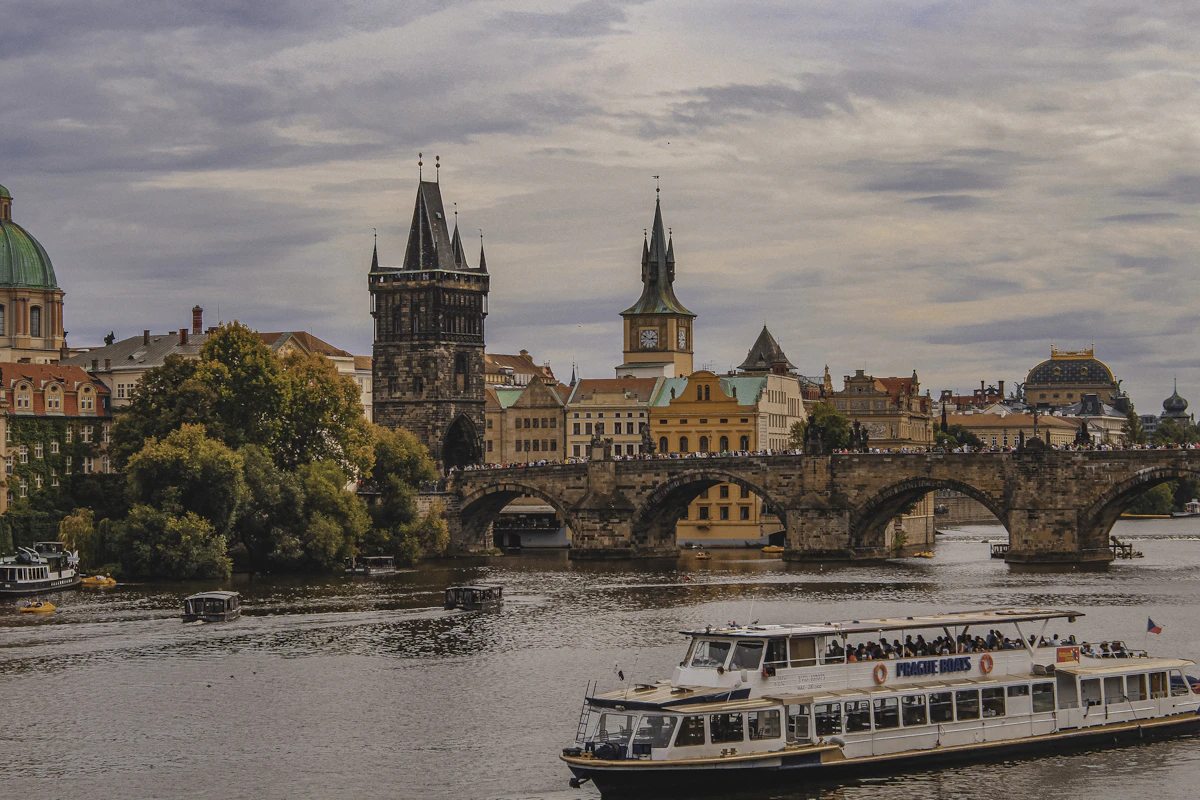
Malá Strana: Baroque Charm and Hidden Gardens (2026 Guide)
Where palace gardens meet riverside wine bars in Prague's most romantic quarter
Powered by ITINE
Get this guide as a tappable itinerary
Day-by-day plan, audio tours, and one-tap Google Maps — completely free.

Destinations

Your Itinerary
Google Maps
The Soul of Malá Strana
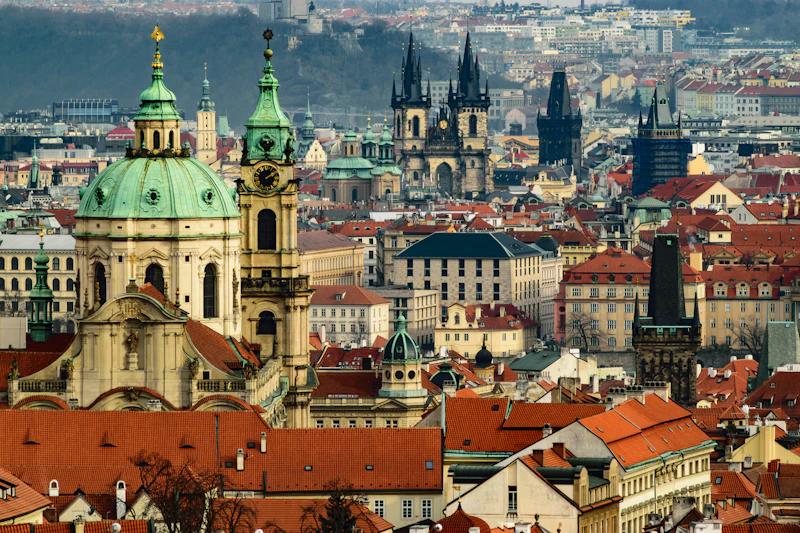
Malá Strana — the Lesser Town — is one of those rare neighborhoods that earns every ounce of its reputation. Spread beneath Prague Castle on the west bank of the Vltava — and serving as the natural descent from the Castle complex — this is where Baroque architecture reached its fever pitch after the Counter-Reformation rebuilt the quarter almost entirely in the 17th and 18th centuries. But don't let the word 'Baroque' conjure images of dusty museums. Malá Strana is alive: embassy staff drink wine in converted palace gardens, jazz drifts from basement bars, and locals walk their dogs past facades that would be roped off in any other city.
The neighborhood's intimacy is its greatest asset. Malá Strana is compact, walkable, and vertically dramatic — the streets climb from the riverbank up toward the Castle in a series of staircases, terraces, and sudden viewpoints that reward the curious. Get lost here. It's the whole point.
A Quick History
Founded in 1257 by King Ottokar II, Malá Strana was settled largely by German craftsmen invited to colonize the area beneath the Castle. The Great Fire of 1541 devastated the quarter, and the Baroque rebuilding that followed created the architectural character you see today. After the Battle of White Mountain in 1620, the properties of exiled Protestant nobles were seized and handed to Catholic loyalists, who transformed them into the grand palaces that now house embassies and government offices.
This history of displacement gives Malá Strana a particular melancholy beneath the beauty. The neighborhood was always for the powerful — aristocrats, clergy, diplomats. Today it's one of Prague's most expensive addresses, home to around 5,000 residents who share their streets with roughly 10 million tourists a year. They handle it with practiced Czech stoicism.
I have walked through Malá Strana in every season, at every hour, for fifteen years. It has never once failed to show me something I hadn't noticed before — a carved keystone, a courtyard glimpsed through a closing gate, a trick of light on a church dome. This neighborhood is inexhaustible.
— Prague Itinerary
Architecture Highlights
Malá Strana is essentially an open-air museum of Baroque architecture, but the details reward close attention. Along Nerudova street, look up at the house signs — carved stone emblems that served as addresses before numbering was introduced in the 18th century. The House at the Two Suns (No. 47, where Jan Neruda lived), the House at the Golden Horseshoe (No. 34), and the House at the Three Fiddles (No. 12) are among the finest. These aren't plaques; they're sculptural works of art, often depicting the trade or patron saint of the original occupants.
St. Nicholas Church (Kostel sv. Mikuláše), located at Malostranské nám., 118 00 Praha 1-Malá Strana, is the crowning achievement of Prague Baroque. Built by the Jesuit order between 1704 and 1755, its soaring 70-metre dome and the dramatic trompe-l'oeil ceiling fresco by Johann Lukas Kracker are among the most impressive in Central Europe. During the Communist era, the secret police used the bell tower as a surveillance post to monitor Western embassies in the neighborhood — an irony the building wears without comment. The interior is free to enter during services; otherwise a small admission applies.
Beyond the church, the palaces lining the streets tell stories of ambition and power. The Wallenstein Palace (1623–1630) was built by the ruthless military commander Albrecht von Wallenstein, who demolished 26 houses, a brick kiln, and three gardens to create his enormous residence — deliberately designed to rival Prague Castle itself. The Lobkowicz Palace, Thun-Hohenstein Palace (now the Italian Embassy), and the Nostitz Palace each represent distinct phases of Baroque and Rococo design. Most are closed to the general public, but their facades, portals, and courtyards are freely accessible and worth studying.
The Hidden Gardens
The terraced palace gardens on the southern slope below the Castle are Malá Strana's greatest treasure and its best-kept semi-secret. While visitors pack the Castle grounds above, these interconnected Baroque gardens — the Ledebour, Pálffy, Kolowrat, and Small and Large Fürstenberg Gardens — offer the same views with a fraction of the crowds and infinitely more charm. You can enter from Valdštejnská street and climb through all of them to emerge at the Castle.
Vrtba Garden (Vrtbovská zahrada)
Baroque GardenKarmelitská 373/25, 118 00 Praha 1-Malá Strana
Insider tip: This is arguably the most beautiful Baroque garden in Central Europe and almost nobody visits. The tiered Italianate design climbs the hillside with sculptures, frescoes, and a view from the top terrace that rivals any in Prague. Enter through the unassuming doorway on Karmelitská — the contrast between the street and what lies behind the wall is staggering. Note: The garden may be temporarily closed; check ahead before visiting.
Vrtba Garden: The Masterpiece in Detail
The Vrtba Garden deserves its own subsection because it is, without exaggeration, one of the finest Baroque gardens in Europe — and almost nobody visits. Designed by František Maximilian Kaňka around 1720 with sculptural decoration by Matthias Braun, the garden ascends the hillside in three terraces connected by an ornamental double staircase. The lowest terrace features a sala terrena (garden pavilion) decorated with mythological frescoes by Václav Vavřinec Reiner. The middle terrace holds clipped hedges and sculptural groupings. The upper terrace — the one that stops you in your tracks — opens to a panoramic view across the red rooftops of Malá Strana to the Vltava, Old Town, and the distant hills beyond.
The garden is small, manageable in 30 to 45 minutes, and achingly beautiful in every season. In spring, the parterre beds bloom with tulips. In summer, the roses and the shade of the upper terraces offer genuine respite. In autumn, the sculptural forms stand out against amber and russet foliage. The garden closes in winter, but the entry passage sometimes hosts small exhibitions.
Vojanovy Sady
Public GardenU Lužického semináře 17, 118 00 Praha 1-Malá Strana
Insider tip: Prague's oldest garden, dating to the 13th century when it was a monastery orchard. Peacocks roam freely among fruit trees and wild-looking vegetation. It feels forgotten by time — which is exactly why locals come here to read, nap, and escape. Benches fill up on sunny afternoons.
Wallenstein Garden (Valdštejnská zahrada)
Palace GardenLetenská 123/4, 118 00 Praha 1-Malá Strana
Insider tip: The massive garden of the Wallenstein Palace (now the Czech Senate) features a grotesque drip-wall that looks like it was designed by a gothic horror set decorator, free-roaming peacocks, and a large reflecting pool. Free admission makes this a perfect midday break. Note: The garden may be temporarily closed; check ahead before visiting.
Kampa Island
Kampa is technically an island, separated from Malá Strana by the narrow Čertovka (Devil's Stream) canal. It's one of Prague's most peaceful spots — a long park stretches along the river with views of the Old Town skyline, and the northern end features the Kampa Museum of modern art in a converted mill. The waterwheel is still visible from the bridge on Říční street, and the view of Charles Bridge from Kampa's northern tip is the photograph you'll actually frame.
Museum Kampa
Modern Art MuseumU Sovových mlýnů 2, Praha 1
Insider tip: Houses a superb collection of Central European modern art, including works by František Kupka and Otto Gutfreund. The building itself — a renovated medieval mill — is as compelling as the art. The riverside terrace café is a lovely spot even if you skip the galleries.
Kampa Island in Detail
The Čertovka canal that creates Kampa was originally dug in the 12th century to power watermills. The name — Devil's Stream — allegedly comes from a notoriously ill-tempered woman who lived beside it, though the more romantic explanation involves a diabolical whirlpool. Today the narrow channel is one of Prague's most photographed spots, especially the view from Na Kampě bridge where the old mill wheel still turns in the current. The buildings along the canal lean and sag with the kind of imperfect beauty that makes this corner of Prague feel like a stage set for a fairy tale.
The park on the island's southern end — officially Kampa Park — is one of the few open green spaces in central Prague. In summer it hosts occasional outdoor art installations and film screenings. The David Černý 'Babies' sculptures (giant crawling infants with barcodes for faces) on the lawn near the museum have become an unofficial symbol of the island. They're deliberately unsettling and oddly endearing.
Walk south along Kampa park in the evening. The benches along the river fill with locals drinking beer, the Castle glows above, and the weir creates a constant, soothing rush of water. It's the best free entertainment in Prague.
The Lennon Wall: An Honest Assessment
Let's be frank. The Lennon Wall on Velkopřevorské náměstí began as a genuine act of political resistance — young Czechs painted Beatles lyrics and anti-communist messages here in the 1980s, and the secret police kept whitewashing it, and the messages kept returning. It was meaningful, dangerous, and real.
Today it's a revolving canvas of tourist graffiti, Instagram poses, and paint so thick you could peel it off in sheets. The original political spirit is buried under layers of 'Jake & Emily were here 2024.' Is it worth seeing? Yes, but manage your expectations. It's a 30-second stop, not a destination — go early morning for photos without crowds. The real attraction on this square is the French Embassy garden wall and the quiet canal views from the nearby bridge.
The square itself — Velkopřevorské náměstí — is more interesting than the wall. It's home to the Grand Priory of the Knights of Malta (the Maltese cross appears throughout Malá Strana for this reason), and the adjacent Maltézské náměstí hosts one of Prague's most atmospheric small squares, anchored by the Church of Our Lady Beneath the Chain, which has been controlled by the Maltese Order since the 12th century. The unfinished nave, open to the sky, is a hauntingly beautiful ruin.
Where to Eat in Malá Strana
Malá Strana's dining scene has improved dramatically in recent years — for a broader look at Czech cuisine and where to find it done well across the city, see our Prague food guide. The tourist traps still line Mostecká (the street from Charles Bridge to the square), but excellent restaurants hide in the side streets and courtyards. As a general rule, the closer you are to Charles Bridge, the more you'll pay and the less you'll enjoy — walk at least three to four blocks from Mostecká before sitting down, and head toward Karmelitská and the streets south of it for much better value and quality.
Lokál U Bílé kuželky
Czech RestaurantMíšeňská 12, Praha 1
Insider tip: The Malá Strana outpost of the Lokál chain, serving excellent traditional Czech food and perfectly poured tank Pilsner. The back dining room is quieter. Their roast duck with cabbage and dumplings is the dish to order. Reservations recommended for dinner.
Café Savoy
Café & RestaurantVítězná 5, Praha 5 (at the Malá Strana border)
Insider tip: A grand Neo-Renaissance café with soaring ceilings, impeccable service, and the best weekend brunch in this part of Prague. Their in-house bakery produces pastries that justify the slightly elevated prices. The eggs Benedict are flawless.
By 10:00 the transformation is underway. Tour groups stream across Charles Bridge and fan out along Mostecká. The square fills with visitors photographing St. Nicholas Church. The restaurants set out their terrace menus in six languages. This midday Malá Strana — crowded, commercial, slightly harried — is what most visitors experience, and it can feel underwhelming if you've come expecting intimacy.
Cukrkávalimonáda
Café & BrunchLázeňská 7, Praha 1
Insider tip: A charming little café with a pastel interior, excellent homemade cakes, and solid coffee. The name translates to 'Sugar-Coffee-Lemonade' (from a Czech children's game). Perfect for a mid-afternoon break after garden hopping. Try the medovník (honey cake).
Augustine Restaurant
Fine DiningLetenská 12/33, Praha 1
Insider tip: Located in the Augustine Hotel (a converted 13th-century monastery), this is Malá Strana's splurge option. Czech-inspired tasting menus in a refectory setting. The hotel bar serves cocktails made with St. Thomas's brewery beer, which was brewed in this building for 600 years.
Wine Bars and Evening Drinks
Malá Strana has quietly become Prague's best neighborhood for wine. The embassy crowd, the proximity to Austrian and Moravian wine country, and the general atmosphere of civilized decadence have spawned a collection of wine bars that would hold their own in Vienna or Paris.
Vino di Vino
Wine BarSaská 7, Praha 1
Insider tip: A gorgeous Italian wine bar tucked into the quiet streets near the French Embassy. Outstanding selection of Italian and Moravian wines by the glass, served with proper cheese and charcuterie boards. The vaulted cellar seats are the best in the house. This is where embassy staff unwind.
U Malého Glena
Jazz Bar & RestaurantKarmelitská 23, Praha 1
Insider tip: A small American-owned jazz and blues bar with live music every night in the tiny basement. The upstairs pub serves better-than-average burgers and ribs. The intimacy of the basement venue — maybe 40 people maximum — makes every show feel like a private concert.
Shopping in Malá Strana
Malá Strana is not a shopping district in the conventional sense — you won't find high-street chains or department stores. What you will find is a scattered collection of specialist shops, antiquarian bookstores, and artisan studios that reward unhurried browsing. The streets south of Malostranské náměstí, particularly Karmelitská and Tržiště, hold the best independent shops.
Shakespeare & Sons
Bookshop & CaféU Lužického semináře 10, Praha 1
Insider tip: A beautifully curated English-language bookshop with a strong selection of Central European literature, travel writing, and Czech authors in translation. The downstairs café serves good coffee and light meals. This is where expats come to browse, and the staff recommendations are excellent.
Several antique shops along Mostecká and Nerudova sell Bohemian crystal, Art Nouveau prints, vintage maps of Prague, and communist-era memorabilia. Prices vary wildly — the tourist-facing shops on Mostecká charge double what you'd pay on the quieter side streets and often sell Russian nesting dolls (not Czech), synthetic garnets, and marionettes made in China. Walk two blocks in any direction for authentic Czech goods at honest prices. For Bohemian garnets (the deep red gemstone that is Prague's signature souvenir), look for stores displaying the Granát Turnov brand, which guarantees authentic Czech stones. Counterfeits imported from Asia are widespread in tourist shops.
Morning vs Evening: Two Different Neighborhoods
Malá Strana before 09:00 belongs to its residents. Delivery trucks rumble over the cobblestones. Café owners hose down the pavement. An elderly woman walks a small dog past the Thun Palace. The light is soft and golden, angling down Nerudova in a way that turns every facade into a painting. This is the time to see the neighborhood without performance — without the tour groups, the selfie sticks, the horse carriages on the square. It's also the best hour for photography. The low sun catches the stone carvings and gilded house signs at angles that noon light erases entirely.
The evening reversal is even more dramatic. By 20:00 in summer, the streets empty out with startling speed. The quality of light shifts to amber and then to blue twilight. The gas-style lamps along Lázeňská and Prokopská cast warm pools on the cobblestones. The Castle, now illuminated, seems to float above the rooftops. Couples walk arm in arm along the Čertovka. A busker plays violin near the bridge. This is the Malá Strana that earns its reputation as Prague's most romantic quarter, and it is available to anyone willing to simply stay past dinner.
The Best Views
Malá Strana's hillside position means views are everywhere, but some spots are exceptional.
- Petřín Hill — take the funicular or walk up through the orchards. The observation tower at the top gives a 360-degree panorama, but the hillside meadows halfway up offer equally beautiful views with wildflowers in the foreground.
- The top terrace of Vrtba Garden — the best view you'll find for a small admission fee. The entire Old Town and river spread below you.
- Kampa Island's northern tip — the classic Charles Bridge photograph, but from below. Best at sunset when the bridge is silhouetted against the sky.
- The stairs from Úvoz down to Nerudova — pause at any landing for a view over Malá Strana's terracotta rooftops with the river and Old Town beyond.
- Střelecký ostrov (Shooters' Island) — technically accessible from the National Theatre side, but the views back toward Malá Strana and the Castle are magnificent at dusk.
Evening Walks: Malá Strana After Dark
Malá Strana undergoes a transformation after sunset that no other Prague neighborhood can match. The tour groups evaporate, gas-style lamps flicker on along Mostecká and Lázeňská, and the Baroque facades take on a theatrical quality — shadows pooling in doorways, stone saints gleaming on cornices, the Castle lit up like a stage set above.
The perfect evening walk: Start at Malostranské náměstí after 21:00. Walk down Karmelitská past shuttered antique shops, turn right onto Harantova, and follow the quiet streets down to the river. Cross Kampa along the water's edge, then loop back via Říční street and the Čertovka canal. Total time: 45 minutes of near-silence in the geographic center of a capital city. End at U Malého Glena for a jazz set and a nightcap.
Practical Tips
- Metro: Malostranská (Line A) is the only metro station and sits at the neighborhood's northern edge. From here, tram 12, 20, or 22 can take you up to the Castle.
- Trams: The 22 tram is your best friend — it climbs from Malostranská up past the Castle to Pohořelec. Lines 12 and 20 connect along the river to Smíchov.
- Walking: Malá Strana is steep. Wear proper shoes. The cobblestones on Nerudova are polished smooth by centuries of feet and become treacherous in rain.
- Charles Bridge: Cross it at dawn (before 07:00) or late at night (after 22:00). During the day it's a pleasant walk but impossibly crowded. The statues are best appreciated in the low-angle light of morning anyway.
- Budget tip: Many of the best experiences in Malá Strana are free — the Wallenstein Garden, walking through Kampa, the evening atmosphere, and the views from Petřín's lower slopes.
Where to Stay in Malá Strana
Staying in Malá Strana means paying a premium for location, but the trade-off is significant: you get the neighborhood in its quiet morning and evening hours, when it truly shines. The area is best suited to travelers who value atmosphere over nightlife — the bars close relatively early here compared to Žižkov or the Old Town, and the streets are genuinely peaceful by 23:00.
The Augustine Hotel (Letenská 12) occupies a 13th-century Augustinian monastery and is the neighborhood's landmark luxury stay — the cloistered corridors, brewery-themed bar, and rooftop terrace with Castle views justify the price for a special occasion. In the mid-range, Aria Hotel (Tržiště 9) offers music-themed rooms and a rooftop terrace that commands one of the best views in all of Prague. For budget-conscious visitors, the area around Újezd street at the neighborhood's southern edge has several smaller pensions and apartment rentals that offer Malá Strana character at more accessible prices.
Final Verdict
For more places that reward unhurried wandering, our guide to Prague's hidden gems covers quiet corners across the city. Malá Strana is not just Prague's most beautiful neighborhood — it's the one that most rewards slow exploration. Rushing through to tick off the Castle and Charles Bridge misses the entire point. This is a place built for wandering: through gardens, along canals, up staircases that lead to unexpected views, into wine bars where the evening stretches and time loses its grip. If Prague is a city of layers, Malá Strana is where those layers are most visible, most touchable, and most willing to reveal themselves to anyone patient enough to look.
Frequently Asked Questions
Malá Strana is arguably Prague's most beautiful neighborhood and absolutely deserves dedicated time. While Old Town has the Astronomical Clock and the Jewish Quarter, Malá Strana offers Baroque palaces, hidden gardens, Kampa Island, and the approach to Prague Castle — all in a more intimate, less crowded setting.
Malostranská station on metro Line A is the only metro stop and sits at the neighborhood's northern edge. From there, tram 12, 20, or 22 can take you up to the Castle. Tram 22 is especially useful — it climbs from Malostranská past the Castle to Pohořelec.
The terraced palace gardens on the slope below Prague Castle — including the Ledebour, Pálffy, and Kolowrat Gardens — are the best-kept semi-secret. Vrtba Garden (Karmelitská 25) is a UNESCO-listed Baroque masterpiece with stunning views for just 100-120 CZK. Vojanovy Sady is Prague's oldest garden with free-roaming peacocks, and it's completely free.
It's worth a quick stop but manage your expectations. The original political resistance art from the 1980s is buried under layers of tourist graffiti. Treat it as a 30-second photo stop, not a destination. The surrounding Velkopřevorské náměstí with its Grand Priory of the Knights of Malta and quiet canal views is actually more interesting.
Avoid Mostecká street (the corridor from Charles Bridge to the square) entirely for dining. Walk at least 3-4 blocks from Mostecká toward Karmelitská for better value. Lokál U Bílé kuželky on Míšeňská serves excellent Czech food and tank Pilsner. Cukrkávalimonáda on Lázeňská is perfect for homemade cakes and coffee.
Kampa is a peaceful island separated from Malá Strana by the narrow Čertovka (Devil's Stream) canal. It features the Kampa Museum of modern art, David Černý's famous crawling baby sculptures, and a riverside park with stunning views. Access it by walking down from Charles Bridge or through the streets south of Malostranské náměstí.
Yes, and there are several routes. Nerudova street is the most famous but also the most crowded. A better alternative is entering the Palace Gardens from Valdštejnská street — you climb through terraced Baroque gardens and emerge near the Castle's eastern gate. It costs a small admission fee but offers gardens, views, and a much more scenic approach.
Hotels run 30-50% more than equivalent quality in Vinohrady or Žižkov. Restaurant prices near Charles Bridge are inflated, but side-street dining is more reasonable. A smart compromise is staying in Smíchov (one tram stop away) or near Újezd and walking into Malá Strana for morning and evening visits.
The top terrace of Vrtba Garden offers arguably the best view you'll find for a small admission fee, with the entire Old Town and river spread below. Petřín Hill's meadows provide equally beautiful views with wildflowers in the foreground. Kampa Island's northern tip gives the classic Charles Bridge photograph from below, best at sunset.
The interior is free to enter during services; otherwise, a small admission fee applies. It's the crowning achievement of Prague Baroque, with a soaring 70-metre dome and dramatic trompe-l'oeil ceiling fresco. During the Communist era, the secret police used the bell tower to surveil Western embassies in the neighborhood.
Malá Strana has quietly become Prague's best neighborhood for wine. Vino di Vino on Saská 7 has outstanding Italian and Moravian wines in a gorgeous vaulted cellar. The embassy crowd and proximity to Austrian and Moravian wine country have spawned a collection of wine bars that rival Vienna or Paris.
The gardens and Kampa Island are great for children, and the Wallenstein Garden has free-roaming peacocks that fascinate kids. However, the steep cobblestone streets are challenging with strollers, and dining options are more limited than in family-friendly Vinohrady. The Petřín funicular ride is a highlight for children.
Rolling luggage is an ordeal on Malá Strana's cobblestone streets. Many streets are pedestrian-only or too narrow for cars. If arriving by taxi, confirm the exact drop-off point with your hotel — some offer porter service from the nearest vehicle access point. Consider using a backpack instead.
Many of Malá Strana's best experiences cost nothing: walking through Kampa Island along the river, visiting the free Wallenstein Garden with its peacocks and grotesque drip-wall, exploring the evening atmosphere after the crowds leave, and enjoying the views from Petřín's lower slopes.
U Malého Glena on Karmelitská 23 is a small American-owned jazz and blues bar with live music every night in a tiny basement that holds maybe 40 people. The intimacy of the venue makes every show feel like a private concert. It also serves decent burgers and ribs upstairs.
Klára Dvořáková
Prague Historian & Licensed Guide · Prague 1, Czech Republic
Born and raised in Prague's Staré Město, Klára holds a degree in Art History from Charles University and has been a licensed city guide since 2014. She specializes in Gothic and Baroque architecture, and leads walking tours through neighborhoods most tourists never find.
You might also enjoy
Prague Castle: The Complete Visitor's Guide (2026)
Plan your Prague Castle visit with this 2026 guide to ticket circuits, St. Vitus Cathedral, Golden Lane, and gardens. Includes best times and approach routes.
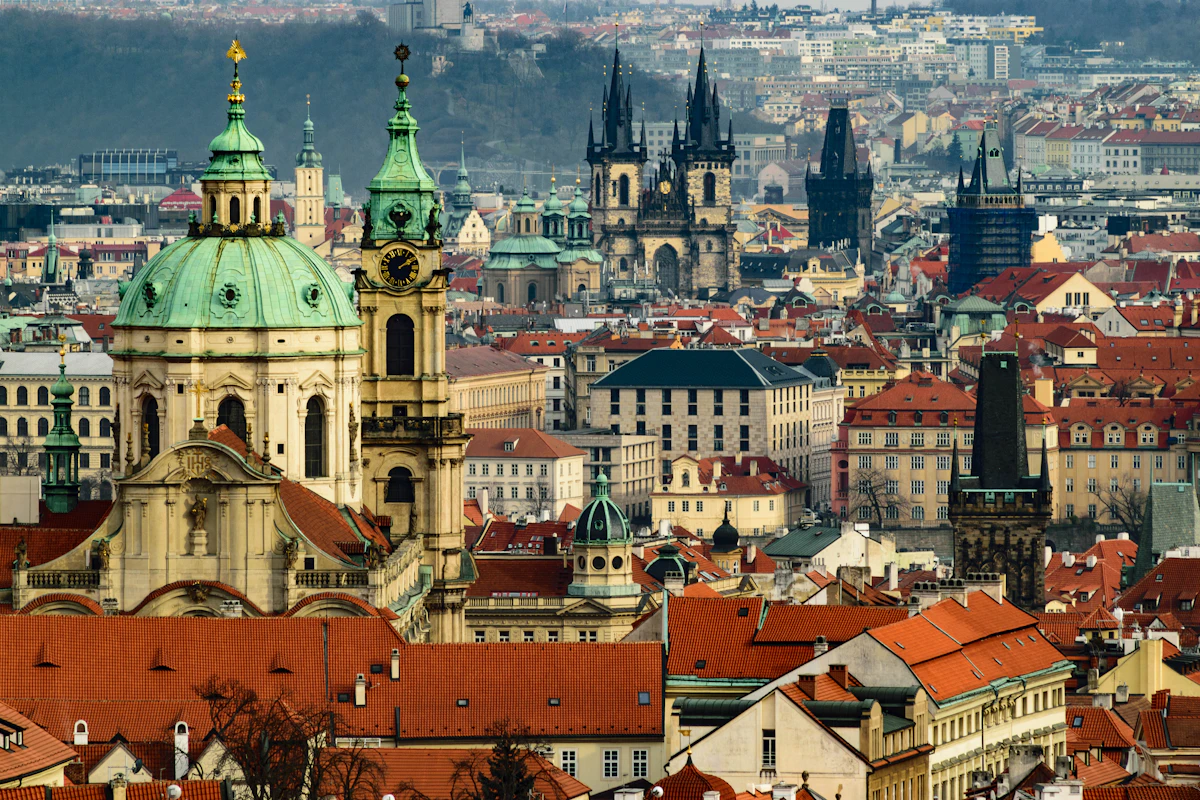
Charles Bridge Guide: History, Tips, and Best Times to Visit (2026)
When is the best time to visit Charles Bridge without crowds? Get sunrise tips, statue highlights, tower climb details, and photo spots in this updated 2026 Prague guide.