Žižkov: Prague's Rebel District (2026 Guide)
Pubs, punk rock, Soviet brutalism, and the babies crawling up a TV tower
Powered by ITINE
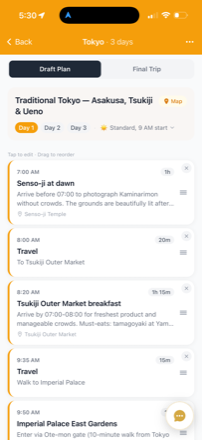
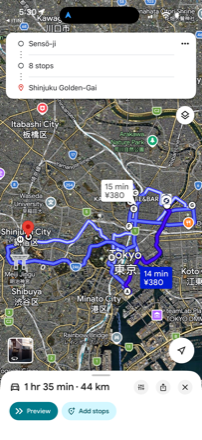
Get this guide as a tappable itinerary
Day-by-day plan, audio tours, and one-tap Google Maps — completely free.

Destinations
Your Itinerary
Google Maps
Žižkov: An Introduction
Žižkov is the neighborhood that Prague's polished districts pretend doesn't exist — and it couldn't care less. If you are deciding where to stay in Prague, this district offers character that no hotel in the Old Town can match. Named after the one-eyed Hussite general Jan Žižka, who never lost a battle, this working-class quarter east of the city center has spent centuries cultivating a reputation for irreverence, heavy drinking, and stubborn independence. It was an independent town until 1922, and some residents act like the merger with Prague never happened.
The statistics tell part of the story: Žižkov reportedly has the highest density of pubs per capita in Central Europe, possibly in all of Europe. The character tells the rest: peeling paint on Art Nouveau facades, graffiti on every available surface, dive bars where a half-liter of beer costs less than a bottle of water in Old Town, and a TV tower that the communist government built specifically to jam Western radio signals — now adorned with giant crawling babies by the sculptor David Černý, because Prague.
History of the Rebel District
Žižkov's rebellious character is not an affectation — it's baked into the neighborhood's DNA. The area takes its name from the Battle of Vítkov in 1420, when the Hussite commander Jan Žižka defeated a vastly larger Crusader army on the hill that now bears his name. The Hussites were Czech proto-Protestants who rejected papal authority a century before Martin Luther, and their spirit of defiance has never quite left this hillside.
In the 19th century, Žižkov developed as a working-class industrial neighborhood, home to factory workers, laborers, and the Czech proletariat. It had its own municipal government, its own identity, and its own problems — poverty, overcrowding, and a thriving underground of anarchists and socialists. When it was absorbed into Greater Prague in 1922, Žižkov retained its rough-around-the-edges character even as the rest of the city gentrified around it.
Under communism, the neighborhood stagnated but survived. The TV tower was erected in the 1980s, partially demolishing a Jewish cemetery in the process — an act of cultural vandalism that still stings. After 1989, Žižkov became the natural home for Prague's counterculture: punk bands, underground clubs, cheap studios for artists, and an ever-evolving ecosystem of bars that range from genuinely dangerous to merely atmospheric.
The TV Tower and David Černý's Babies
The Žižkov Television Tower is 216 meters of communist-era brutalism that Praguers voted the second-ugliest building in the world in a 1990s poll. It's visible from virtually everywhere in Prague, a concrete middle finger raised above the skyline. And somehow, over the decades, it's become beloved — partly because of David Černý's 10 giant fiberglass babies that have been crawling up its pillars since 2000 (made permanent in 2001), their faces replaced by barcodes in Černý's trademark absurdist style.
Žižkov Television Tower (Žižkovská televizní věž)
Landmark / Observation DeckMahlerovy sady 1, Praha 3
Insider tip: The observation deck at 93 meters offers a 360-degree view of Prague that's arguably better than from the Castle because you can actually see the Castle from here. There's also a restaurant and a one-room luxury hotel suite inside. Go at sunset for the best experience. The babies are best viewed from ground level in the surrounding park.
The TV Tower Up Close
From a distance, the tower looks like a rocket ship designed by a Soviet committee. Up close, the engineering is genuinely impressive: three tubular pillars rise from a triangular base, joined by platforms at various heights. The observation deck at 93 meters puts you above nearly everything in Prague, and the panoramic windows offer unobstructed views in every direction. On clear days, you can see the Krkonoše mountains on the northern horizon, over 100 kilometers away. The deck is least crowded on weekday mornings before 11:00, and the tower stays open until midnight — the nighttime views of illuminated Prague are spectacular but underappreciated because few visitors think to come after dark.
David Černý's ten baby sculptures — each 3.5 meters tall and made of reinforced fiberglass — were originally installed as a temporary exhibit in 2000 and proved so popular that they were made permanent in 2001. The babies crawl headfirst up the tower's pillars, their faces replaced by elongated, slot-like indentations resembling barcodes. The effect is simultaneously playful and unsettling, which is Černý's signature mode. A single baby sculpture also sits at ground level in the adjacent park, where children inevitably climb on it and parents inevitably photograph them doing so.
Vítkov Hill and the National Monument
Vítkov Hill is Žižkov's defining geographic feature and home to one of Prague's most underrated viewpoints. The hilltop is crowned by the National Memorial, a massive functionalist building from the 1930s that was originally designed to honor the Czechoslovak Legionnaires but was co-opted by the communists as a mausoleum for Klement Gottwald (whose embalmed body, unlike Lenin's, eventually decomposed so badly they had to cremate him — a detail that perfectly captures Czech communist incompetence).
National Monument on Vítkov (Národní památník na Vítkově)
Museum / MemorialU Památníku 1900, Praha 3
Insider tip: The museum inside covers Czech history from the Hussite period through the Velvet Revolution. The communist-era interiors — marble halls, a columbarium, and the former mausoleum — are fascinatingly creepy. But the real draw is the terrace: the panoramic view of Prague from the front steps, with the Jan Žižka statue in the foreground, is one of the best photo spots in the city. Almost no tourists come here.
The Jan Žižka equestrian statue out front is one of the largest bronze equestrian statues in the world. It depicts the one-eyed general brandishing his mace, looking exactly as terrifying as a man who won every battle he ever fought should look. The park surrounding the monument is popular with dog walkers and joggers, and the hillside paths offer changing perspectives of the city below.
Pub Culture: The Soul of Žižkov
This is what you came for. Žižkov pub culture is not about craft beer flights and artisanal nibbles — for that side of Prague's beer world, see our Czech craft beer guide — it's about sitting in a slightly battered room with Czech regulars, drinking excellent lager for the price of a candy bar, and experiencing the hospoda (pub) tradition that has anchored Czech social life for centuries. A proper Žižkov pub has sticky tables, smoke-stained walls (even years after the indoor smoking ban), a barman who communicates primarily through eyebrow movements, and the best-poured Pilsner you'll ever taste.
Žižkov doesn't ask you to admire it. It offers you a beer, a seat at the bar, and a view of the TV tower through a smudged window. If you need more than that, you're in the wrong neighborhood. If that sounds like everything, welcome home.
— Prague Itinerary
A Brief History of Žižkov Drinking
The density of pubs in Žižkov is not accidental. When the neighborhood industrialized in the late 19th century, factory owners often paid workers partly in beer vouchers redeemable at affiliated taverns — a system that kept wages low and workers dependent, but also embedded the hospoda into the rhythm of daily life. By 1900, Žižkov had over 400 licensed drinking establishments serving a population of roughly 60,000, a ratio of one pub per 150 residents that few neighborhoods anywhere have matched before or since.
The communist era paradoxically preserved this culture. The state nationalized the pubs but lacked either the incentive or the competence to close them, and the hospoda became one of the few semi-private spaces where Czechs could speak relatively freely. Dissidents, writers, and ordinary workers gathered in Žižkov's pubs to grumble, joke, and plan — Václav Havel himself was known to frequent establishments in the neighborhood. After 1989, many pubs were privatized and continued largely unchanged, creating an unbroken thread of pub culture stretching back more than a century.
U Sadu
Traditional Czech PubŠkroupovo nám. 1282/5, 130 00 Praha 3-Žižkov
Insider tip: The quintessential Žižkov pub. Cheap beer, solid Czech food (the fried cheese is a greasy masterpiece), and a genuinely mixed crowd of students, old-timers, and increasingly savvy tourists. The back room gets lively on weekend nights. Order a tank Kozel and the smažený sýr (fried cheese) with tartar sauce. Don't overthink it.
Bukowski's Bar
Literary Dive BarBořivojova 86, Praha 3
Insider tip: Named after the American writer (and decorated accordingly with literary quotes on the walls), Bukowski's is a Žižkov institution. The cocktails are surprisingly good for a neighborhood dive, the crowd is international but not touristy, and the atmosphere on a packed Saturday night is electric. Cash and card both accepted.
U Vystřelenýho Oka (The Shot-Out Eye)
Punk PubU Božích bojovníků 3, Praha 3
Insider tip: Named after Jan Žižka's famous missing eye, this is Žižkov's most legendarily scruffy pub. Punk rock on the stereo, walls covered in band stickers and graffiti, and beer so cheap you'll double-check the bill. Not for the faint-hearted — the bathrooms are an experience — but absolutely authentic. A right of passage for anyone claiming to know Prague's pub scene.
Pivní Kuře (Beer Chicken)
Neighborhood PubVinohradská 204, Praha 3
Insider tip: A friendly local pub serving some of the cheapest beer in the area with reliably good Czech comfort food. The roast chicken (hence the name) is genuinely excellent. It's the kind of place where regulars have 'their' table and the barman starts pouring your beer when he sees you walk in. Welcoming to newcomers.
Where to Eat Beyond Pub Grub
Žižkov's food scene has evolved significantly in recent years. The old pubs still reign, but a wave of new restaurants has brought global flavors and modern Czech cooking to the neighborhood — at prices that still feel almost unfairly cheap compared to the center. If you are watching your spending, our Prague budget guide has more tips for eating and drinking affordably across the city.
Paro Pizza Vino
Neapolitan PizzaKubelíkova 30, Praha 3
Insider tip: Proper Neapolitan pizza from a wood-fired oven, with blistered crusts and quality ingredients. The margherita is excellent, and the wine list is compact but well-chosen. It's a small space and doesn't take reservations, so arrive early for dinner or expect a short wait.
Havelská Koruna
Czech Cafeteria-StyleMultiple locations / Bořivojova area
Insider tip: Not exclusively Žižkov but the cafeteria-style dining format (jídelna) is a Czech tradition that thrives here. Point at what you want, pay almost nothing, and eat honest Czech comfort food: roast pork, dumplings, svíčková, soup. This is how Czech workers eat lunch and the food is consistently good in a no-frills way.
Vietfood
Vietnamese RestaurantBořivojova 68, Praha 3
Insider tip: Prague has one of the largest Vietnamese communities in Europe (a legacy of communist-era labor agreements), and Žižkov has some of the best Vietnamese food in the city. Fresh pho, crispy spring rolls, and bún bò are all excellent here. The lunch specials are a steal.
Street Art and the Alternative Scene
Žižkov's walls are its galleries. The neighborhood has a long tradition of street art that ranges from quick tags to elaborate murals spanning entire building sides. Bořivojova street is the main artery of Žižkov's alternative scene and also its best open-air gallery — walk its full length from Husinecká to Koněvova and you'll pass dozens of pieces.
- Bořivojova street — the spine of Žižkov's creative scene, lined with bars, vintage shops, and constantly changing street art.
- The walls around the railway overpass near Koněvova — large-scale murals that change regularly, commissioned and otherwise.
- Husitská street — a mix of old political graffiti and newer artistic interventions on the facades of unrenovated buildings.
- The abandoned spaces near the Nákladové nádraží Žižkov (the former freight railway station) — a massive brownfield site that has become an unofficial gallery and creative hub while awaiting redevelopment.
Beyond street art, Žižkov supports a vibrant alternative culture scene. Small galleries, underground music venues, artist studios, and DIY spaces dot the neighborhood. The character is intentionally rough and uncommercial — this is not gentrified bohemia, it's the real thing, which is precisely why it's inevitably gentrifying.
The Nákladové nádraží Žižkov — a vast, decommissioned freight railway station complex — deserves special mention. This sprawling brownfield site has been in limbo for years, its cavernous warehouses and loading docks colonized by artists, squatters, and event organizers. Temporary exhibitions, raves, and underground markets have all used the space. Redevelopment plans are perpetually underway, with a mixed-use neighborhood eventually planned, but for now the site remains one of Prague's most compelling urban wastelands — part ruin, part canvas, part time capsule of industrial Czechoslovakia.
Nightlife Beyond the Pubs
While pubs are the foundation, Žižkov's nightlife extends into live music venues, late-night cocktail bars, and underground clubs that operate with a healthy disregard for closing times. For a city-wide perspective on after-dark options, see our Prague nightlife guide.
Palác Akropolis
Live Music Venue & ClubKubelíkova 27, Praha 3
Insider tip: Žižkov's legendary music venue, hosting live bands, DJs, theatre, and cultural events since the 1990s. The main hall has seen everyone from local punk bands to international touring acts. The attached bar and café keep the building alive during the day. Check the program online — there's something almost every night.
Blind Eye Bar
Cocktail BarVlkova 26, Praha 3
Insider tip: A surprisingly polished cocktail bar for Žižkov, but it fits — the craft is serious, the prices are fair, and the vibe stays unpretentious. Named (obviously) after Žižka's missing eye. Their old-fashioned variations are excellent. A good starting point before descending into the pub crawl.
Olšany Cemetery
On Žižkov's eastern edge lies Olšany Cemetery, Prague's largest burial ground and one of the most atmospheric spaces in the city. Founded during the plague of 1680, it sprawls across 50 hectares and holds the remains of prominent Czech figures including Franz Kafka, whose simple grave draws a steady trickle of literary pilgrims. But beyond the famous graves, Olšany is a vast, overgrown, hauntingly beautiful space where crumbling 19th-century monuments disappear beneath ivy and where you can walk for an hour without seeing another person.
The cemetery is divided into several sections, each with its own character. The oldest plots near the main entrance on Vinohradská hold elaborate 19th-century monuments — weeping angels, broken columns symbolizing lives cut short, Art Nouveau iron gates guarding family crypts. Deeper inside, the grounds become wilder: paths narrow, headstones tilt at angles, and ancient linden trees form canopies that filter the light into something green and cathedral-like. The military section holds graves from both World Wars, including Commonwealth soldiers and Red Army troops, their markers standing in neat rows that contrast sharply with the Gothic exuberance of the civilian plots.
Beyond Kafka, Olšany holds the graves of composer Jan Karafiát, astronomer Josef Fraunhofer, and dozens of Czech cultural figures whose names may not resonate with foreign visitors but whose ornate monuments are worth seeing regardless. The cemetery is also a surprisingly popular spot for joggers and walkers who use the paved paths as a quiet escape from the city — a Czech pragmatism about death that visitors from more squeamish cultures sometimes find startling.
Olšany Cemetery (Olšanské hřbitovy)
Cemetery / Historical SiteVinohradská 153, Praha 3
Insider tip: Enter from the main gate on Vinohradská for the oldest sections, or from Jana Želivského for the military cemetery. Maps are posted at each entrance but the layout is labyrinthine — getting pleasantly lost is part of the experience. Allow at least an hour.
Markets, Shopping, and Vintage Finds
Žižkov is not a shopping destination in any conventional sense — there are no boutiques or department stores, and anyone looking for luxury goods should stay west of Wenceslas Square. What Žižkov does offer is a scattering of second-hand shops, vintage clothing stores, and small independent retailers that reflect the neighborhood's DIY ethos and attract bargain hunters willing to dig through racks for hidden gems.
The Vietnamese-run shops along Koněvova and the streets branching off it sell everything from cheap electronics to fresh produce, and several double as informal community centers for Prague's Vietnamese population. On Saturday mornings, a small farmers market occasionally sets up on Jiřího z Poděbrad square (technically the Vinohrady side, but Žižkov claims it culturally). The stalls sell seasonal Czech produce, artisan bread, local honey, and homemade syrups — a pleasant contrast to the industrial character of the surrounding blocks.
Cimrman Records & Books
Vinyl / Secondhand BooksBořivojova 101, Praha 3
Insider tip: A cramped, overstuffed shop selling secondhand vinyl records, Czech literature, and assorted curiosities. The owner is deeply knowledgeable about Czech music and will recommend records if you express an interest. Prices are fair and there are genuine finds buried in the crates — Czech jazz, 1960s pop, and obscure post-punk recordings from the 1980s underground scene.
Žižkov for Families
Žižkov's reputation as a gritty pub district might not scream 'family-friendly,' but the neighborhood has more to offer children than you might expect. The green spaces are genuinely excellent, the TV tower's crawling babies fascinate kids of all ages, and the lack of tourist crowds means you can move at a toddler's pace without blocking anyone's selfie. Czech pub food is also unexpectedly child-friendly — fried cheese, chicken schnitzel, and bramboráky (potato pancakes) are all crowd-pleasers with young eaters, and most Žižkov pubs welcome families during afternoon hours before the serious drinking begins.
Vítkov Hill is the standout family destination. The expansive park surrounding the National Monument has wide paths suitable for strollers, open grassy areas for running around, and the sheer size of the Jan Žižka statue makes an impression on children who might not care about Hussite history but can appreciate a giant man on a giant horse. The hillside playgrounds on the Karlín side are well-maintained and rarely crowded.
- Rajská zahrada (Paradise Garden) — a small park near Flora metro with a playground, benches, and mature trees providing shade in summer.
- Parukářka Park — a large hillside park popular with local families. The grassy slopes are great for picnics and the summit offers panoramic views. An outdoor cinema operates here in summer months.
- The TV Tower park — the grassy area around the tower's base has a single ground-level baby sculpture that children love climbing on, plus open space for running.
- Žižkov swimming pool (Plavecký bazén Žižkov) — a public indoor pool on Koněvova with dedicated children's hours and a small water play area.
Getting Around Žižkov
Žižkov's topography is its defining practical challenge. The neighborhood is built on a series of hills, and what looks like a short walk on a map can involve a surprisingly steep climb. Understanding the terrain saves energy and frustration: the neighborhood slopes generally upward from west (near Florenc and the city center) to east (toward Flora and the cemeteries), with Vítkov Hill forming a steep northern boundary and the ridge along Koněvova marking the southern edge.
Practical Tips for Žižkov
- Metro: Jiřího z Poděbrad (Line A) serves the western edge of Žižkov. The Flora station (Line A) covers the eastern portion. A new metro Line D will eventually improve access.
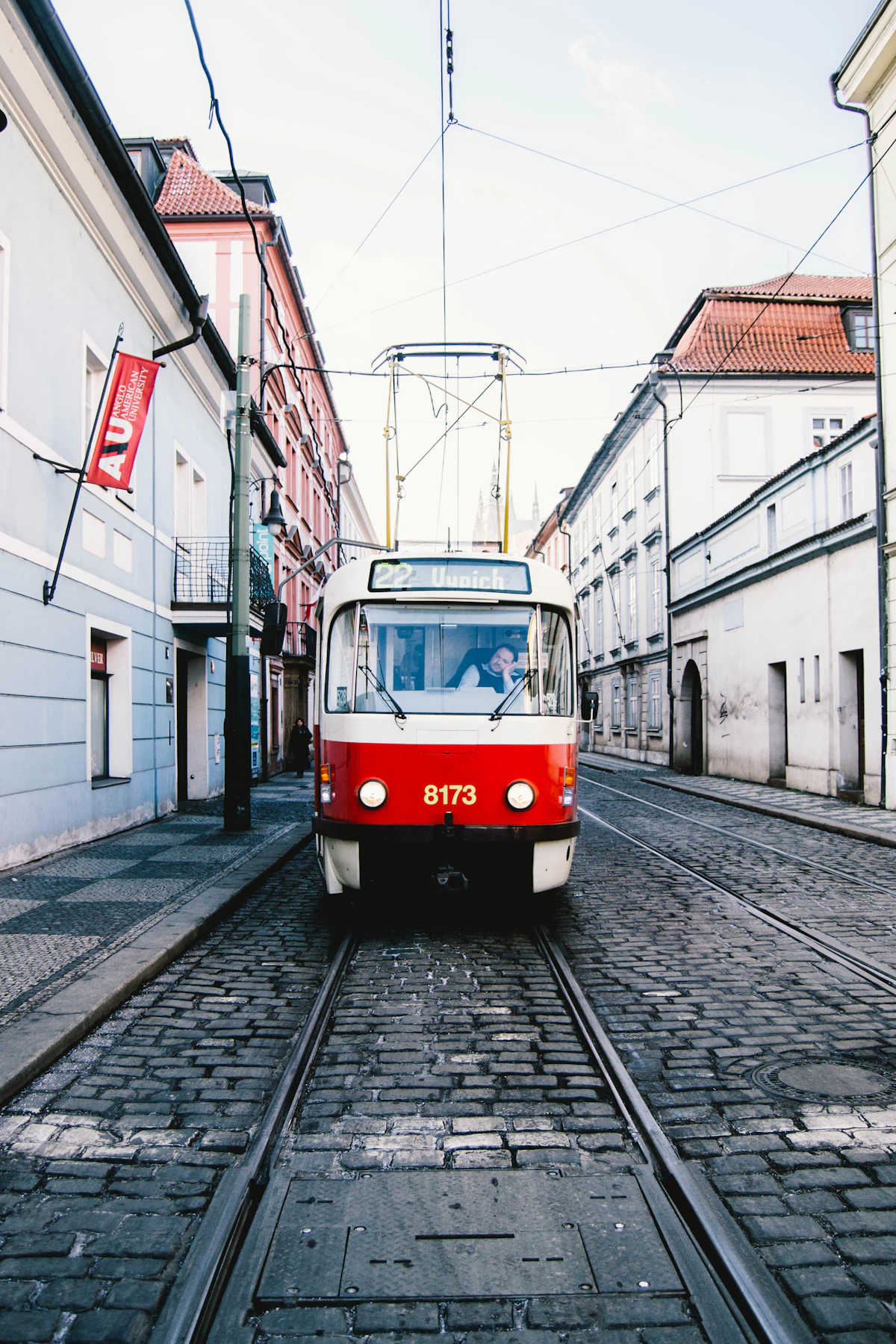
- Trams: Lines 5, 9, and 26 run through the neighborhood along Seifertova and Koněvova. The tram is often more useful than the metro for getting around Žižkov itself.
- Walking from center: Žižkov is a 20-minute walk from Wenceslas Square, uphill through Vinohrady. The climb up Vítkov Hill from Florenc or Karlín is steep but rewarding.
- Safety: Žižkov's reputation for being 'rough' is mostly outdated but use common sense late at night around some of the seedier bars on Koněvova. The neighborhood is generally safe for visitors.
- Budget: Žižkov is one of Prague's cheapest neighborhoods for eating and drinking. A beer in a traditional pub costs 35-50 CZK (under $2.50). Meals at local restaurants run 120-250 CZK.
The tram network is the most useful public transport within Žižkov itself. Tram lines 5, 9, 15, and 26 traverse the neighborhood along different corridors, and stops are frequent enough that you are rarely more than a five-minute walk from a tram. The metro serves Žižkov's edges — Jiřího z Poděbrad on the western boundary and Flora on the eastern — but the heart of the neighborhood between these stations is best explored on foot or by tram.
Final Verdict
Žižkov is not for everyone, and it would hate you for suggesting it should be. This is the neighborhood for people who want their cities with a bit of grit, who prefer a perfectly poured 40-crown lager to a 250-crown craft IPA, who find beauty in peeling facades and poetry on bathroom walls. It's the neighborhood that reminds you Prague is not just a fairy-tale postcard but a living, complicated, occasionally belligerent city with a millennium of rebellion in its bones. For more places the crowds haven't found, see our hidden gems guide. Come for the pubs, stay for the atmosphere, climb Vítkov Hill for the view, and raise a glass to old one-eyed Žižka. He'd approve.
Frequently Asked Questions
Žižkov is generally safe for visitors. Its 'rough' reputation is mostly outdated. Use common sense late at night around some of the seedier bars on Koněvova, particularly the stretch between the Ohrada tram stop and the eastern end after midnight. The parallel streets one block north (Bořivojova, Štítného) are more welcoming at all hours.
Dramatically cheaper. A half-liter of excellent Czech lager in a traditional Žižkov pub costs 35-50 CZK (under 2.50 USD), compared to 80-120 CZK in Old Town tourist bars. You can have a full evening — dinner and several beers — for 300-500 CZK, roughly what a single cocktail costs in some Old Town bars.
Yes. The observation deck at 93 meters offers a 360-degree view of Prague that's arguably better than from the Castle — because you can actually see the Castle from here. Go at sunset or after dark for the best experience. The tower also has a restaurant, a bar, and a one-room luxury hotel suite. Admission is around 290 CZK.
They're ten giant fiberglass sculptures by Czech artist David Černý, each 3.5 meters tall, depicting crawling babies with barcodes instead of faces. Originally installed as a temporary exhibit in 2000, they proved so popular they were made permanent in 2001. The effect is simultaneously playful and unsettling — Černý's signature style.
Žižkov has no metro station in its core, but the tram network is excellent. Lines 5, 9, and 26 run frequently along Seifertova and connect you to Hlavní nádraží (main train station) in under 5 minutes and Old Town in about 12. Metro stations Jiřího z Poděbrad (Line A) and Flora (Line A) serve the neighborhood's western and eastern edges.
U Sadu is the quintessential Žižkov pub — cheap beer, solid Czech food, mixed crowd. U Vystřelenýho Oka (The Shot-Out Eye) is legendarily scruffy with punk rock and the cheapest beer around. Bukowski's Bar is a literary dive with surprisingly good cocktails. All are authentic and welcoming to visitors.
The waiter brings a new beer automatically when your glass is nearly empty — put a coaster on top to signal you're done. The waiter keeps a tally on a paper slip at your table. Say zaplatím (zah-plah-TEEM) when you want to pay. Tip by rounding up: if the bill is 87 CZK, say sto (100).
Absolutely. The panoramic view from the summit is one of the best in Prague — from the Castle and Petřín in the west to the suburbs stretching east. The National Monument museum inside covers Czech history from the Hussites to the Velvet Revolution, and the communist-era interiors are fascinatingly creepy. The rooftop terrace is free. Almost no tourists come here.
Prague has one of the largest Vietnamese communities in Europe, and Žižkov has some of the best Vietnamese food in the city. Look for places with Vietnamese-language menus and a predominantly Vietnamese clientele along Bořivojova and Koněvova streets. Vietfood on Bořivojova 68 does excellent pho and spring rolls.
Žižkov's walls are its galleries. Bořivojova street is the main artery — walk its full length for dozens of pieces. The railway overpass near Koněvova has large-scale murals, and the abandoned Nákladové nádraží Žižkov (former freight station) has become an unofficial art hub. The character is intentionally rough and uncommercial.
Franz Kafka is buried in the New Jewish Cemetery adjacent to Olšany Cemetery — enter from Izraelská street. His grave is a simple crystal-shaped marker in Row 21. The cemetery is closed on Saturdays and Jewish holidays. Men should cover their heads; paper kippot are available at the entrance.
More than you'd expect. Vítkov Hill has wide paths, open grassy areas, and the giant Jan Žižka statue impresses kids. The TV tower's crawling babies fascinate children of all ages. Parukářka Park has grassy slopes for picnics and an outdoor cinema in summer. Czech pub food — fried cheese, schnitzel, potato pancakes — is naturally kid-friendly.
Palác Akropolis on Kubelíkova 27 is Žižkov's legendary music venue, hosting live bands, DJs, theatre, and cultural events since the 1990s. The programming is fearlessly eclectic — world music, punk, electronic, avant-garde. The attached bar and café keep it alive during the day. Check the program online.
Yes, and fast. Cheap rents that attracted artists and students are rising, long-standing pubs are closing or renovating, and new construction is filling in gaps. The neighborhood's scruffy charm is genuine but time-limited. Visit the old Žižkov while it's still here — the smoothed-over version will be pleasant but won't be the same.
If you're on a budget, absolutely. A double room averages 1,500-2,500 CZK per night — roughly half what you'd pay in Old Town. Beyond the savings, you get authentic neighborhood character, the best pub culture in Prague, and easy tram access to the center in 12-15 minutes. Hostel One Home on Husitská is one of the best social hostels in Prague.
The cluster of second-hand shops (sekáče) on and around Bořivojova street sell clothing by weight — you pay per kilogram, meaning a complete outfit can cost under 200 CZK. Cimrman Records & Books on Bořivojova 101 sells secondhand vinyl records, Czech literature, and assorted curiosities at fair prices.
Klára Dvořáková
Prague Historian & Licensed Guide · Prague 1, Czech Republic
Born and raised in Prague's Staré Město, Klára holds a degree in Art History from Charles University and has been a licensed city guide since 2014. She specializes in Gothic and Baroque architecture, and leads walking tours through neighborhoods most tourists never find.
You might also enjoy

Vinohrady: Prague's Trendy Local Favorite (2026 Guide)
Vinohrady is where Prague locals love to live in 2026. Explore the best brunch spots, wine bars, Art Nouveau walks, and parks in this neighborhood guide.
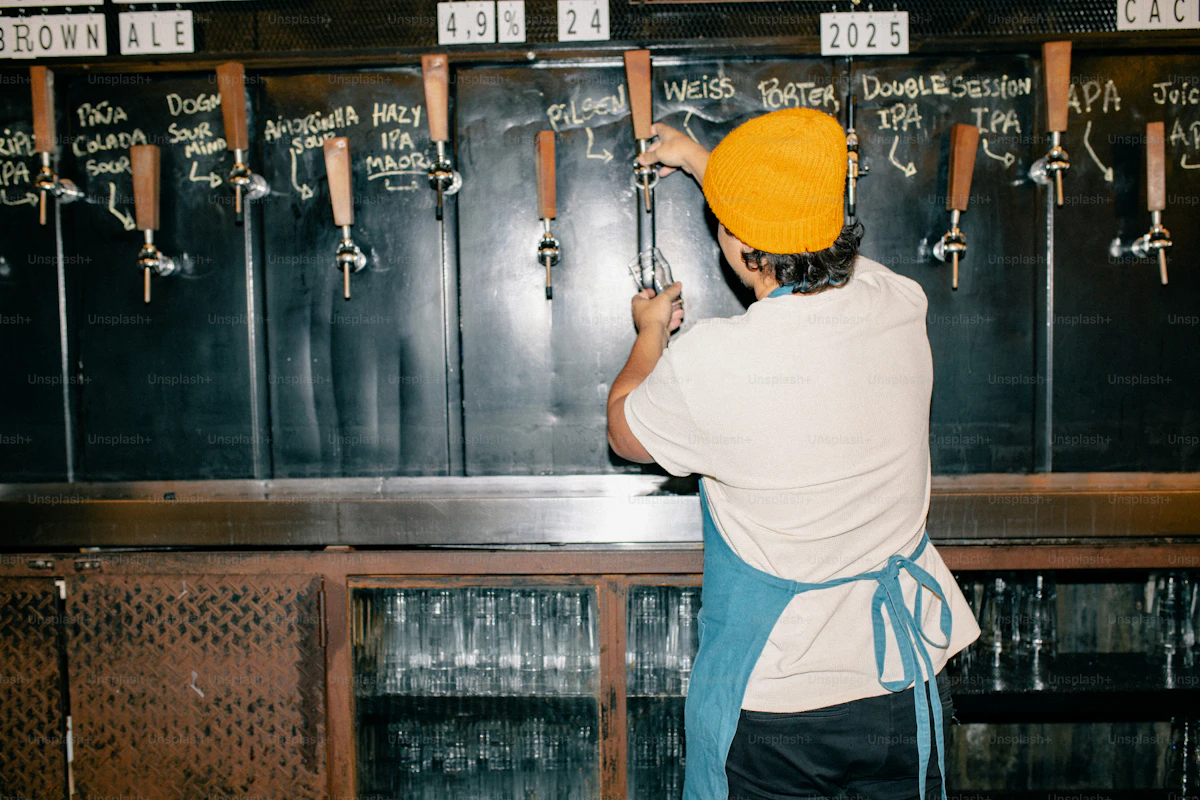
Czech Craft Beer Guide: Beyond Pilsner Urquell (2026)
Discover Prague's best craft breweries, taprooms, and beer gardens beyond Pilsner Urquell in 2026. Includes local favorites, beer etiquette, and a brewery map.
Prague Nightlife Guide 2026: Best Bars, Clubs, and Late-Night Spots
Find the best Prague nightlife in 2026 beyond the tourist pub crawls. Our guide covers cocktail bars, jazz clubs, techno venues, rooftop bars, and late-night eats.