Czech Craft Beer Guide: Beyond Pilsner Urquell (2026)
A nation that invented lager is now reinventing what beer can be
Powered by ITINE
Get this guide as a tappable itinerary
Day-by-day plan, audio tours, and one-tap Google Maps — completely free.

Destinations
Your Itinerary
Google Maps
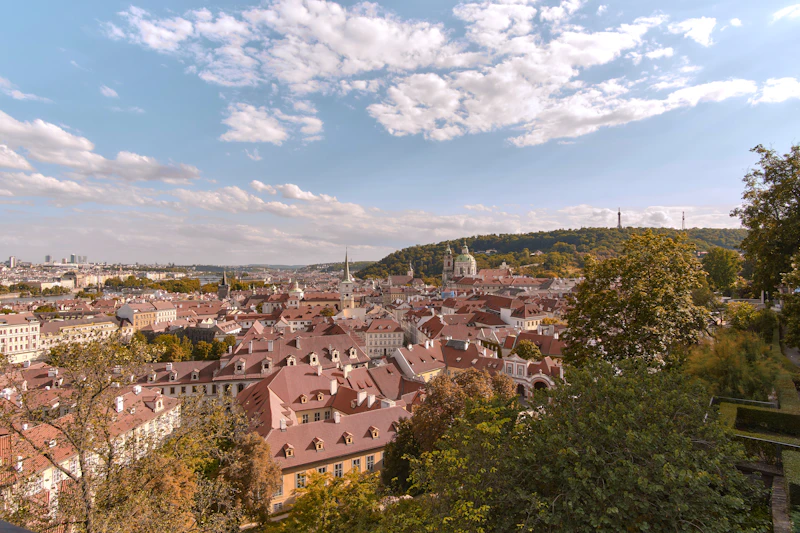
The Czech Republic consumes more beer per person than any country on the planet — roughly 128 litres per capita annually. That is not a typo. It is also not a recent development. Bohemia and Moravia have been brewing since at least the 10th century, and in 1842, a Bavarian brewer named Josef Groll created the world's first golden lager in the city of Plzeň, about an hour west of Prague. That beer became Pilsner Urquell, and it changed brewing forever. Every pale lager you have ever tasted exists because of what happened in that Bohemian brewhouse. So when you drink beer in Prague, you are drinking it in the place where modern beer was born. Act accordingly.
A Brief History of Czech Beer
Brewing rights in Bohemia were originally granted to individual towns by royal decree. By the 13th century, beer was so central to Czech life that King Wenceslas II threatened the death penalty for anyone caught exporting cuttings of Žatec (Saaz) hops — the aromatic, spicy hops that remain the backbone of Czech lager to this day. The Reinheitsgebot gets all the press, but Czech brewing traditions predate Bavaria's purity law by centuries. Czech beer was never bound by the same rigid rules, which is part of why the modern craft scene here feels less like a rebellion and more like a continuation.
The Communist era industrialised Czech brewing, consolidating hundreds of regional breweries into state-run operations. Quality suffered. After 1989, multinational corporations acquired many of the large breweries, and for a while it seemed like Czech beer might lose its soul entirely. But starting in the early 2000s, a new generation of brewers began opening microbreweries, reviving forgotten styles, and experimenting with techniques from the American and Belgian craft traditions — all while maintaining a deep respect for the Czech lager that started everything.
Understanding Czech Beer: The Basics
The Degree System
Czech beer is classified by degrees (stupně), which measure the original gravity of the wort — essentially the sugar content before fermentation, not the final alcohol percentage. A 10° beer is a light session lager (around 4% ABV). A 12° is the standard Czech pivo (roughly 5% ABV). A 14° or higher is a special/strong beer. When you see 'desítka' (ten) or 'dvanáctka' (twelve) on a menu, this is what they're referring to. Most Czechs drink desítka for session drinking and dvanáctka when they want something with more body.
Styles You'll Encounter
- Světlý ležák (pale lager) — the classic Czech beer. Golden, crisp, balanced between Saaz hop bitterness and bready malt sweetness. This is what most of the world calls 'pilsner,' and nowhere does it better than here.
- Tmavý ležák (dark lager) — a malt-forward dark beer that's smooth rather than roasty. Think caramel, bread crust, and dried fruit rather than the coffee-chocolate of a stout. Kozel Černý is the benchmark.
- Polotmavý (amber/half-dark) — a style unique to Czech brewing. Sits between pale and dark, with a toasty, slightly sweet character. Underappreciated and excellent.
- Nefiltrovaný (unfiltered) — many Czech breweries now serve unfiltered or tank-fresh versions of their lagers. Hazier, softer, with a fuller body and more complex yeast character.
- Kvasnicový (yeast beer) — lager dosed with fresh yeast before serving. Slightly cloudy with a distinctive bread-like flavour. The ultimate 'fresh' Czech beer experience.
- Řezaný (cut beer) — half pale, half dark lager in the same glass. A classic Czech pub order.
Czech Beer Etiquette
Drinking beer in Prague comes with unwritten rules that locals follow instinctively and tourists frequently violate. None of these will get you thrown out, but following them will earn you quiet respect from the bartender and your Czech drinking companions.
- Before the first sip, make eye contact with everyone at the table and say 'Na zdraví' (to health). Tap the bottom of your glass on the table before raising it. Not tapping is considered bad luck — or worse, bad manners.
- Never leave a full glass unattended. In Czech pub culture, an untouched full beer is a minor insult to the brewery that made it. If you can't finish it, don't order it.
- The foam (pěna) is sacred. Czech lager is poured to create a thick, creamy head — sometimes two to three fingers of it. This is not laziness or a rip-off. The foam protects the beer from oxidation and releases aroma. If your beer arrives without foam, the tap system is broken.
- Tipping — round up to the nearest 10 CZK or add 10%. Tell the server the total when paying rather than leaving coins on the table.
- Pace yourself the Czech way. Servers will mark tick lines on a beer mat (papírový tácek) each time they bring a round. They will also bring a new beer when your glass is nearly empty without asking. If you want to stop, place a beer mat on top of your glass.
- Beer is cheaper than water — literally. A half-litre of draught lager in a neighbourhood pub costs 40–55 CZK (under 2 EUR). Do not be alarmed by this. It is correct.
The Classic Lager Experience
Before diving into craft beer, you owe it to yourself to drink Czech lager the way it's meant to be drunk: fresh from a properly maintained tank, poured by a trained tapster, in a pub where the lines are cleaned daily and the beer has travelled no more than a few metres from keg to glass. The difference between a Pilsner Urquell from a tank in Prague and the same beer from a bottle abroad is so vast they might as well be different beverages. Start here. Understand what Czech brewing mastered over centuries before exploring what the craft brewers are doing with that foundation.
U Zlatého Tygra
Traditional Pub · Czech LagerHusova 17, Praha 1 (Staré Město)
Insider tip: The most famous pub in Prague, and it earns the reputation. Václav Havel brought Bill Clinton here. The Pilsner Urquell is tapped so perfectly that brewmasters use it as a reference. No reservations — just queue and share a table with strangers. Go on a weekday to avoid the worst crowds.
U Fleků
Historic Brewery · Dark LagerKřemencova 11, Praha 1 (Nové Město)
Insider tip: Continuously brewing since 1499 — one of the oldest brewpubs in the world. They make exactly one beer: a 13° dark lager that you cannot get anywhere else. Yes, it's touristy. Yes, accordion players will serenade you. Yes, the beer is genuinely excellent. Avoid the shots of Becherovka that servers push on every table — they're overpriced and will appear on your bill.
The Craft Beer Revolution
The Czech craft movement started later than its American and Scandinavian counterparts, but it's now producing some of the most interesting beer in Europe. What makes Czech craft unique is its dual nature: many of the best craft breweries still make world-class Czech-style lagers alongside their IPAs and sours. There is less of the 'lager is boring' attitude that plagued craft beer culture elsewhere. Czech craft brewers grew up drinking the best lager on earth — they have no reason to disrespect it. Instead, they treat it as a foundation to build on.
Key breweries driving the scene include Matuška (perhaps the country's most acclaimed craft brewery, based outside Prague in Broumy), Raven, Zichovec, Falkon, Clock, Sibeeria, and Zhůřák. Most of these distribute to Prague's better beer bars, and some have their own taprooms in the city.
In wine there is wisdom, in beer there is strength, in water there are bacteria.
— Czech proverb
Best Craft Beer Bars and Taprooms
<a href="https://www.zlycasy.eu/" target="_blank" rel="noopener noreferrer">Zlý Časy</a>
Craft Beer Bar · Multi-TapČestmírova 5, Praha 4 (Nusle)
Insider tip: Widely considered Prague's best craft beer bar. 48 taps rotating constantly, with a focus on Czech and European microbreweries. The atmosphere is no-nonsense — dim lighting, sticky tables, serious beer knowledge. The staff can guide you through anything on tap. Don't miss whatever Matuška beer they have on. Tram 11 to Čestmírova stop.
BeerGeek Bar
Craft Beer Bar · Bottle ShopVinohradská 62, Praha 3 (Vinohrady)
Insider tip: Part bar, part education centre. BeerGeek focuses on rare and limited-release craft beers, both Czech and international. The bottle selection is staggering — over 400 labels. The bartenders are walking encyclopaedias of beer. Great place to try Czech craft beers you won't find anywhere else. They host regular tap takeover events.
Pivovarský Klub
Beer Restaurant · Multi-TapKřižíkova 17, Praha 8 (Karlín)
Insider tip: A legendary Prague beer destination with 6 rotating taps, over 200 bottled beers, and a full food menu of elevated pub dishes. The grilled cheese with beer jam is absurdly good. This is where local beer nerds and casual drinkers overlap comfortably. The courtyard seating in summer is ideal.
Beyond the multi-tap bars, Prague also has brewpubs where you can drink house-brewed beer just metres from the tanks. These spots tend to be more neighbourhood-oriented and attract a loyal local crowd alongside visiting beer enthusiasts.
<a href="https://www.klasterni-pivovar.cz/en/" target="_blank" rel="noopener noreferrer">Klášterní pivovar Strahov</a> (Strahov Monastery Brewery)
Monastery Brewery · BrewpubStrahovské nádvoří 301, Praha 1 (Hradčany)
Insider tip: A working brewery inside a monastery complex near Prague Castle. They brew a solid pale lager (sv. Norbert), a dark lager, an amber, and seasonal specials — the IPA and wheat beer are surprisingly accomplished. The terrace has panoramic views over Prague's rooftops. Combine with a visit to the Strahov Library. Yes, it is a tourist spot. The beer is still very good.
Pivovar Bašta
Microbrewery · BrewpubSoběslavská 30, Praha 3 (Vinohrady)
Insider tip: A small neighbourhood microbrewery in Vinohrady making excellent Czech-style lagers and occasional experimental batches. The vibe is completely local — regulars at the bar, families eating Sunday lunch, zero tourists. Their 12° světlý ležák is among the best brewery-fresh lagers in Prague.
Beer Gardens and Outdoor Drinking
When the weather warms — from roughly April to October — Prague's beer gardens come alive. Czechs are outdoor drinkers by nature, and the city's parks, hilltops, and river embankments fill with temporary and permanent beer gardens that range from proper biergarten setups with grilled sausages to improvised benches around a kiosk in a park. Some of the best drinking in Prague happens outdoors, with a plastic cup of fresh lager, no menu, and a view that would cost 15 EUR in any other European capital. Beer gardens are at their best from 16:00 to 21:00 in summer — arrive before 17:00 to claim a good seat with a view. Most close by 22:00 or 23:00. Sunset over Prague from Letná beer garden with a cold desítka is one of the best free experiences in European travel.
- Letná Beer Garden (Letenské sady) — perched on the bluff above the Vltava, with the most iconic view in Prague: the river, its bridges, and the Old Town skyline. Draught Gambrinus or Budvar for under 50 CZK. This is where Prague drinks on summer evenings. No reservations needed — just find a bench.
- Riegrovy sady Beer Garden (Vinohrady) — a sprawling park beer garden with a giant screen for sporting events, excellent Staropramen tank beer, and a mixed crowd of locals and expats. Weekend afternoons here are a Prague summer rite of passage.
- Náplavka Riverbank (Nové Město) — the embankment bars along the Vltava serve beer from various breweries in a riverside setting. Open from spring through autumn. Combine with the Saturday farmers' market.
- Vyšehrad Gardens — the ancient fortress above the Vltava has a small beer stand with views that compete with Prague Castle. Far fewer tourists. Bring a blanket.
- Žižkov TV Tower surroundings — several casual beer spots cluster around the base of Prague's most divisive building. Very local, very Žižkov. See our Žižkov neighborhood guide for more on this pub-filled district.
The Beer Spa Experience
Yes, the beer spa is a real thing, and no, it is not entirely a tourist gimmick — though it is certainly marketed that way. The concept: you soak in a wooden tub filled with warm water, hops, brewer's yeast, and malt extract while drinking unlimited beer from a tap mounted to the side of the tub. The yeast and hops are genuinely good for your skin (B vitamins, antioxidants), and the warm soak combined with slow beer consumption is undeniably relaxing. Is it an essential Prague experience? That depends entirely on your sense of humour and your enthusiasm for beer.
The original and best-known is Beer Spa Bernard (Žitná 9, Nové Město), which uses beer from the Bernard brewery — one of the Czech Republic's finest independent lager producers. Sessions run about 30 minutes in the tub, followed by time on a heated bed of wheat straw. It costs around 1,800–2,500 CZK per person depending on the package. Book well in advance, especially for weekend slots. Other beer spas exist around Prague, but Bernard's is the most reputable. If the beer spa feels too novelty-oriented for your taste, consider spending that 2,000 CZK on a brewery tour and tasting instead — Pivovar Matuška in Broumy (45 minutes from Prague by bus) offers tours by appointment that include tastings of their full lineup, consistently rated among the best beers in the country.
What to Order: A Practical Guide
Walking into a Prague beer bar with 30+ taps can be overwhelming, especially when half the labels are in Czech. Here's a framework for navigating any beer menu in the city, whether it's a traditional hospoda with two taps or a craft bar with fifty.
If You're New to Czech Beer
- Start with a classic: order a Pilsner Urquell from a tank (tankové pivo), or a Budějovický Budvar 12°. These are the benchmarks. If you don't understand why these beers are special, nothing else will make sense.
- Try a tmavé (dark lager). Kozel Černý or U Fleků's house dark are excellent introductions. Czech dark lager is nothing like stout — it's smooth, caramelly, and remarkably drinkable.
- Move to an unfiltered lager (nefiltrovaný). The added yeast character and softer texture often converts people who think they don't like lager.
- Then explore craft: start with a Czech-style pale ale or a session IPA from a Czech brewery. Matuška Raptor IPA is a modern classic — hoppy but balanced.
If You Know Your Beer
- Seek out Matuška's full range — their California (West Coast IPA), Apollo (galaxy-hopped pale ale), and Černá Raketa (black IPA) are all world-class.
- Try Raven's experimental sours and barrel-aged beers. They push boundaries while maintaining drinkability.
- Zichovec makes exceptional IPAs and pastry stouts that hold their own against Scandinavian heavy-hitters.
- Ask for the house 'speciál' at any brewpub — these limited-release beers are usually the brewer's passion project and almost always interesting.
- Don't skip the kvasnicový (yeast lager) if it's available — it's a style you almost never find outside Czechia, and it represents a uniquely Czech contribution to beer.
Beyond Prague: Day Trip Breweries
Some of the best Czech beer is brewed outside Prague, and a day trip to a regional brewery is one of the most rewarding experiences the country offers. Plzeň (Pilsen) is the obvious choice — the Pilsner Urquell brewery tour includes a visit to the original 19th-century cellars and a glass of unfiltered, unpasteurised lager drawn straight from an oak barrel. It tastes like no Pilsner you have ever had. The trip takes about an hour by train from Praha hlavní nádraží.
- Pilsner Urquell Brewery, Plzeň — the birthplace of pilsner. Tours run daily and the cellar tasting is unforgettable. 1 hour by train.
- Pivovar Matuška, Broumy — Czech craft royalty. Small brewery, big reputation. Book a tour in advance. 45 minutes by bus.
- Pivovar Kout na Šumavě — a revived medieval brewery making some of the most traditional Czech lagers in the country. Worth the 2-hour drive for serious lager enthusiasts.
- Bernard Brewery, Humpolec — the independent brewery behind some of Czechia's finest lagers. Factory tours available. 1.5 hours by bus.
Beer and Food Pairings, the Czech Way
Czechs don't fuss over beer pairings the way wine cultures fuss over vintages, but there are natural combinations that centuries of simultaneous beer and food consumption have refined into something close to perfection. For a deeper dive into Czech cuisine beyond the pub, see our Prague food guide.
- Svíčková + světlý ležák 12° — the bright, slightly bitter lager cuts through the cream sauce beautifully. This is the canonical pairing.
- Smažený sýr + desítka (10°) — light lager with fried cheese. The lower alcohol lets you eat more cheese and drink more beer. Czech mathematics.
- Tatarák + tmavý ležák — the malty sweetness of dark lager complements raw beef's richness. Surprisingly elegant.
- Utopenci + any lager — pickled sausages exist specifically to make you want another beer. They work with everything.
- Guláš + polotmavý (amber) — the caramel notes in half-dark lager mirror the deep, paprika-rich flavours of goulash.
- Ovocné knedlíky + wheat beer — if a craft bar has a Czech wheat beer on tap, pair it with fruit dumplings for a dessert combination that will ruin you for all other dessert pairings.
Practical Tips for Beer Drinking in Prague
- Draught beer is always better and cheaper than bottled in Czech pubs. Always order from the tap if available.
- The Czech beer scene is cash-friendly — many traditional pubs still don't accept cards, though this is changing. Carry some CZK.
- Don't order a 'Budweiser' expecting the American version. In Czechia, Budweiser means Budějovický Budvar — a completely different and significantly better beer.
- Czech pubs typically open from 11:00 and serve until 23:00–01:00. Craft beer bars tend to open later, around 14:00–16:00.
- If you see 'tankové pivo' (tank beer) advertised, order it. This means the beer was delivered in unpasteurised tanks rather than kegs, giving it a fresher, more nuanced flavour.
- Many craft beer bars offer sample sizes (ochutnávka, usually 0.15L) — use them to try before committing to a full pour.
A Self-Guided Prague Beer Crawl
For the committed beer enthusiast, here is a one-day route through Prague's drinking landscape that covers traditional and craft, lager and ale, historic pub and modern taproom. Start in the afternoon and pace yourself — this is a marathon, not a sprint.
- 14:00 — Start at Strahov Monastery Brewery for a sv. Norbert lager and the terrace view. One beer to warm up.
- 15:30 — Walk downhill through Malá Strana to U Zlatého Tygra for a perfectly poured Pilsner Urquell. Have one, possibly two. Absorb the atmosphere.
- 17:00 — Metro to Karlín. Hit Pivovarský Klub for two half-pours of whatever's interesting on tap, plus their beer snack board.
- 19:00 — Tram to Zlý Časy in Nusle. This is the main event. Three to four small pours across their rotating taps. Ask the staff what's new from Matuška or Raven.
- 21:30 — If still standing, tram to BeerGeek in Vinohrady for a nightcap from their bottle selection. Something barrel-aged. Something you can't get at home.
- 23:00 — Stumble to any Vinohrady kebab shop. You've earned it. For more late-night options, check our Prague nightlife guide.
Final Thoughts
Czech beer culture is not a tourist attraction — it is a living, breathing tradition that happens to welcome visitors with open arms and cheap prices. The best advice is the simplest: drink what the locals drink, drink where the locals drink, and drink at the pace the locals drink (which is to say, steadily but without rushing). Whether you're standing at Letná beer garden watching the sun set over the Vltava with a 45 CZK lager in hand, or sitting in a Nusle craft bar working through a flight of sours that would rival anything in Brussels, you're participating in something that matters deeply to the people who live here. Respect it, enjoy it, and remember — in Prague, there is always time for one more beer. Na zdraví.
Frequently Asked Questions
Pilsner Urquell (Plzeňský Prazdroj) is the most widely drunk beer in Prague and the original pilsner — created in 1842 in Plzeň, about an hour west of Prague. For the best experience, order it from a tank (tankové pivo) at a pub like U Zlatého Tygra or Lokál Dlouhááá. The difference from the bottled version is dramatic.
A half-litre of draught lager in a neighbourhood pub costs 40–55 CZK (under 2 EUR). Tourist-area pubs charge 70–120 CZK. Craft beer bars range from 55–120 CZK depending on the style. Beer is genuinely cheaper than bottled water in most Prague pubs.
Czech beer degrees (stupně) measure the original gravity of the wort — the sugar content before fermentation, not the alcohol percentage. A 10° (desítka) is a light session lager around 4% ABV. A 12° (dvanáctka) is the standard at roughly 5% ABV. Higher numbers mean stronger beer.
Tank beer is unpasteurised lager delivered directly from the brewery in sealed tanks rather than kegs. It has a fresher, more nuanced flavour with a softer texture and more complex yeast character. If you see 'tankové pivo' advertised, always order it. Lokál Dlouhááá receives fresh Pilsner Urquell tanks every few days.
Zlý Časy in Nusle is widely considered Prague's best craft beer bar — 48 rotating taps with a focus on Czech and European microbreweries. BeerGeek in Vinohrady specializes in rare and limited-release bottles. Pivovarský Klub in Karlín offers 200+ bottled beers with good pub food.
Yes. The Strahov Monastery Brewery brews its own sv. Norbert range — a pale lager, dark lager, amber, and seasonal specials — inside a working monastery near Prague Castle. The terrace has panoramic views over Prague's rooftops. Combine it with a visit to the Strahov Library. The amber lager is not available anywhere else.
Hold up fingers for the number of beers. Say 'malé pivo' for a small (0.3L) or 'velké pivo' for a large (0.5L). For dark beer, say 'tmavé.' Before drinking, make eye contact, say 'Na zdraví,' and tap the bottom of your glass on the table. Place a coaster on your glass when you want to stop — servers will otherwise keep bringing refills.
U Fleků has been brewing continuously since 1499 — one of the oldest brewpubs in the world. They make exactly one beer: a 13° dark lager available nowhere else. Yes, it is touristy and accordion players will serenade you. The beer is genuinely excellent. Avoid the shots of Becherovka that servers push on tables — they are overpriced.
Czech dark lager (tmavý ležák) is smooth and malt-forward with flavours of caramel, bread crust, and dried fruit. It is nothing like the roasty, coffee-chocolate character of a stout. Czech dark beer is remarkably drinkable and lighter in body. Kozel Černý is the classic benchmark to try.
The beer spa is a real experience — soaking in a warm tub with hops, yeast, and malt extract while drinking unlimited beer. Beer Spa Bernard (1,800–2,500 CZK) uses excellent Bernard brewery beer and is the most reputable. The yeast is genuinely good for skin. It is fun and relaxing, though not essential — if the price feels steep, spend it on a brewery tour instead.
Yes. The Pilsner Urquell brewery in Plzeň (Pilsen) is about an hour by train from Prague. Tours run daily and include a visit to the original 19th-century cellars and a glass of unfiltered, unpasteurised lager drawn from an oak barrel. It tastes like no Pilsner you have ever had.
Matuška is arguably the country's best craft brewery — their Raptor IPA and California are world-class. Also seek out Raven (experimental sours), Zichovec (excellent IPAs and pastry stouts), Falkon, and Clock. Most distribute to Prague's better beer bars.
Letná Beer Garden has the most iconic view — five bridges stretching across the Vltava with the Old Town skyline behind. Beer costs under 50 CZK. Riegrovy sady in Vinohrady offers a Castle panorama and a big screen for sporting events. Both are seasonal (April–October) and overwhelmingly local.
Many traditional pubs still prefer cash, though this is gradually changing. Craft beer bars generally accept cards. Always carry some Czech koruna when visiting neighbourhood pubs and beer gardens. The tab system is common — the server tracks your drinks on a paper slip and you settle up when leaving. Do not lose this slip.
Svíčková with a 12° pale lager is the canonical pairing. Smažený sýr (fried cheese) with a desítka (10°) is the Czech guilty pleasure. Utopenci (pickled sausages) exist specifically to make you want another beer. For craft pairings, our food guide covers the full range.
Traditional pubs typically open from 11:00 and serve until 23:00–01:00. Craft beer bars tend to open later, around 14:00–16:00, and close by midnight or 1 AM. Beer gardens are seasonal and usually close by 22:00–23:00. After midnight, night trams run every 30 minutes to get you home.
Tereza Nováková
Food & Culture Journalist · Karlín, Prague
Tereza is a Prague-based food and culture journalist whose work has appeared in Czech Hospodářské noviny and The Forkful. She covers the Czech culinary scene from traditional hospoda kitchens to new-wave tasting menus, and organizes seasonal food walks through Prague's markets.