The Ultimate Prague Food Guide 2026: Czech Cuisine and Beyond
From hearth-heavy classics to a quietly rebellious dining scene
Powered by ITINE
Get this guide as a tappable itinerary
Day-by-day plan, audio tours, and one-tap Google Maps — completely free.

Destinations

Your Itinerary
Google Maps
Prague is a city where you can eat svíčková for lunch, phở for dinner, and a větrník for a midnight snack — and none of it will cost you more than what a single mediocre meal costs in most Western European capitals.
— Prague Itinerary
There is a stubborn myth that Czech cuisine is nothing more than meat, dumplings, and beer. The people who repeat it have either never been to Prague or they ate exclusively within a two-block radius of Old Town Square. The truth is far more interesting. Czech food is rooted in Central European peasant cooking — heavy, soulful, designed to sustain people through brutal winters — but Prague's dining scene has spent the last decade quietly evolving into something that deserves serious attention. The old dishes are still here, done properly by the places that care. And alongside them, a generation of chefs is building something new without pretending the past doesn't exist.
Understanding Czech Cuisine
Czech cooking shares DNA with Austrian, German, and Slovak kitchens, but it has its own particular soul. The flavour palette leans on caraway, marjoram, garlic, and dill. Cream sauces are thickened with roux, not reduced. Bread dumplings (houskové knedlíky) are not the dense cannonballs you might fear — when made properly, they are light, slightly springy, and exist to soak up sauce like edible sponges. The cuisine respects lard the way the French respect butter. If that frightens you, Czech food may not be your calling. If it excites you, read on.
The Essential Czech Dishes
Svíčková na smetaně — The National Dish
If Czech cuisine had a single ambassador, it would be svíčková. Beef sirloin is marinated and slow-braised, then served with a creamy root vegetable sauce, bread dumplings, a spoonful of cranberry compote, and a dollop of whipped cream. Yes, whipped cream on meat. It sounds wrong until you taste it — the tang of cranberry, the richness of the sauce, and the faint sweetness of cream create a combination that is deeply, unreasonably satisfying. Every Czech grandmother has her own version, and every Czech person will tell you their grandmother's is the best. The quality varies wildly across Prague's restaurants. A good svíčková has a sauce that is silky and complex, not gluey. The meat should yield to a fork without falling apart.
Vepřo-knedlo-zelo — The Holy Trinity
Roast pork, dumplings, and sauerkraut. The name is a contraction that Czechs rattle off like a single word. This is the Sunday lunch of the nation, the dish that fills the air in hospoda (pub-restaurants) across the country. The pork should have a crackling crust and meltingly tender flesh. The sauerkraut is braised slowly, often with a pinch of caraway and sugar. The dumplings are there to bridge everything together. It is not delicate food. It is not trying to be. Order it with a Kozel dark lager — our Czech craft beer guide covers the full range of brews worth trying — and understand why Czechs are the happiest beer-drinking people in Europe.
Kulajda — The Soup You Didn't Know You Needed
A creamy, dill-laced soup made with potatoes, wild mushrooms, and a poached egg floating on top, finished with a splash of vinegar that cuts through the richness. Kulajda is the dish that converts sceptics. It tastes like a forest in autumn. Many traditional restaurants serve it as a starter, and you should order it every single time it appears on a menu. The best versions use fresh forest mushrooms rather than cultivated ones — you can taste the difference.
The Trdelník Debate
Let's address this directly. Trdelník — the spiral-wound chimney cakes you see on every tourist street, often stuffed with ice cream and Nutella — is not a traditional Czech food. It is Slovak and Hungarian in origin, and it arrived in Prague's Old Town as a tourist attraction in the early 2000s. No Czech person grew up eating trdelník from their grandmother's kitchen. That said, is it delicious when freshly baked, dusted with cinnamon and sugar, eaten warm on a cold winter night? Absolutely. Just don't call it traditional Czech cuisine in front of a local unless you enjoy watching someone's eye twitch involuntarily.
More Dishes to Seek Out
- Smažený sýr — deep-fried Edam cheese with tartar sauce and fries. The Czech equivalent of a guilty pleasure, eaten everywhere from pubs to late-night stands. Better than it has any right to be.
- Bramboráky — crispy potato pancakes seasoned with garlic and marjoram. Best from market stalls or country-style restaurants.
- Guláš — Czech goulash is thicker and less paprika-forward than Hungarian versions, served in a bread bowl at tourist spots but on a proper plate with dumplings where locals eat.
- Tatarák — raw beef tartare, served with toast, raw garlic, and onions. Czechs eat an astonishing amount of tartare. It is practically a pub snack here.
- Utopenci — pickled sausages in vinegar with onions and peppers. The classic beer snack. The name means 'drowned men.'
- Ovocné knedlíky — fruit dumplings filled with strawberries, plums, or blueberries, doused in melted butter, sugar, and fresh quark. A main course, not a dessert, in Czech tradition.
Where to Eat: Budget (Under 250 CZK)
Prague remains genuinely affordable for food if you know where to look. The secret weapon is the polední menu (daily lunch menu), offered by most non-tourist restaurants between 11:00 and 14:00. For 120–180 CZK, you get a soup and a main course. These menus change daily, are written on chalkboards in Czech, and represent some of the best-value eating in any European capital. Use the website 'meníčka.cz' to search lunch specials by neighbourhood.
Krčma
Traditional Czech · BudgetKostečná 925/4, 110 00 Praha 1-Staré Město
Insider tip: The medieval-cellar atmosphere is touristy, but the food is honest and portions are enormous. The roast duck leg with red cabbage and potato dumplings is a reliable order.
Lokál Dlouhááá
Modern Czech Pub · Budget–MidDlouhá 731/33, 110 00 Praha 1-Staré Město
Insider tip: Run by the Ambiente group, <a href="https://lokaldlouha.ambi.cz/en" target="_blank" rel="noopener noreferrer">Lokál</a> revived the Czech hospoda concept with properly tapped Pilsner and classic dishes made with genuine care. The svíčková here is one of the best in central Prague. Arrive before noon or expect to wait.
U Kurelů
Traditional Czech · BudgetNa Hrobci 267/1, 128 00 Praha 2-Nové Město
Insider tip: A no-frills neighbourhood spot near Náplavka where Czech office workers pack in for lunch specials. The daily rotating menu is always solid, and the goulash is a constant that never disappoints.
Where to Eat: Mid-Range (250–600 CZK)
Prague's mid-range is where the dining scene truly shines. These are restaurants that take their craft seriously without the stiffness of fine dining. Expect creative interpretations of Czech classics, quality sourcing, and wine lists that actually make an effort. Most require reservations for dinner, especially on weekends.
Eska
Modern Czech · Mid-RangePernerova 49, 186 00 Praha 8-Karlín
Insider tip: Eska ferments, smokes, and bakes almost everything in-house in Karlín's converted industrial spaces. Their sourdough bread is legendary. The fermented vegetable dishes alone justify a visit. The lunch crowd skews creative-professional; dinner is more relaxed.
Café Savoy
Czech-French Brasserie · Mid-RangeVítězná 124/5, 150 00 Praha 5-Smíchov
Insider tip: Beneath a restored Neo-Renaissance ceiling, Café Savoy serves elevated Czech and French cooking with an in-house bakery that produces some of the best pastries in Prague. Weekend brunch here is an institution. Book ahead or arrive at opening.
Where to Eat: Fine Dining
Prague's fine dining scene has matured enormously. A handful of restaurants now hold Michelin stars and Bib Gourmand designations, and the broader top tier is producing food that holds its own against any Central European capital. Expect tasting menus between 2,000 and 4,500 CZK — roughly 100 to 180 EUR, which is about half what comparable restaurants charge in Western Europe. Lunch tasting menus, where offered, are even more affordable. This is one of the best fine-dining value propositions on the continent.
Field
Modern European · Fine DiningU Milosrdných 12, 110 00 Praha 1-Staré Město
Insider tip: Michelin-starred Field focuses on hyper-seasonal Czech ingredients — wild game, freshwater fish, foraged herbs — presented with Scandinavian-influenced precision. The wine pairing is worth the supplement. Book at least two weeks ahead.
La Degustation Bohême Bourgeoise
Czech Tasting Menu · Fine DiningHaštalská 18, Praha 1 (Staré Město)
Insider tip: Prague's original Michelin star, La Degustation reinterprets historic Czech recipes from old cookbooks into a multi-course tasting experience. This is where Czech cuisine proves it can stand with any tradition in the world. The pairing with Czech wines is revelatory.
Street Food and Quick Eats
Prague's street food scene is unpretentious and satisfying. Forget the overpriced sausage stands in the tourist centre — the real action happens at farmers' markets, neighbourhood kiosks, and late-night windows. Czech street food is designed for people who have been drinking beer and need something substantial at 11 PM, which tells you everything about its character.
- Klobásy (grilled sausages) — best from the stands at Náplavka farmers' market or Jiřího z Poděbrad market. Skip Old Town Square entirely.
- Chlebíčky — open-faced sandwiches on baguette slices, topped with combinations of potato salad, ham, egg, and pickles. Find them at Sisters in the Dlouhá street area or any traditional lahůdky (deli).
- Párek v rohlíku — a hot dog inside a hollowed-out bread roll, mustard squirted in first. The authentic Czech fast food, found at kiosks everywhere for 30–40 CZK.
- Bramboráky — crispy garlic potato pancakes. Market stalls fry them to order.
- Trdelník — yes, it's not Czech, but the ones from the wood-fired stands on Kampa Island are better than the tourist-trap versions elsewhere.
Food Markets
Náplavka Farmers' Market
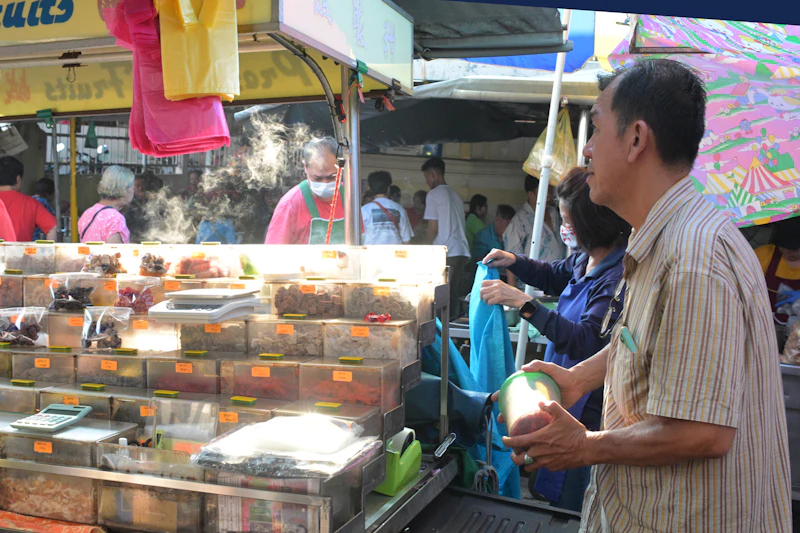
Every Saturday morning year-round, the riverbank embankment (náplavka) along the Vltava in Nové Město transforms into Prague's best farmers' market. Local producers sell seasonal vegetables, artisan cheeses, smoked meats, fresh bread, honey, and prepared foods. The atmosphere is entirely local — you will hear almost no English here. Arrive before 10:00 for the best selection, or come at 11:00 when the food stalls hit their stride and the coffee is flowing. In summer, the adjacent riverbank bars open and the whole scene becomes an all-day Saturday affair.
Other Markets Worth Visiting
- Jiřího z Poděbrad (Vinohrady) — Saturday farmers' market in front of the Church of the Most Sacred Heart. Smaller than Náplavka but deeply neighbourhood-focused with excellent prepared food stalls.
- Manifesto Market (Smíchov) — a curated collection of food vendors in a permanent structure near Anděl. Skews international — Korean, Mexican, Vietnamese. Good for when you want a break from Czech cuisine.
- Hala 22 (Holešovice) — inside the Prague Market complex. A food hall with rotating vendors, strong coffee, and an industrial-chic atmosphere that captures Holešovice's creative energy.
Vegetarian and Vegan Prague
Czech cuisine was historically not kind to vegetarians. A traditional restaurant might offer smažený sýr (fried cheese) as the sole non-meat option. But Prague has changed dramatically. The city now has a genuinely strong plant-based dining scene, driven partly by health-conscious younger Czechs and partly by the city's international residents. You will eat well here without meat if you know where to look. Useful phrases: say 'Jsem vegetarián/vegetariánka' (I'm vegetarian, masc/fem) or 'Bez masa' (without meat). Be aware that Czech 'vegetarian' dishes sometimes contain lard in the dumplings or bacon in the sauerkraut — if you are strict, ask 'Je v tom sádlo?' (Is there lard in it?).
- Etnosvět (Vinohrady) — globally inspired vegetarian cuisine in a warm, colourful space on Náměstí Míru. The lunch buffet is outstanding value.
- Dhaba Beas — a chain of self-service vegetarian Indian restaurants scattered across Prague. Pay by weight. Absurdly cheap, reliably good, and open late.
- Maitrea (Staré Město) — an upscale vegetarian restaurant near Old Town Square that proves meat-free dining can be elegant. The mushroom risotto rivals any in the city.
- Момо (Karlín) — modern pan-Asian vegetarian bowls and curries with genuine spice levels.
- Lehká Hlava (Staré Město) — 'Clear Head' in Czech. A long-standing vegetarian institution in a beautifully decorated medieval cellar.
Eating Etiquette and Practical Tips
- Tipping — round up or leave 10%. Don't leave coins on the table; tell the server the total you want to pay when they bring the bill. Say the amount including tip as you hand over payment.
- Bread on the table — if a basket of bread appears without you ordering it, you will be charged per piece. This is standard, not a scam. Just don't touch it if you don't want to pay.
- Reservations — essential for mid-range and fine dining on weekends. Lunch at budget spots is first-come, first-served.
- Lunch timing — polední menu (lunch specials) are served roughly 11:00–14:00. Some popular spots run out of the best dishes by 12:30.
- Service style — Czech service is not unfriendly, just efficient. Don't mistake directness for rudeness. Servers won't check on you every five minutes, and that's a feature, not a bug.
- Water — tap water is safe and excellent in Prague, but most restaurants will bring bottled water unless you specifically ask for 'kohoutkovou vodu' (tap water).
- Tourist traps — avoid any restaurant on Old Town Square with a person aggressively recruiting outside. Avoid menus with photos of every dish, menus in six languages, and prices not clearly displayed. If you see 'Czech Traditional Restaurant' in English on the awning and it's within 200 metres of the Astronomical Clock, keep walking.
The Best Food Neighbourhoods
Karlín — The New Epicentre
Once a flood-damaged district written off by most, Karlín is now Prague's most exciting food neighbourhood. The 2002 floods forced a complete rebuild, and what emerged is a district of converted industrial spaces, young professionals, and ambitious restaurants. Eska, Můj Šálek Kávy (one of Prague's best specialty coffee roasters), and a string of excellent brunch spots along Křižíkova street make this a full-day eating destination.
Vinohrady — Elegant and Reliable
Prague's most liveable neighbourhood is also excellent for dining — read our Vinohrady neighbourhood guide for the full picture. The streets around Náměstí Míru and Manesova are lined with wine bars, bistros, and restaurants that cater to a local crowd. Vinohrady is particularly strong for brunch culture and international cuisine — you'll find excellent Italian, Georgian, and Middle Eastern food here alongside modern Czech cooking.
Žižkov — Unpretentious and Cheap
Žižkov remains Prague's most authentically working-class neighbourhood, and its food scene reflects that. This is where you go for 120 CZK lunch menus, old-school hospody with wood-panelled interiors and regulars who have been sitting on the same barstools for decades, and a growing number of interesting small restaurants opened by young chefs who can't yet afford Karlín rents. The area around the base of the TV Tower is particularly dense with good options.
Czech Desserts and Sweet Things
Czech desserts are underappreciated. Beyond the tourist trdelník stands, there is a rich tradition of pastries, cakes, and sweet dishes that deserves attention. Visit any proper cukrárna (sweet shop) or pekárna (bakery) and you'll find a world of flavours built on poppy seeds, quark cheese, plum jam (povidla), and seasonal fruits.
- Větrník — a choux pastry ring filled with vanilla cream and topped with caramel glaze. The Czech answer to profiteroles, and arguably better.
- Medovník — a multi-layered honey cake with cream filling that tastes like autumn distilled into a slice.
- Buchty — soft, pillowy buns filled with poppy seed paste, plum jam, or tvaroh (fresh cheese). Best from local bakeries, not supermarkets.
- Štrúdl (strudel) — the Czech version uses a thinner dough than Austrian strudel, with apple-and-raisin or cherry fillings.
- Lívance — small, thick pancakes served with blueberry compote and whipped cream. A traditional sweet lunch dish.
Vietnamese Food in Prague
No honest guide to Prague food can ignore the Vietnamese community's enormous contribution. Czechia has one of the largest Vietnamese diaspora populations in Europe, a legacy of Cold War-era agreements between Czechoslovakia and Vietnam. The result is that phở, bánh mì, and Vietnamese home cooking are woven into Prague's food fabric in a way that feels completely organic. Czech people eat Vietnamese food with the same casualness that Londoners eat Indian food. Many of the best Vietnamese spots are unassuming places in residential neighbourhoods or market halls, and they serve food that rivals anything you'd find in Berlin or Paris.
Final Thoughts
Eating well in Prague requires only two things: the willingness to walk a few blocks beyond the tourist centre, and enough curiosity to point at something on a Czech-only menu and see what arrives. The city rewards adventurous eaters disproportionately. From a 130 CZK lunch special in a Žižkov hospoda to a 3,500 CZK tasting menu at a Michelin-starred table in Staré Město, Prague's food scene has depth, character, and a stubborn authenticity that resists the homogenisation creeping into so many European cities. Eat here with an open mind and an empty stomach. You will not be disappointed.
Frequently Asked Questions
Svíčková na smetaně — braised beef sirloin in a creamy root vegetable sauce with bread dumplings, cranberry compote, and whipped cream. It is the Czech national dish and every restaurant does it differently. Lokál Dlouhááá serves one of the best versions in central Prague for under 250 CZK.
Follow three rules: never eat at a restaurant with someone standing outside recruiting customers, avoid menus with photos of every dish and prices in six languages, and walk at least two blocks from any major landmark before choosing a restaurant. Prices drop by half and quality doubles.
The polední menu is a daily lunch special offered by most non-tourist restaurants between 11:00 and 14:00. For 120–180 CZK you get a soup and a main course. Menus change daily and are written on chalkboards in Czech. Use meníčka.cz to search lunch specials by neighbourhood — it is the best budget hack in Prague.
Yes, though traditional Czech cuisine is meat-heavy. Prague now has a strong plant-based dining scene. Etnosvět in Vinohrady, Maitrea near Old Town Square, and Lehká Hlava in Staré Město are all excellent. Be aware that Czech dumplings sometimes contain lard — ask 'Je v tom sádlo?' (Is there lard in it?) if you are strict.
No. Trdelník is Slovak and Hungarian in origin and arrived in Prague's tourist areas in the early 2000s. No Czech grew up eating it. A freshly baked one is genuinely delicious, but calling it traditional Czech food in front of a local will earn you a look. Real Czech street sweets include koláče, palačinky, and langoše.
Budget meals cost 130–220 CZK (lunch specials, pub food). Mid-range restaurants run 250–600 CZK per main course. Fine dining tasting menus range from 1,500 to 4,000 CZK. A half-litre of draught beer is 45–75 CZK at most pubs. Prague remains one of the best-value food cities in Europe.
Tip 10% at sit-down restaurants. Do not leave coins on the table — tell the server the total you want to pay when settling the bill. At casual spots, simply round up to the nearest 10 CZK. Czech service is direct and efficient — do not mistake it for rudeness.
Before the first sip, make eye contact and say 'Na zdraví' (cheers). Tap your glass bottom on the table first. The thick foam head on Czech beer is intentional — it protects the beer and is considered essential. Servers will bring a new beer when your glass is nearly empty; place a coaster on top to signal you are done. See our Czech craft beer guide for more.
The Saturday market along the Vltava embankment sells grilled klobásy (sausages), artisan cheeses, fresh bread, and seasonal produce. The smoked meat stalls are excellent, and there are usually two or three coffee vendors. Arrive before 10:00 for the best selection or at 11:00 when food stalls hit their stride.
Lokál Dlouhááá serves a textbook version with tank Pilsner. Kantýna offers a more refined take paired with Moravian wines. For fine dining reinterpretation, La Degustation Bohême Bourgeoise deconstructs it in their tasting menu. Each offers a different window into the same beloved dish.
No. If a basket of bread appears without you ordering it, you will be charged per piece. This is standard practice in Czech restaurants, not a scam. Simply do not touch the bread if you do not want to pay for it.
Karlín is Prague's most exciting food neighbourhood in 2026, home to Eska, Můj Šálek Kávy, and a string of excellent brunch spots. Vinohrady is strong for wine bars and international cuisine. Žižkov is the cheapest, with 120 CZK lunch menus at old-school pubs.
Yes. Prague's tap water is safe and excellent. However, restaurants will bring bottled water unless you specifically ask for 'kohoutkovou vodu' (tap water). Carrying a refillable water bottle saves money — bottled water at restaurants costs 40–80 CZK.
Visit a neighbourhood cukrárna (sweet shop) for větrníky (choux pastry with caramel), medovník (honey cake), and koláče (filled pastries). Cukrárna Myšák on Vodičkova is a classic Prague institution. For fruit dumplings (ovocné knedlíky), look for them on traditional restaurant menus — they are a main course, not a dessert.
Very. Czechia has one of the largest Vietnamese diaspora populations in Europe, and phở, bánh mì, and Vietnamese home cooking are deeply woven into Prague's food culture. Czechs eat Vietnamese food as casually as Londoners eat Indian food. The best spots are in residential neighbourhoods away from the tourist centre.
Deep-fried Edam cheese served with tartar sauce and fries — the Czech equivalent of a guilty pleasure. It is better than it has any right to be, found everywhere from pubs to late-night street stands. Order it with a cold desítka (10° light lager) for the authentic experience.
Tereza Nováková
Food & Culture Journalist · Karlín, Prague
Tereza is a Prague-based food and culture journalist whose work has appeared in Czech Hospodářské noviny and The Forkful. She covers the Czech culinary scene from traditional hospoda kitchens to new-wave tasting menus, and organizes seasonal food walks through Prague's markets.
You might also enjoy
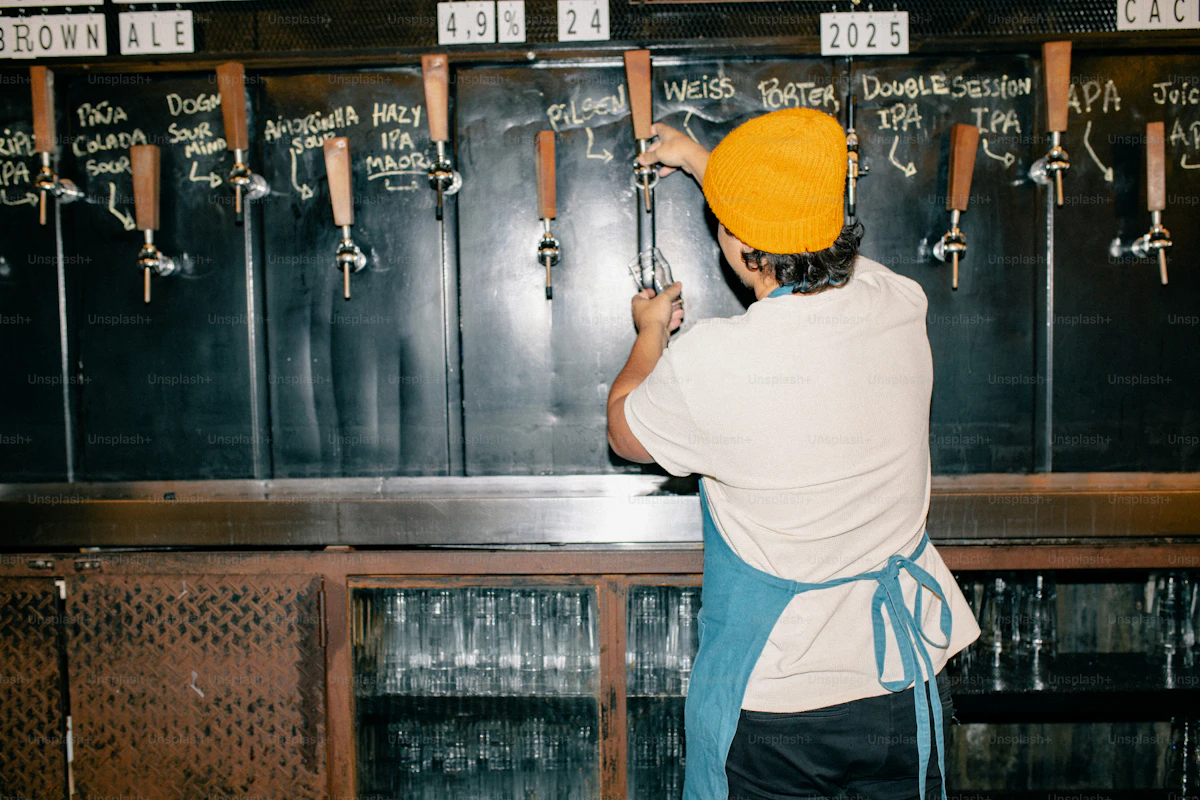
Czech Craft Beer Guide: Beyond Pilsner Urquell (2026)
Discover Prague's best craft breweries, taprooms, and beer gardens beyond Pilsner Urquell in 2026. Includes local favorites, beer etiquette, and a brewery map.
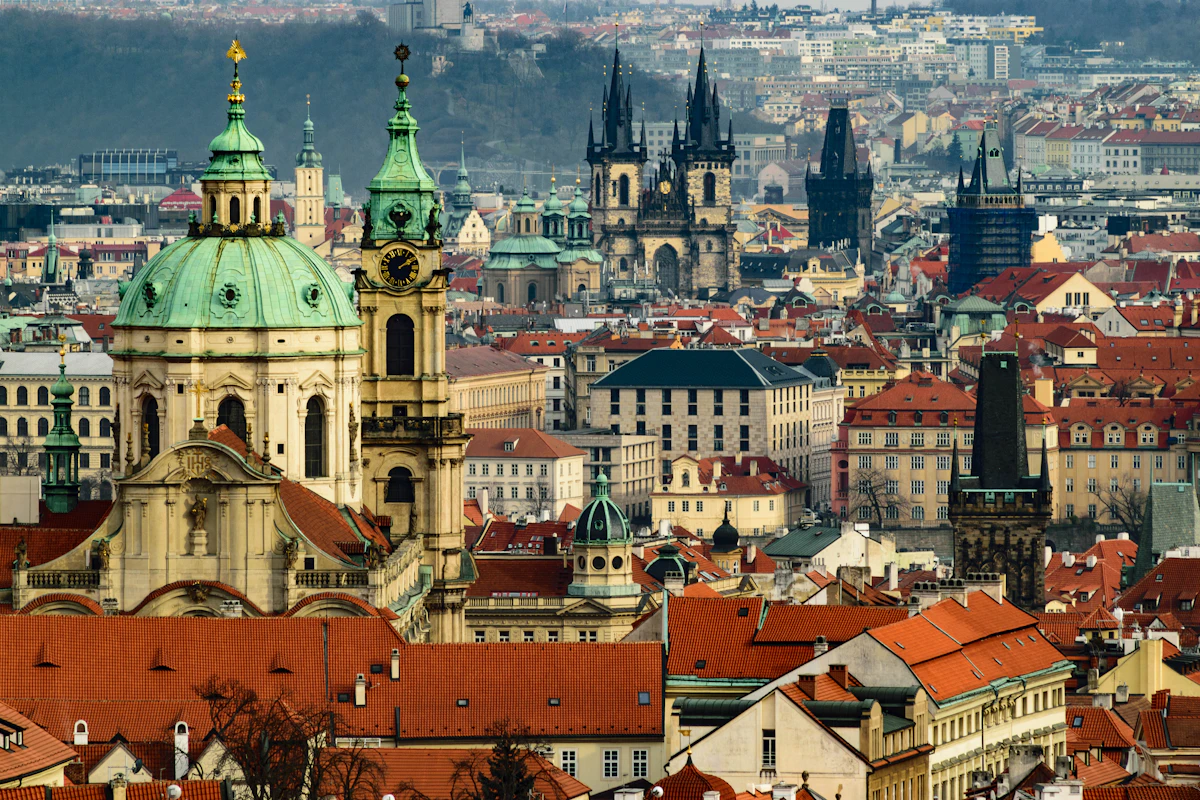
Staré Město: Old Town Beyond the Tourist Traps (2026)
Go beyond the crowds in Prague's Old Town in 2026. Discover hidden courtyards, local restaurants, jazz bars, and walking routes through Staré Město.
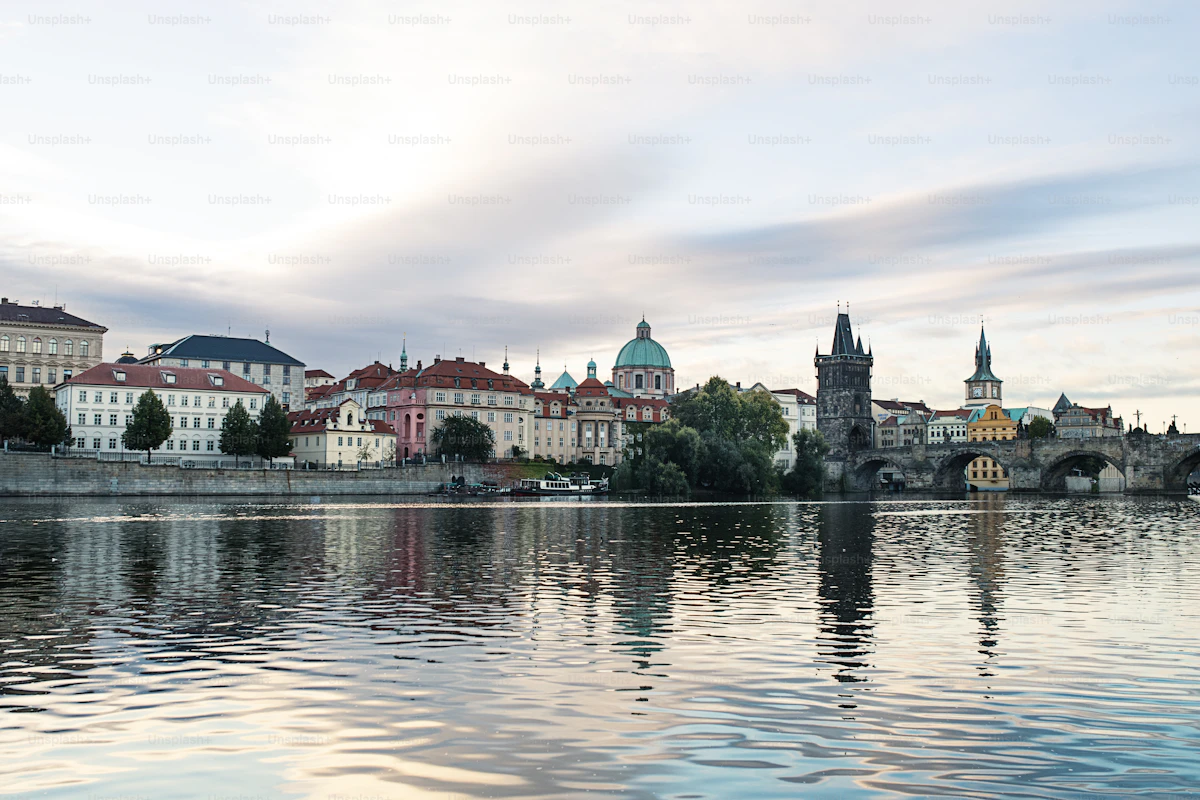
Prague on a Budget: Save Money Without Missing Out
Explore Prague on a budget with 50 CZK beers, free attractions, and lunch menus under 150 CZK. Get our complete money-saving tips for 2026.