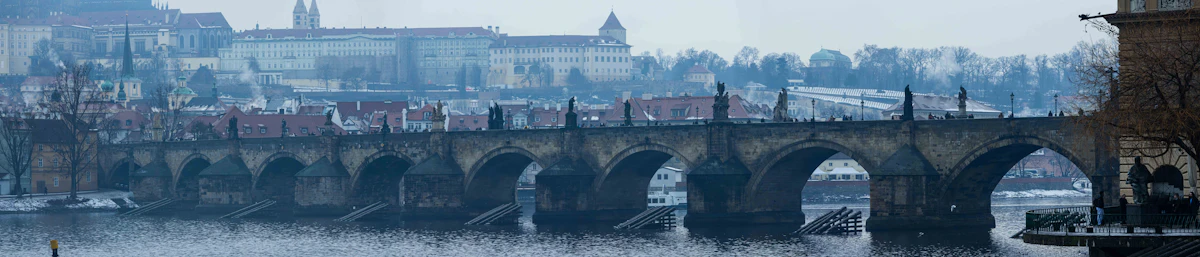
Prague Travel Tips: 25 Things to Know Before You Go in 2026
The practical knowledge that separates a good trip from a great one
Powered by ITINE
Get this guide as a tappable itinerary
Day-by-day plan, audio tours, and one-tap Google Maps — completely free.
Destinations
Your Itinerary
Google Maps
I have watched thousands of tourists arrive in Prague over the years, and the same avoidable mistakes come up again and again. The traveler who hands over euros at a restaurant and gets wrecked on the exchange. The couple who eat the bread basket without realizing it costs 50 CZK. The visitor who tries to pay at a tram stop and discovers there is no one to pay. None of these ruin a trip, but all of them are preventable. Here are 25 things I wish every visitor knew before they arrived.
1. The Currency Is Czech Crowns, Not Euros
The Czech Republic is in the EU but not in the Eurozone. The currency is the Czech koruna (CZK), also called the Czech crown. As of early 2026, 1 EUR equals roughly 25 CZK and 1 USD equals roughly 23 CZK. Some tourist-facing businesses accept euros, but the exchange rate they apply is almost always terrible. Always pay in CZK. Use ATMs for cash withdrawal and a travel card (Wise, Revolut) for card payments to get the best rates.
2. Card Payments Are Widely Accepted — But Carry Some Cash
Most restaurants, shops, and attractions accept credit and debit cards. However, some traditional pubs, market stalls, small bakeries, and Vietnamese restaurants are cash-only. Carry 500-1,000 CZK in cash as a backup. Also, some card terminals will ask if you want to pay in CZK or your home currency — always choose CZK to avoid the dynamic currency conversion markup.
3. Tipping Is Expected but Modest
Czechs tip, but not at American levels. In restaurants, rounding up or adding 10% is standard for good service. If the bill is 470 CZK, saying '500' when you pay is perfectly appropriate. For exceptional service, 15% is generous. In pubs, rounding up to the nearest 10 CZK is the norm. Taxi drivers appreciate rounding up. Hotel staff and tour guides — 50-100 CZK is a reasonable gesture. The key difference from American tipping: it is always done when paying, not left on the table afterwards.
4. Prague Is Very Safe — But Watch for Pickpockets
Prague is one of the safest capital cities in Europe. Violent crime against tourists is extremely rare. The main concern is pickpocketing, concentrated in a few specific locations: Old Town Square, Charles Bridge, the 22 tram line, and the metro during rush hour. Use a cross-body bag, keep your phone in a front pocket, and be especially alert in crowded spaces. Scams exist but are mostly confined to currency exchange, taxi overcharging, and the occasional restaurant bill padding — all avoidable with basic awareness.
5. Tap Water Is Safe and Excellent
Prague's tap water comes from well-maintained reservoirs and is perfectly safe to drink. Carry a refillable bottle and fill it at your hotel or from public drinking fountains. In restaurants, you can ask for 'kohoutkova voda' (tap water) — some will bring it for free, others charge a small fee. Either way, there is zero need to buy bottled water in Prague.
6. Learn Five Czech Phrases
Czech is a difficult language, and nobody expects tourists to speak it. But using even a few words changes the tone of every interaction. Czechs are reserved by nature, and a visitor who makes the effort to say 'dobrý den' instead of launching into English earns genuine warmth.
- Dobrý den (DOB-ree den) — Good day / Hello (formal, use in shops and restaurants)
- Ahoj (AH-hoy) — Hi / Bye (informal, use with young people and after rapport is established)
- Děkuji (DYEH-koo-yee) — Thank you
- Prosím (PRO-seem) — Please / You're welcome / Here you go (the Swiss Army knife of Czech words)
- Pivo, prosím (PIH-vo PRO-seem) — A beer, please (the most useful sentence in the Czech Republic)
7. Restaurant Bread Is Not Free
In many Czech restaurants, the server will place a basket of bread or rolls on your table without asking. This is not a complimentary gesture — it will appear on your bill, typically at 30-50 CZK. If you do not want it, say 'ne, děkuji' (no, thank you) and ask them to take it away. The same applies to condiments at some traditional pubs — mustard and horseradish may be charged per portion.
8. The Public Transport System Is Outstanding
Prague's integrated public transport — metro, trams, buses — is clean, reliable, frequent, and cheap. Download the PID Lítačka app to buy tickets and plan routes. Full network information is available at the DPP (Prague Public Transit) website. There are no barriers at metro stations and no conductors on trams, but plainclothes inspectors conduct random checks and the fine for riding without a valid ticket is 1,500 CZK. Always validate paper tickets or buy through the app.
9. Avoid Currency Exchange Offices (Mostly)
Most exchange offices in tourist areas offer terrible rates and hide commissions. The ones on Karlova street and around Old Town Square are particularly predatory. If you must exchange cash, use Exchange on Kaprova street, which consistently offers near-interbank rates. Better yet, withdraw CZK from an ATM using a travel-friendly bank card, or pay by card wherever possible. Our Prague budget guide covers currency exchange traps in full detail.
10. VAT Refund Is Available for Non-EU Visitors
If you are visiting from outside the EU and spend more than 2,001 CZK at a single store in a single transaction, you can claim a VAT refund (21% standard rate, though the refund after processing fees is typically 12-16%). Ask the shop for a tax-free form at the time of purchase. Have the form stamped by customs at the airport before check-in. Process the refund at the Global Blue or Planet Tax counter in the departure area. Keep items unused and in original packaging until after the customs stamp.
11. Sundays Are Quiet — Plan Accordingly
Czech Sunday closing laws mean that large supermarkets and shopping centers are closed on most public holidays and have reduced hours on Sundays. Smaller shops, bakeries, and restaurants operate normally, but do not count on doing a big grocery run on a Sunday evening. Plan your shopping for weekdays or Saturday mornings.
12. Drinking Alcohol in Public Is Legal
Unlike many European cities, drinking alcohol in public spaces is legal in most of Prague. You will see locals drinking beer in parks, on riverbanks, and at outdoor viewpoints. The exception is specific zones where local ordinances ban it — some areas around metro stations and a few squares have restrictions. Use common sense: drinking a beer at Letná Park is a local tradition. Being visibly drunk and disorderly anywhere is not tolerated and can result in police attention.
13. Czech Cultural Norms Are Reserved — This Is Not Rudeness
Czechs are famously reserved with strangers. Shop assistants may not smile. Waiters will not ask 'How is everything?' mid-meal. People on the street will not make eye contact or engage in small talk. This is not rudeness — it is a cultural norm that values privacy and directness over performative friendliness. Once a relationship is established, Czechs are warm, generous, and wickedly funny. The initial reserve is a surface, not the substance.
14. SIM Cards and Connectivity
EU visitors benefit from free roaming under EU regulations — your home plan works at no extra charge. Non-EU travelers should consider an eSIM (Airalo, Holafly) set up before arrival, or buy a local prepaid SIM from Vodafone, T-Mobile, or O2 Czech Republic. Tourist data packages cost 300-500 CZK for 7-30 days. Free Wi-Fi is available at most cafes, restaurants, and the airport. Our airport guide has more on buying SIM cards immediately upon arrival.
15. Public Holidays Can Affect Your Plans
- January 1 — New Year's Day and Czech Independence Day
- March/April — Easter Monday (date varies)
- May 1 — Labour Day
- May 8 — Liberation Day
- July 5 — Saints Cyril and Methodius Day
- July 6 — Jan Hus Day
- September 28 — Czech Statehood Day
- October 28 — Independent Czechoslovak State Day
- November 17 — Struggle for Freedom and Democracy Day
- December 24-26 — Christmas Eve, Christmas Day, St. Stephen's Day
On public holidays, most shops close (including large supermarkets since 2016), but restaurants, museums, and tourist attractions generally remain open. Public transport runs on a Sunday/holiday schedule with reduced frequency.
16. Opening Hours Follow a Pattern
Most shops open at 9-10 AM and close at 6-7 PM on weekdays, with shorter hours on Saturday and limited or no hours on Sunday. Restaurants typically serve from 11 AM to 10 PM, though many kitchens close by 9 PM. Cafes open at 8-9 AM. Museums are usually closed on Mondays. Pubs may not open until late afternoon but stay open until midnight or beyond.
17. Prague Castle Has Multiple Ticket Types
Prague Castle is a complex of buildings, not a single structure. The castle grounds are free to enter. But St. Vitus Cathedral interior, the Old Royal Palace, Golden Lane, and other buildings require a ticket. There are multiple circuit options at different prices (Circuit A at 350 CZK covers the main highlights). Buy online in advance to skip the queues. The castle is most crowded from 10 AM to 2 PM — go early or late afternoon.
18. The Astronomical Clock Is Quick
Every hour on the hour, the Astronomical Clock on Old Town Square performs its famous show of moving apostle figures. It lasts about 40 seconds. Visitors regularly wait 20-30 minutes for a show that is underwhelming when measured against the anticipation. My advice: watch it once, appreciate the 600-year-old engineering, and then go explore the things that actually reward your time. The clock itself is beautiful — the show is secondary.
19. Trdelník Is Not a Czech Tradition
20. Trams Are Your Secret Weapon
The tram network is the most useful transport for tourists — our complete transport guide covers every option in depth. Tram 22 alone passes the National Theatre, Malostranské náměstí, Prague Castle, and Strahov Monastery — it is a sightseeing tour disguised as public transport. Night trams (numbered 91-99) run every 30 minutes from 12:30 AM to 4:30 AM, covering the entire city. A regular ticket is valid on any tram, no extra charge.
21. Book Restaurant Reservations for Dinner
Prague's best restaurants fill up, especially on Friday and Saturday evenings. Our Prague food guide covers the best restaurants and what to order. For any restaurant you are specifically excited about, book at least 2-3 days ahead. Lunch is more relaxed — walk-ins are usually fine. For the tasting-menu restaurants (La Degustation, Field, Eska), book 1-2 weeks ahead.
22. Cobblestones Are Everywhere — Wear Proper Shoes
Prague is a city of cobblestones, steep hills, and uneven surfaces. High heels, thin-soled shoes, and new shoes that have not been broken in will make your feet miserable by midday. Wear comfortable walking shoes with decent grip. This is not optional advice — it is the difference between enjoying the city and limping through it.
23. The Legal Drinking Age Is 18
The legal drinking age in the Czech Republic is 18 for all alcohol. ID checks are uncommon but not unheard of. Cannabis remains illegal (despite what some tourist-targeted shops may imply), and drug laws are enforced. The legal blood alcohol limit for driving is 0.0% — absolute zero.
24. Travel Insurance Is Worth It
The Czech Republic has excellent healthcare, but non-EU visitors without insurance can face significant bills. Even EU citizens with an EHIC card should consider travel insurance for trip cancellation, theft, and lost luggage coverage. A basic travel insurance policy costs 2-5 EUR per day and is one of those expenses that feels pointless until the moment it saves you thousands.
25. The Best Views Are Free
You do not need to pay for a tower or an observation deck to see Prague from above. The viewpoint at Letná Park overlooking the Old Town is free. The hillside terrace at Vyšehrad is free. The slope of Petřín Hill gives you a Castle-and-city panorama for the price of a short climb. The bridges themselves — especially Mánesův most at sunset — offer views that no paid attraction can match. Prague was built on hills and wrapped around a river, and its most spectacular angles are available to everyone.
Beyond the 25: More Practical Knowledge
The tips above cover the essentials, but Prague has enough quirks and practicalities to fill a small book. Here are the additional things that seasoned visitors wish they had known on their first trip.
Pharmacy and Medical Tips
Czech pharmacies (lékárna) are well-stocked but operate differently from what many visitors expect. Over-the-counter medications that are freely available in the UK or US — including ibuprofen, antihistamines, and cold remedies — must be requested from the pharmacist at the counter. You will not find them on open shelves. The pharmacist may ask what symptoms you have before dispensing. This is normal and legally required. Most pharmacists in central Prague speak enough English for a medical consultation, but having the generic drug name written down helps enormously.
For after-hours needs, Prague has several 24-hour pharmacies. The most central is Lékárna U Svaté Ludmily on Belgická 37 in Vinohrady, and Lékárna Palackého at Palackého 5 near the National Theatre. If you need a doctor, Unicare Medical and Canadian Medical Care both offer English-speaking general practitioners and accept most international insurance plans. For emergencies, the main trauma center is Fakultní nemocnice Motol, and any hospital emergency room (pohotovost) will treat you regardless of insurance status — billing comes later.
Electricity and Adapters
The Czech Republic uses the standard European Type E plug — two round pins with a grounding hole. The voltage is 230V at 50Hz. Visitors from the UK, US, Australia, and many Asian countries will need an adapter. US and Japanese devices that only support 110V also need a voltage converter, though most modern phone chargers, laptop adapters, and camera chargers are dual-voltage (check the label for '100-240V'). Adapters are available at the airport, electronics stores like Datart or Alza, and even some convenience shops, but they cost 2-3 times what you would pay at home. Bring one from home or buy a universal adapter before your trip.
Smoking Laws and Vaping
Since 2017, smoking has been banned in all enclosed public spaces in the Czech Republic, including restaurants, pubs, bars, and cafes. This was a seismic shift for a country with deep smoking traditions, and compliance is now nearly universal. You can smoke on outdoor terraces and patios, but many restaurants now designate their terraces as non-smoking as well — look for signs or ask. Smoking is prohibited at covered public transport stops, though enforcement is inconsistent. Vaping and e-cigarettes fall under the same restrictions as traditional cigarettes in enclosed spaces. Tobacco products can only be purchased by those 18 and older, and are sold at tobacco shops (trafika), some newsagents, and a limited number of supermarkets.
Photography Etiquette
Prague is extraordinarily photogenic, and you can photograph most public spaces, building exteriors, and street scenes freely. However, there are important exceptions and courtesies to observe. Inside most churches — including St. Vitus Cathedral and the Church of Our Lady before Tyn — photography is generally permitted but flash is strictly prohibited, and tripods require special permission. Some museums and galleries ban photography entirely, or allow it only without flash. The Jewish Museum and Old Jewish Cemetery have specific rules: photography is allowed in most spaces but not during services, and drone use is prohibited.
On public streets, be mindful when photographing people. Czech privacy laws give individuals the right to their own image, and while casual street photography is tolerated, pointing a camera directly at someone without their consent — especially children — can provoke a justifiably sharp reaction. At restaurants and cafes, photographing your food is fine, but avoid including other diners in your shots. And while it should go without saying: do not climb on statues, sit on memorial plaques, or block narrow streets with tripod setups. Prague locals have limited patience for visitors who treat their city as a photo set rather than a living place.
Cultural Do's and Don'ts
Beyond the general reserve mentioned earlier, there are specific cultural norms worth knowing. Czechs remove their shoes when entering someone's home — the host will usually offer slippers. If you are invited to a Czech household for dinner, bring a small gift: a bottle of wine, flowers (odd numbers only, and never chrysanthemums, which are funeral flowers), or quality chocolates. Arrive on time — punctuality is a genuine value in Czech culture, not a formality.
- Do greet shopkeepers when entering and leaving — a simple 'dobrý den' on entry and 'na shledanou' (goodbye) on exit is expected and noticed when absent
- Do not sit in a reserved seat on the metro or tram unless the carriage is completely full — seats marked with a blue sticker are for elderly, disabled, and pregnant passengers
- Do keep your voice down on public transport — Czechs are noticeably quiet on the metro and trams, and loud conversations (especially in English) stand out
- Do not assume everyone wants to practice English with you — ask 'Mluvíte anglicky?' (Do you speak English?) before launching into a request
- Do toast properly when drinking beer — make eye contact, say 'Na zdraví' (to health), and never cross arms with someone else who is also toasting
- Do not whistle indoors — some older Czechs consider this bad luck or rude
- Do learn to say 'na shledanou' (nah SKHLE-dah-noh) — goodbye — it is used far more consistently than its English equivalent and leaving without saying it feels abrupt to Czechs
Emergency Numbers and Consular Help
The universal emergency number across the EU is 112, and it works in the Czech Republic with English-speaking operators available. For specific services, you can also call 150 for fire, 155 for ambulance, and 158 for police. The Czech Tourism Board provides comprehensive practical information for visitors. The municipal police (městská policie) can be reached at 156 — they handle local disturbances, parking, and minor issues. If you lose your passport, contact your embassy immediately. Most major embassies are located in the Malá Strana and Hradčany districts.
Apps Every Visitor Needs
A handful of apps will make your Prague trip noticeably smoother. None are strictly necessary — people visited Prague for centuries without smartphones — but they eliminate the small frictions that add up over a multi-day trip.
- PID Lítačka — The official Prague public transport app. Buy tickets, plan routes, and check real-time departures. It works offline for pre-purchased tickets. This is the single most useful app for Prague.
- Mapy.cz — The Czech-made mapping app. Far more accurate than Google Maps for Prague's labyrinthine alleys, it includes offline maps, hiking and cycling trails, and better public transit directions within the city.
- Bolt or Liftago — Ride-hailing apps that eliminate taxi scams entirely. Bolt is the most popular in Prague. Liftago is Czech-made and equally reliable. Both show the fare upfront.
- Google Translate — Download the Czech language pack for offline use. The camera translation feature is invaluable for restaurant menus, pharmacy labels, and signs that have no English.
- Restu or TheFork — Restaurant reservation apps widely used in Prague. Many popular restaurants only accept bookings through these platforms.
- XE Currency — A reliable currency converter with offline capability. Useful when you are standing in a shop trying to decide if 1,200 CZK for a crystal vase is reasonable.
Toilets and Restroom Etiquette
Public restrooms in Prague are generally clean but almost never free. Expect to pay 10-20 CZK at standalone public toilets and in shopping centers. Many are attended by a person who collects the fee and maintains the facilities. Metro stations do not have public restrooms, which catches many visitors off guard. Your best options for free restrooms are restaurants and cafes where you are a customer, department stores like Palladium and Kotva, and the lobbies of larger hotels if you walk in confidently. Fast food chains like McDonald's and KFC have restrooms accessible to customers, though some require a code printed on your receipt.
Weather and What to Pack
Prague has a continental climate with genuine four-season variation. Our seasonal guide breaks down each month in detail. Summers (June-August) bring warm days of 25-30 degrees Celsius with occasional thunderstorms that roll in fast and leave just as quickly. Spring (April-May) and autumn (September-October) are the most pleasant seasons, with mild temperatures around 15-20 degrees but unpredictable rain. Winter (November-March) is cold and grey, with temperatures hovering around 0 degrees and occasional snow. Regardless of season, Prague weather can shift dramatically within a single day.
- Always carry a light rain layer — not an umbrella (useless on Prague's windy hills), but a packable rain jacket that fits in a day bag
- In summer, bring sunscreen and a hat — the Old Town offers very little shade, and you will be walking in direct sun more than you expect
- In winter, bring thermal layers, a proper coat, and a scarf — the wind off the Vltava cuts right through lightweight jackets
- In spring and autumn, dress in layers — mornings can be 8 degrees and afternoons can reach 20 degrees on the same day
- Year-round, bring comfortable broken-in walking shoes with good grip for cobblestones — this cannot be overstated
Drinking Water Fountains and Staying Hydrated
Prague has been expanding its network of public drinking fountains in recent years. You will find them in parks, near major squares, and along popular walking routes. They are marked with a 'pitná voda' (drinking water) sign. In summer, temporary water stations sometimes appear in the busiest tourist areas. Still, the coverage is not as dense as in some Southern European cities, so carrying your own bottle remains the practical choice. Most cafes will refill a water bottle if you ask politely — it is not an established custom the way it is in some countries, but a friendly 'Mohu si naplnit vodu?' (Can I fill my water?) rarely meets refusal.
Frequently Asked Questions
Prague is one of the safest capital cities in Europe. Violent crime against tourists is extremely rare. The main concern is pickpocketing in tourist hotspots — Old Town Square, Charles Bridge, the 22 tram, and crowded metro stations. Use a cross-body bag with zippers and stay alert in crowds.
English is widely spoken in hotels, restaurants, and tourist areas, especially by younger Czechs. In more residential neighborhoods and among older generations, English may be limited. Learning a few Czech phrases — dobrý den (hello), děkuji (thank you), prosím (please) — earns genuine warmth.
Prague uses the Czech koruna (CZK), not the euro. As of 2026, 1 EUR is roughly 25 CZK. Some tourist businesses accept euros but apply terrible exchange rates. Always pay in CZK for the best value.
Round up or add 10% for good service. If your bill is 470 CZK, say '500' when you pay. For exceptional service, 15% is generous. The key Czech custom: tell the waiter the total amount when paying — do not leave coins on the table.
Yes. Prague's tap water comes from well-maintained reservoirs and is perfectly safe to drink. Carry a refillable bottle and ask for kohoutkova voda (tap water) in restaurants. Public drinking fountains marked 'pitná voda' are found in parks and along walking routes.
Prague's integrated public transport system — metro, trams, and buses — is clean, reliable, and cheap. Download the PID Lítačka app for tickets and routes. Trams are especially useful for tourists. The historic center is also very walkable — Old Town Square to Charles Bridge is an 8-minute walk.
EU/EEA citizens need no visa — enter with a valid ID or passport. US, Canadian, UK, and Australian citizens can stay up to 90 days within any 180-day Schengen period without a visa. Check if ETIAS authorization is required for your nationality before traveling in 2026.
The main scams are predatory currency exchange offices (advertising '0% commission' with terrible rates), overcharging taxis (use Bolt or Uber instead), restaurant bill padding (always check your bill), and the 'friendly local' who steers you to a bar with outrageous prices. All are avoidable with basic awareness.
Comfortable walking shoes with good grip are essential — cobblestones are everywhere. Dress in layers regardless of season, as Prague weather changes quickly. Always carry a packable rain jacket. In winter, bring proper warm layers, waterproof boots, and a scarf for the wind off the Vltava.
No. In many Czech restaurants, the server places bread on your table without asking, but it will appear on your bill (typically 30-50 CZK). If you do not want it, say ne, děkuji (no, thank you) and ask them to take it away.
Drinking alcohol in public spaces is legal in most of Prague. You will see locals drinking beer in parks and at outdoor viewpoints. Some specific zones near metro stations have restrictions. Use common sense — drinking a beer at Letná Park is a local tradition, but being visibly drunk and disorderly can attract police attention.
The Czech Republic uses the standard European Type E plug — two round pins. The voltage is 230V at 50Hz. Visitors from the UK, US, and Australia need an adapter. Most modern phone chargers and laptops are dual-voltage (100-240V), but check the label to be sure.
Yes, most Prague museums are closed on Mondays. Plan museum visits for Tuesday through Sunday. Restaurants typically serve 11 AM to 10 PM, shops open 9-10 AM and close 6-7 PM on weekdays, with shorter Saturday hours and limited Sunday hours.
Five essential phrases: Dobrý den (Hello), Děkuji (Thank you), Prosím (Please/You're welcome), Pivo prosím (A beer please), and Účet prosím (Bill please). Using even these basics changes the tone of every interaction with locals.
When paying by card or using an ATM, always decline the option to be charged in your home currency. Choose CZK instead. Accepting your home currency triggers a 3-7% hidden markup. This applies at ATMs, card machines in shops, and restaurant terminals throughout the Czech Republic.
Absolutely. Winter Prague (November-March) is atmospheric and uncrowded, with the lowest prices of the year. The Christmas markets in December are magical. January-February are the quietest months. Dress warmly — temperatures hover around 0°C with occasional snow.
The essentials: PID Lítačka (public transport tickets), Mapy.cz (more accurate than Google Maps for Prague), Bolt (ride-hailing), Google Translate (download Czech for offline use), and Restu or TheFork (restaurant reservations).
The Europe-wide emergency number 112 works in the Czech Republic with English-speaking operators. You can also call 150 for fire, 155 for ambulance, and 158 for police. The tourist-oriented police station at Jungmannovo náměstí 9 has English-speaking officers.
James Whitfield
Travel Writer & Prague Resident · Vinohrady, Prague
James moved to Prague in 2017 after a decade of travel writing across Central Europe. A former editor at Wanderlust Magazine, he now writes practical travel guides drawn from eight years of navigating the city's tram network, budget pubs, and bureaucratic quirks.
You might also enjoy
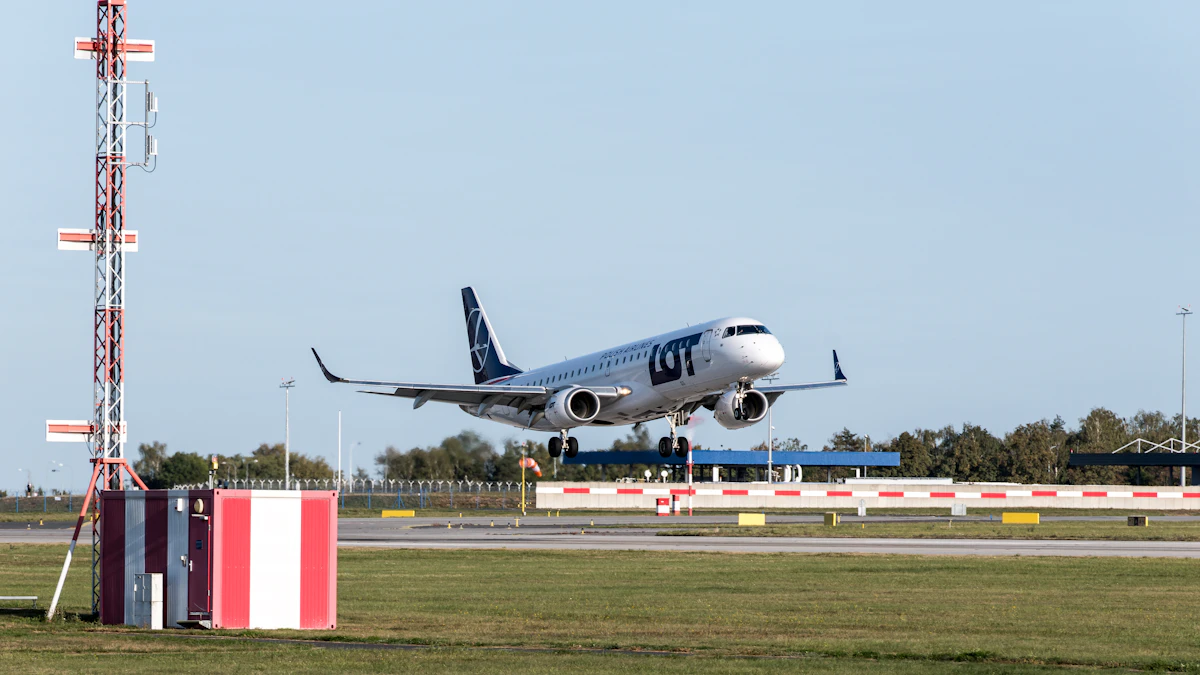
Prague Airport Guide: Arrivals, Transport, and Tips
Navigate Prague Airport like a pro. Compare bus, taxi, and rideshare options to the city center, plus tips on SIM cards, currency exchange, and scam avoidance.
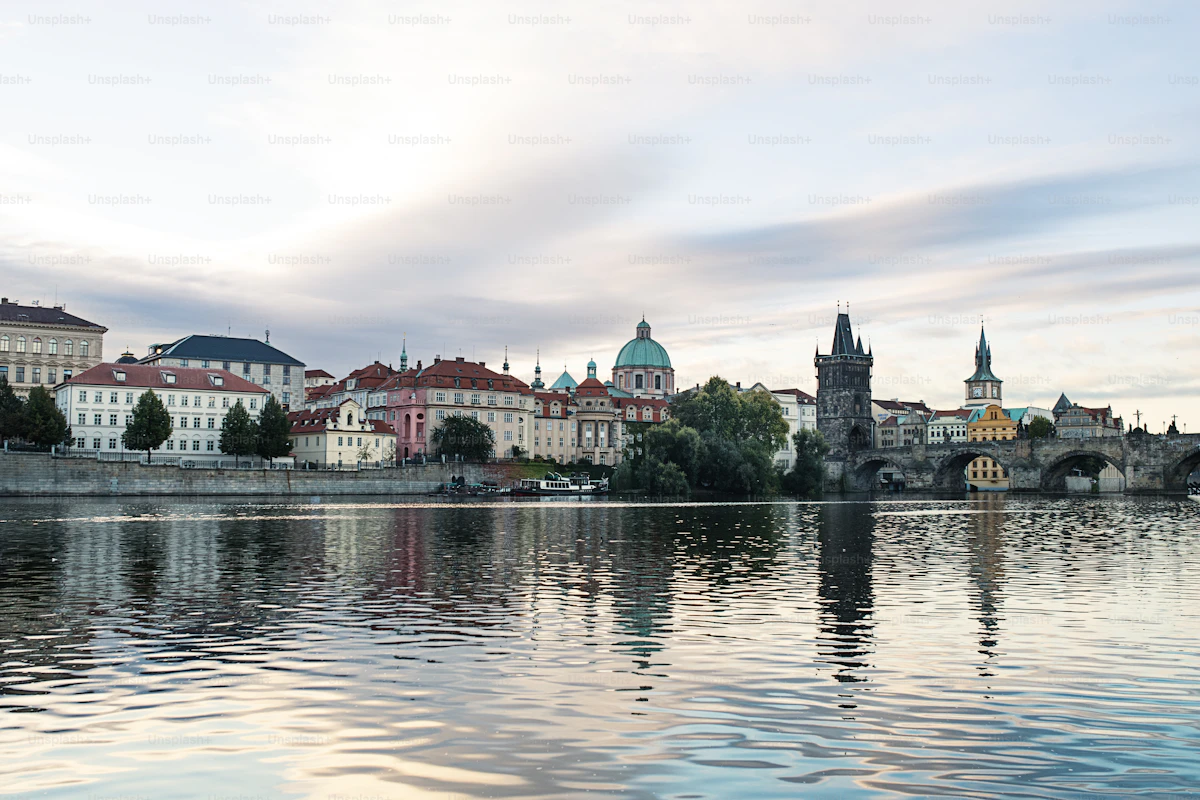
Prague on a Budget: Save Money Without Missing Out
Explore Prague on a budget with 50 CZK beers, free attractions, and lunch menus under 150 CZK. Get our complete money-saving tips for 2026.
Best Time to Visit Prague in 2026: Month-by-Month Guide
When is the best time to visit Prague in 2026? Month-by-month weather, crowd levels, events, and packing tips to help you pick the perfect travel dates.