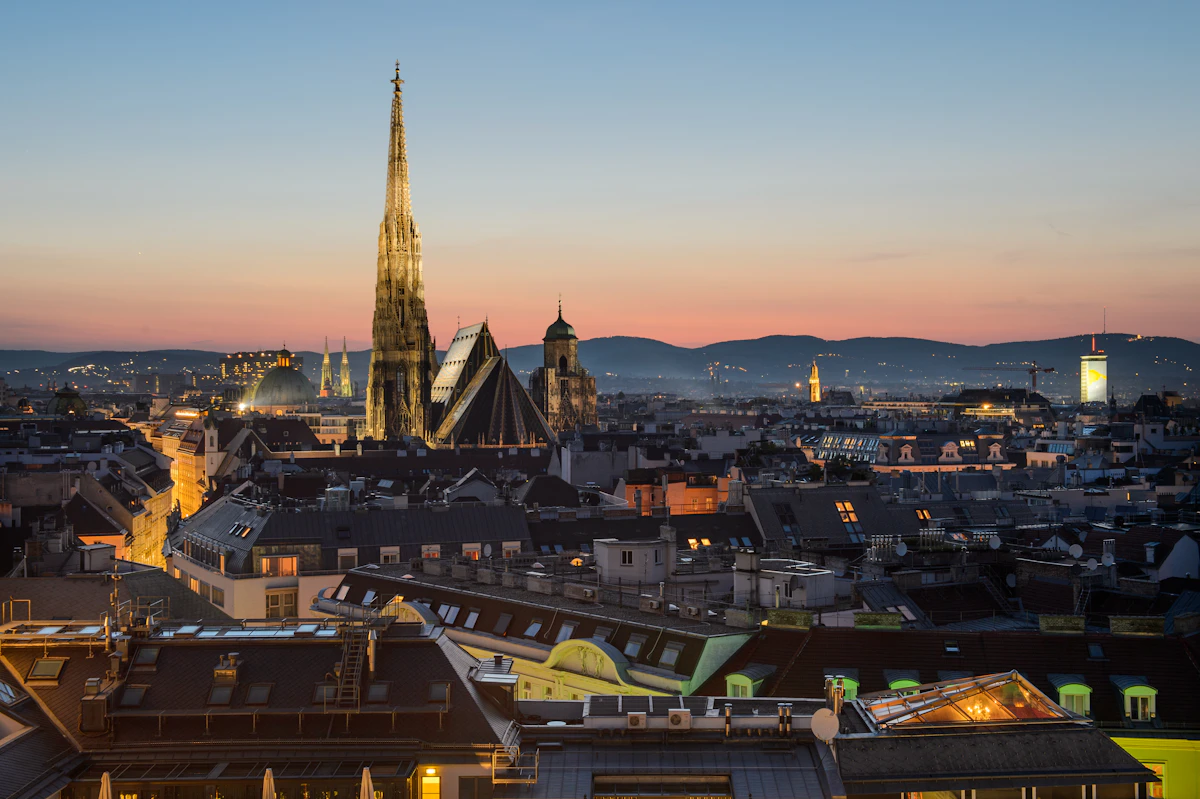
Prague vs Vienna: Comparing Two Central European Gems (2026)
Coffee culture, palaces, and beer halls — an honest comparison of two of Europe's most beloved capitals
Powered by ITINE
Get this guide as a tappable itinerary
Day-by-day plan, audio tours, and one-tap Google Maps — completely free.

Destinations

Your Itinerary

Google Maps
Prague and Vienna were once part of the same empire, connected by a shared history that stretches back centuries. Today they are two of Europe's most visited capitals, sitting just four hours apart by train, and travelers frequently ask which one deserves their limited vacation days. Having spent years in Prague and visited Vienna countless times, I can tell you this: Prague and Vienna are like siblings who chose very different careers. One became an artist; the other became an investment banker. Both are excellent. They just have completely different energy.
How much more expensive is Vienna than Prague?
Let me be blunt: Vienna is substantially more expensive than Prague. It is a Western European capital with Western European prices, and the difference is felt in every category. This is not a minor gap — for most travelers, Vienna costs 40-60% more than Prague for an equivalent experience. If budget is your primary concern, Prague wins before the comparison even begins.
How do accommodation costs compare?
A mid-range hotel in central Vienna (Innere Stadt or near the Ringstrasse) costs 150-250 EUR per night for a double room. In Prague, equivalent quality in Vinohrady or Staré Město runs 2,500-4,000 CZK (100-160 EUR). Budget hostels in Vienna average 30-45 EUR for a dorm bed; Prague dorms cost 500-800 CZK (20-32 EUR). At every level, Prague is 30-40% cheaper for accommodation.
What do meals cost in Vienna vs Prague?
- Lunch menu: Prague polední menu 150-200 CZK (6-8 EUR) vs Vienna Mittagsmenü 12-18 EUR — Prague is half the price
- Dinner main course: Prague 250-400 CZK (10-16 EUR) vs Vienna 18-28 EUR — Prague wins by 40-50%
- Coffee and cake: Prague 120-180 CZK (5-7 EUR) vs Vienna 8-14 EUR at a traditional Kaffeehaus — Vienna is 50-100% more
- Beer (0.5L): Prague 50-70 CZK (2-2.80 EUR) vs Vienna 4.50-6 EUR — Prague is dramatically cheaper
- Glass of wine: Prague 80-150 CZK (3.20-6 EUR) vs Vienna 5-9 EUR — roughly similar at the lower end
- Dinner for two with wine at a mid-range restaurant: Prague 1,500-2,200 CZK (60-88 EUR) vs Vienna 80-130 EUR
Is Vienna's public transport more expensive?
Vienna's transport is more expensive but excellent. A single ticket costs 2.40 EUR, and a 24-hour pass is 8 EUR. Prague's 30-minute ticket is 30 CZK (1.20 EUR) and a 24-hour pass is 120 CZK (4.80 EUR). Vienna's U-Bahn (metro) is superb — clean, punctual, extensive — and arguably slightly better than Prague's system, but Prague's trams are more atmospheric and the system is perfectly adequate for tourists. Both cities are walkable enough that many visitors barely use public transport. For Prague's full transport breakdown, see our getting around guide.
Which city has better coffee culture — Prague or Vienna?
Vienna wins this category so decisively that it is almost unfair to compare. Viennese Kaffeehauskultur (coffeehouse culture) is UNESCO-listed intangible cultural heritage. The grand coffeehouses — Café Central, Café Sperl, Café Hawelka, Demel — are living museums where time slows down, where you sit for hours reading newspapers on wooden frames, where the waiter brings your Melange on a silver tray with a glass of water, and where rushing is considered a cultural offense. This is not just coffee. It is a philosophy of living.
Prague's coffee scene is different: younger, more modern, and focused on specialty third-wave coffee rather than tradition. Shops like EMA Espresso Bar, Místo, and The Roses in Vinohrady serve excellent coffee that would rival anything in Berlin or Melbourne. The roasting scene is strong. But Prague does not have the grand coffeehouse tradition — its café culture is contemporary and casual rather than historic and ceremonial. If you want a world-class flat white, Prague delivers. If you want to sit in a marble-floored room where Freud and Trotsky once debated, Vienna is the only option.
How do the museum and culture scenes compare?
Vienna is one of the great museum cities of the world. Full stop. The Kunsthistorisches Museum holds one of the finest art collections anywhere. The Belvedere has Klimt's 'The Kiss.' The Albertina, the Leopold Museum, the Museum of Natural History, the Sigmund Freud Museum, the Secession Building — the density of world-class museums is staggering. You could spend a week doing nothing but museums and barely scratch the surface.
Prague's museum scene is more modest but has its own strengths. The National Gallery (Veletržní palác) has a strong collection of Czech modern art. The Jewish Museum is deeply moving. The Museum of Communism and the National Technical Museum are worth visits. But the honest truth is that Prague's greatest 'museum' is the city itself — the streets, the buildings, the bridges. You experience Prague's cultural richness by walking through it rather than by entering institutions. Vienna requires museum visits to fully appreciate; Prague does not.
Which city is better for classical music lovers?
Vienna, obviously. Mozart lived here. Beethoven lived here. Haydn, Schubert, Brahms, Mahler, Strauss — the list is absurd. The Vienna Philharmonic at the Musikverein is one of the greatest musical experiences on the planet, and the Wiener Staatsoper (State Opera) offers standing room tickets for as little as 4-15 EUR for world-class performances. The musical heritage is unmatched by any city on earth.
That said, Prague has a surprisingly strong classical music scene of its own. Dvořák and Smetana were Czech, and their music is performed frequently. The Rudolfinum and the Estates Theatre (where Mozart premiered Don Giovanni in 1787) are gorgeous venues. The real advantage of Prague's classical scene is accessibility and price — concerts in churches like St. Nicholas or the Klementinum happen nightly and cost 400-800 CZK (16-32 EUR). They are tourist-oriented but genuinely enjoyable. If you are a serious classical music devotee, Vienna is a pilgrimage. If you want an enjoyable concert evening as part of a broader trip, Prague delivers at a fraction of the cost.
Baroque splendor vs Gothic mystery: How does the architecture differ?
Both cities are architecturally magnificent, but their dominant styles create very different moods. Vienna is primarily baroque and neo-classical — grand palaces (Schönbrunn, Hofburg, Belvedere), wide boulevards (the Ringstrasse), imposing institutional buildings, and an overall feeling of imperial order and symmetry. Everything in Vienna feels deliberately placed, intentionally impressive, almost impossibly refined.
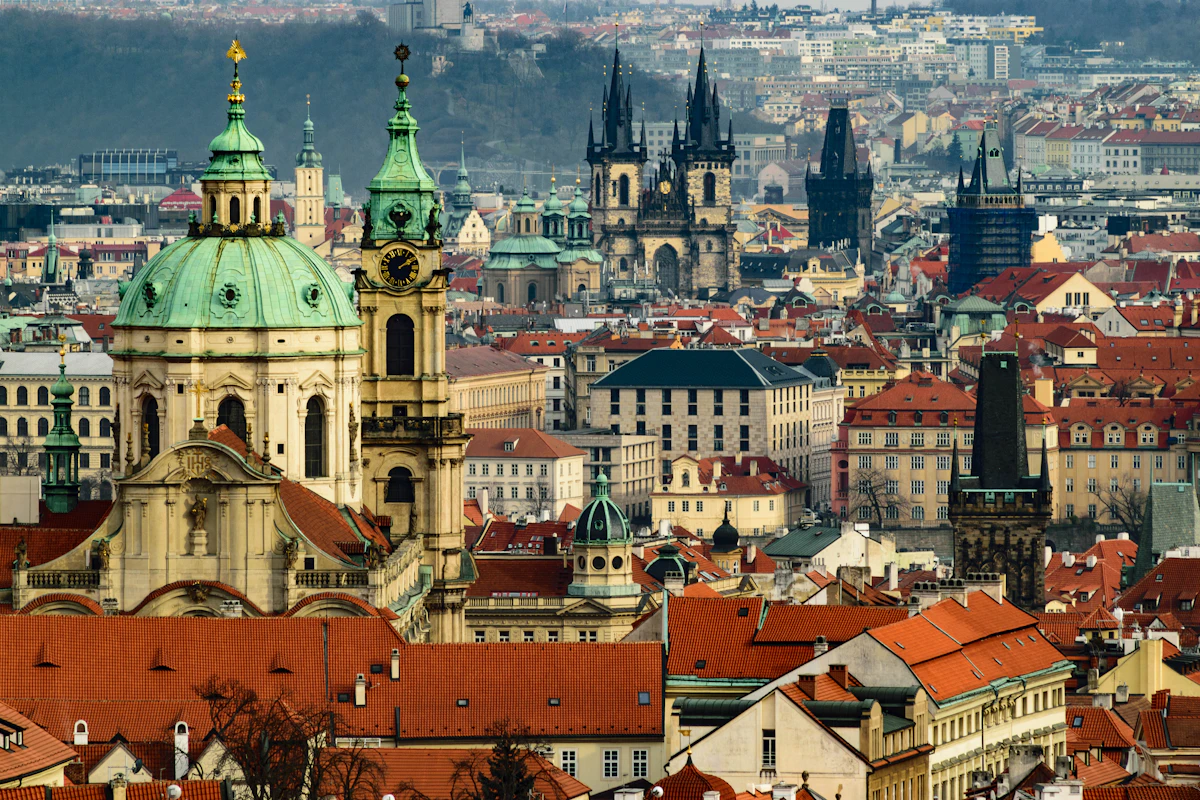
Prague is a richer architectural mixtape. Gothic foundations (Charles Bridge, St. Vitus Cathedral, the Powder Tower), baroque overlays (the Malá Strana churches, the Loreto), art nouveau flourishes (Obecní dům, Hotel Paříž), cubist experiments (the House of the Black Madonna), and even brutalist landmarks. Prague's skyline is a silhouette of Gothic spires. The city feels more organic, more layered, more mysterious. Walking through Malá Strana at dusk, with the gas lamps flickering and the castle lit above, Prague feels almost supernatural. Vienna never quite achieves that — it is too rational, too ordered for mystery.
Which city has better food — Prague or Vienna?
Traditional Viennese cuisine is more refined than traditional Czech cuisine, though both lean heavily on meat, dumplings, and comfort. The Wiener Schnitzel (properly made with veal, pounded thin, fried golden) is one of the great dishes of European cooking. Tafelspitz (boiled beef with apple-horseradish) is elegant simplicity. And Viennese pastries — Sachertorte, Apfelstrudel, Kaiserschmarrn — are in a different league from Czech desserts.
Czech cuisine is heartier and less refined: svíčková (marinated beef with cream sauce and dumplings), vepřo knedlo zelo (pork, dumplings, sauerkraut), and smažený sýr (fried cheese) are satisfying but not elegant. Where Prague fights back is in its modern restaurant scene, which has exploded in recent years. Neighborhoods like Karlín and Holešovice have creative restaurants doing innovative things with local ingredients. And the sheer value proposition is hard to argue with — a full lunch for 160 CZK (6.40 EUR) at a Prague neighborhood restaurant would cost triple that in Vienna. Read our Prague food guide for the best spots.
Which city has better nightlife?
Prague wins nightlife. Vienna's nightlife is sophisticated — excellent wine bars, jazz clubs, and the occasional late-night venue — but it is quieter and more civilized. Vienna goes to bed relatively early by European capital standards. Prague has a rawer, more energetic nightlife scene. The pubs of Žižkov stay packed until the early hours, Holešovice has underground clubs and warehouse parties, and the cocktail bar scene is thriving. The beer is better and cheaper, the bars stay open later, and the overall vibe is younger and more spontaneous. Read our full Prague nightlife guide.
Vienna's advantage is wine culture. Austria produces excellent wines — Grüner Veltliner and Zweigelt from the nearby wine regions — and the Heuriger (wine taverns) on the outskirts of the city are a unique experience. Sitting in a garden in Grinzing or Neustift am Walde, drinking new-season wine with a plate of cold meats and bread, is quintessentially Viennese and has no Prague equivalent.
Which city is more walkable?
Prague is more walkable in the sense that its historic center is more compact and you can reach most major attractions on foot. The downside: cobblestones everywhere, plus the steep climb to the Castle district. Vienna's center (Innere Stadt) is very walkable and mostly flat, but the city is larger overall, and some major attractions (Schönbrunn Palace, Prater, the Heuriger) require public transport. Within the historic core, both are excellent walking cities. Prague's smaller scale gives it a slight edge for visitors who want to do everything on foot.
Which city has better day trips?
Both are excellent base camps for day trips, with different strengths.
Prague day trips
- Kutná Hora and the Bone Church — 1 hour by train, utterly unique
- Český Krumlov — 2.5 hours by bus, a UNESCO fairy-tale town
- Karlštejn Castle — 40 minutes by train, a Gothic hilltop fortress
- Terezín — 1 hour by bus, a sobering WWII memorial
- Pilsen — 1 hour by train, the birthplace of Pilsner beer with the Pilsner Urquell brewery tour
Vienna day trips
- Wachau Valley — 1 hour by train, UNESCO wine region along the Danube with medieval castles
- Salzburg — 2.5 hours by train, Mozart's birthplace and Sound of Music country
- Bratislava — 1 hour by train, an easy cross-border trip
- Hallstatt — 3.5 hours by train, one of Austria's most photographed lakeside villages
- Baden bei Wien — 30 minutes by train, thermal spas and vineyards
Vienna's day trip options are arguably slightly better because the Wachau Valley and Salzburg are world-class destinations. But Prague's options are more accessible (shorter travel times) and Český Krumlov is one of the most beautiful small towns in Europe.
Can you easily combine Prague and Vienna in one trip?
Yes, and you absolutely should if you have the time. The direct train takes about 4 hours and is comfortable, affordable, and scenic. A 3-day Prague + 3-day Vienna itinerary is one of the great Central European trips. Start in Prague (cheaper — you ease into spending), then take the morning train to Vienna for a change of pace. The contrast between the two cities makes each one more memorable. You could even add a night in Český Krumlov between them (it is roughly on the way if you are willing to take a bus route).
Which city is better for different types of travelers?
For couples and romantic trips
Prague wins for romance. The intimate scale, the fairy-tale lanes, the sunset views over the Vltava from Letná Park, the Charles Bridge at dawn — Prague is one of Europe's most romantic cities. Vienna is romantic in a more formal way — opera evenings, waltzing, grand hotel lobbies — but Prague's romance is more accessible and less expensive.
For culture and history enthusiasts
Vienna wins. The museums alone justify the trip, and the classical music heritage is unmatched. Prague has deep history (Kafka, the Velvet Revolution, 1,000 years of architecture) but Vienna's cultural institutions are on another level entirely.
For budget travelers
Prague, by a significant margin. Every cost category favors Prague, and the quality at Prague's price points is exceptional. A comfortable day in Prague for what a budget day costs in Vienna. Check our budget guide for specifics.
For food lovers
Vienna for traditional cuisine and pastries. Prague for value and the modern dining scene. If Michelin stars and Sachertorte matter to you, Vienna wins. If you want a full day of eating for under 30 EUR, Prague is your city.
Final verdict: Prague or Vienna in 2026?
Choose Prague if: you are on a budget, you love beer, you want a walkable fairy-tale city, you prioritize nightlife, and you value atmospheric exploration over institutional culture. Prague is the more adventurous, more affordable, more youthful choice. It rewards wandering, spontaneity, and curiosity.
Choose Vienna if: you love museums, classical music, and refined culture; you appreciate grand architecture and coffeehouse tradition; you prefer a more polished, sophisticated city experience; and budget is secondary to quality. Vienna is one of the world's great cultural capitals, and it earns that status every day. For help putting together your Vienna itinerary, see our complete Vienna guide.
My personal take: I prefer living in Prague, but I love visiting Vienna. Prague is better for a life; Vienna is better for a long weekend of cultural immersion. If you can do both, the combination is pure magic — the bohemian artist followed by the imperial sophisticate. But if forced to choose one for a first-time Central European visitor, I give the edge to Prague. It is more unique, more affordable, more fun, and frankly more surprising. Vienna is magnificent but feels like something you have experienced before — a European grand capital. Prague feels like nothing else on earth.
Frequently Asked Questions
Vienna is approximately 40-60% more expensive than Prague across most categories. Accommodation is 30-50% more, restaurant meals 40-80% more, and beer costs roughly double. A mid-range daily budget in Prague is 120-180 EUR vs 180-280 EUR in Vienna.
Direct trains take approximately 4 hours. RegioJet offers the cheapest fares (from 400 CZK / 16 EUR booked early), while Austrian ÖBB and Czech Railways also run frequent services. Trains depart multiple times per day from Prague hlavní nádraží (main station).
Yes, though it is tight. A good split is 3 days Prague + 2 days Vienna, or 2.5 + 2.5 if you take a morning train. Ideally, allow 6-7 days for a more relaxed pace with both cities.
Vienna wins for traditional coffeehouse culture (grand historic cafés with UNESCO heritage). Prague wins for modern specialty/third-wave coffee (excellent roasters and contemporary shops). They are genuinely different experiences and both worth having.
Both are stunning. Prague is more atmospheric and fairy-tale-like with Gothic spires and medieval lanes. Vienna is grander and more polished with baroque palaces and wide boulevards. Prague's beauty feels organic and mysterious; Vienna's feels intentional and refined.
Vienna, by a significant margin. It is arguably the classical music capital of the world with the Vienna Philharmonic, State Opera, and the legacy of Mozart, Beethoven, and Brahms. Prague has excellent concerts too (Rudolfinum, Estates Theatre) at lower prices, but Vienna is in a different league.
Yes. Prague uses Czech crowns (CZK) and Vienna uses euros (EUR). Austria adopted the euro in 2002, while the Czech Republic still uses its own currency. Bring a travel-friendly card like Revolut for the best exchange rates in both cities.
Vienna, decisively. The Kunsthistorisches Museum, Belvedere (Klimt), Albertina, and Natural History Museum are world-class institutions. Prague has good museums (National Gallery, Jewish Museum) but its greatest attraction is the city itself, not its institutions.
Both are very safe. Vienna consistently ranks as one of the safest and most livable cities in the world. Prague is also very safe with low violent crime rates. Pickpocketing exists in tourist areas of both cities. Neither requires special safety precautions beyond normal urban awareness.
Vienna for traditional cuisine (Wiener Schnitzel, pastries, coffeehouse culture). Prague for value and creative modern dining. A dinner at a nice restaurant costs roughly 40-60% less in Prague. Hungarian-adjacent influences make Vienna's cuisine slightly more varied than Czech cooking.
Vienna has more high-end shopping along the Graben, Kohlmarkt, and Mariahilfer Strasse. Prague has better value shopping and excellent local goods (Bohemian glass, Czech garnets, artisanal crafts). For luxury brands, Vienna; for unique souvenirs and local crafts, Prague.
Yes. Both the Czech Republic and Austria use Type C and Type F plugs (standard European two-pin). One adapter works for both cities. The voltage is the same (230V, 50Hz).
Both have excellent Christmas markets (November-December). Vienna's are larger and more numerous. Prague's are more atmospheric (Old Town Square market is magical). In January-February, Vienna's museums provide indoor activities, while Prague can feel grey. Vienna has a slight edge in deep winter.
Vienna has more family-specific attractions: Schönbrunn Zoo (the world's oldest), Prater amusement park with the famous Ferris wheel, and excellent interactive museums. Prague has a superb zoo and Petřín Hill. Vienna edges ahead for families, though both are manageable with children.
Prague wins for nightlife. More bars, later hours, cheaper drinks, and a younger energy. Prague's Žižkov neighborhood alone has more interesting bars than most of Vienna's nightlife district. Vienna's nightlife is more refined (wine bars, jazz clubs) but quieter overall.
Take the train. It is roughly the same total travel time as flying (when you factor in airport transfers and check-in), significantly cheaper, far more comfortable, and more environmentally friendly. The 4-hour train ride is pleasant and drops you in the city center.
James Whitfield
Travel Writer & Prague Resident · Vinohrady, Prague
James moved to Prague in 2017 after a decade of travel writing across Central Europe. A former editor at Wanderlust Magazine, he now writes practical travel guides drawn from eight years of navigating the city's tram network, budget pubs, and bureaucratic quirks.
You might also enjoy
Prague on a Budget: Save Money Without Missing Out
Explore Prague on a budget with 50 CZK beers, free attractions, and lunch menus under 150 CZK. Get our complete money-saving tips for 2026.
Prague Castle: The Complete Visitor's Guide (2026)
Plan your Prague Castle visit with this 2026 guide to ticket circuits, St. Vitus Cathedral, Golden Lane, and gardens. Includes best times and approach routes.
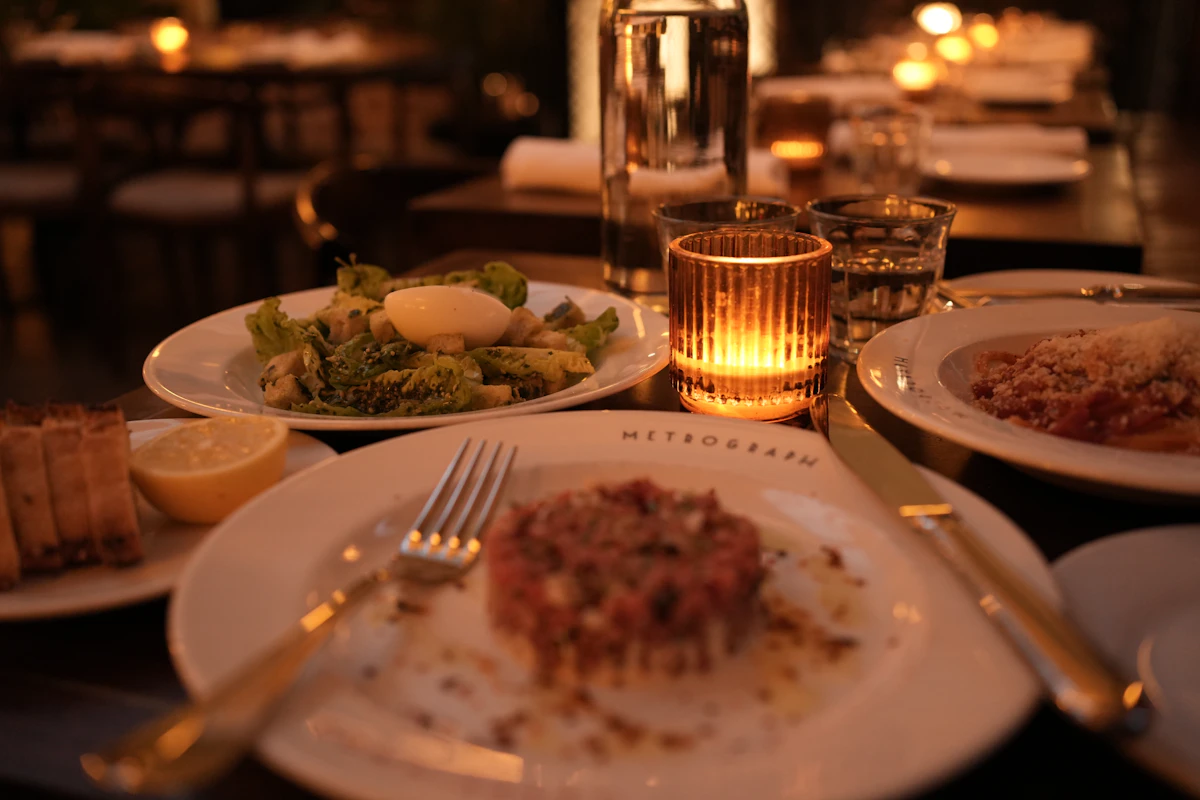
The Ultimate Prague Food Guide 2026: Czech Cuisine and Beyond
Skip the tourist traps in 2026. Discover where Prague locals actually eat, from budget lunch menus and street food to Michelin-starred Czech tasting menus.